In all sectors of modern manufacturing, from automobiles, home appliances, and electronics to aerospace, we see various metal parts with different shapes and precise functions. The creation of these parts relies on a core technology—punching die. So, what exactly are punching die?
Definition and Core Function of punching die
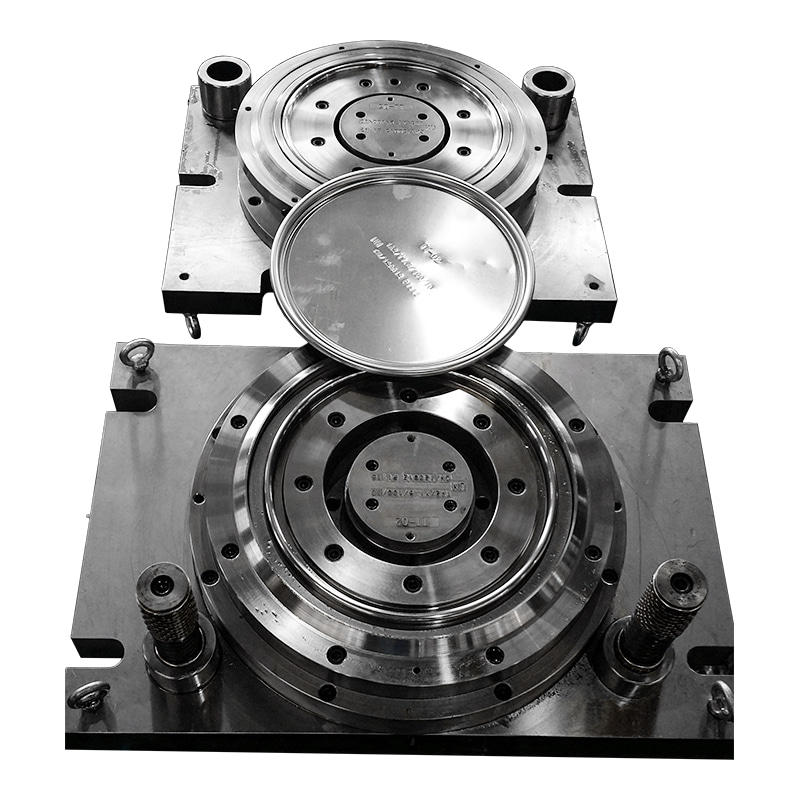
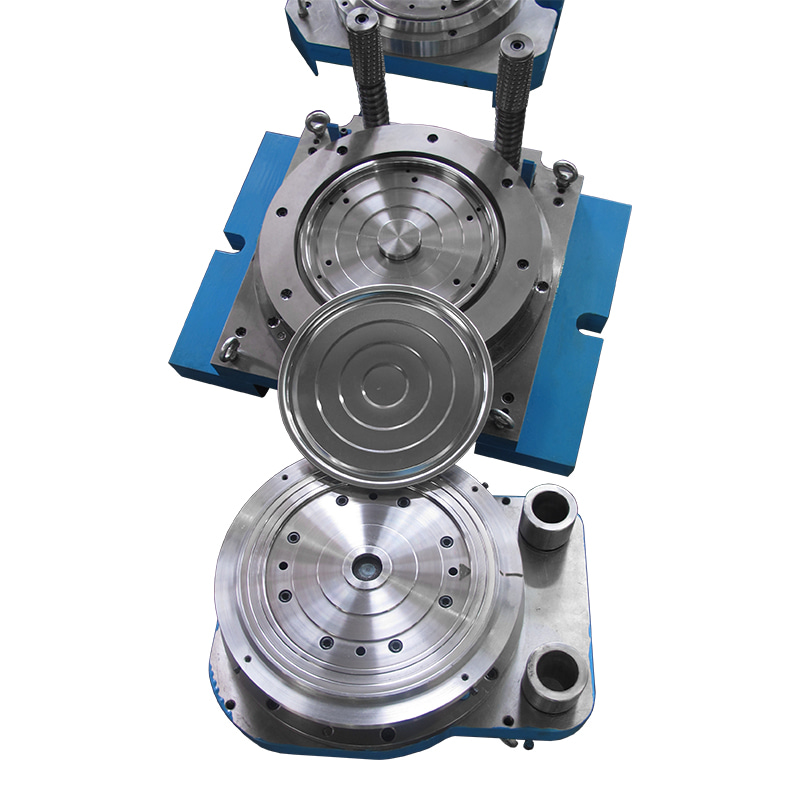
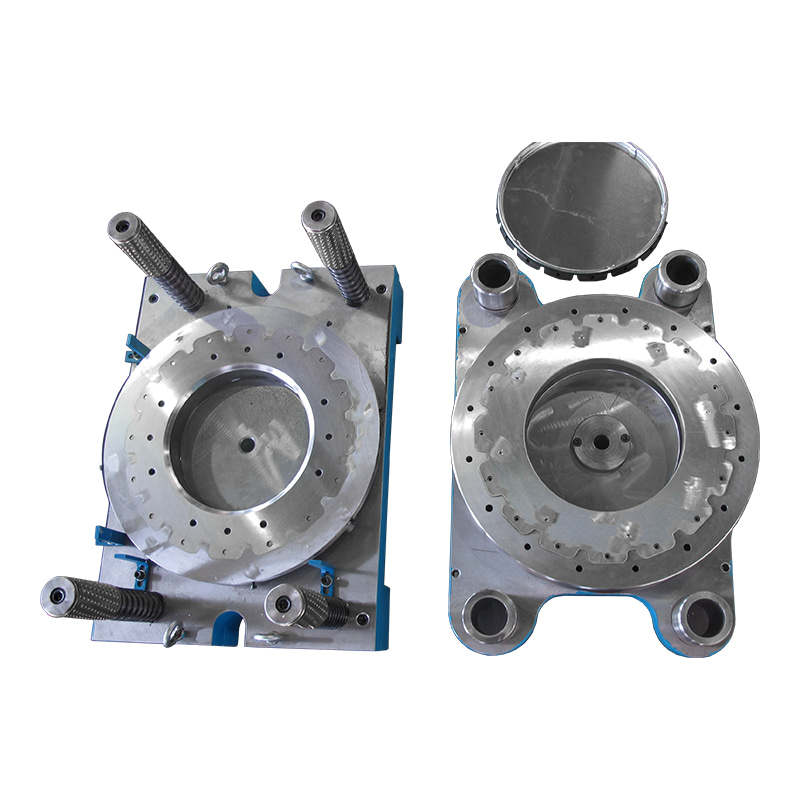
Simply put, a stamping die is a special piece of equipment that applies pressure to sheet metal in a cold state, causing it to separate or plastically deform, thereby obtaining the desired parts. It is a tool that rapidly and in batches processes sheet metal (such as steel plates, aluminum plates, etc.) into parts of specific shapes through the action of stamping machines and dies. These products produced by punching die are called stamped parts.
It holds an irreplaceable core position in the entire stamping process:
- High efficiency and mass production: The design of punching die allows one or more processes to be completed in a single stroke, greatly improving production efficiency, suitable for mass production, and significantly reducing manufacturing costs.
- Ensuring precision and consistency: The die itself has high precision, ensuring that every stamped part produced has high dimensional accuracy and excellent interchangeability.
- Forming Complex Shapes: Dies can accomplish complex metal forming tasks that are difficult to achieve with ordinary machining, such as deep drawing, bending, and punching.
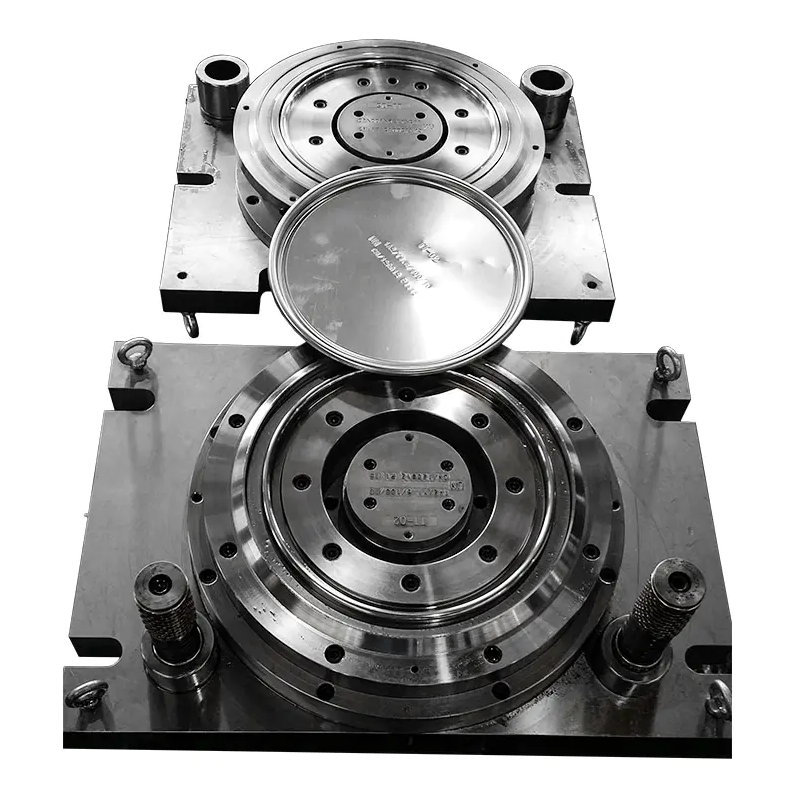
Types and Structures of punching die
Punching die come in many varieties and can be classified according to their process properties and structural characteristics:
By Process Properties:
- Blanking Dies: Primarily used for separating sheet metal, such as blanking, punching, and trimming.
- Forming Dies: Primarily used to induce plastic deformation in sheet metal without compromising its integrity, such as bending dies, drawing dies, and flanging dies.
By Die Structure:
- Single-Operation Die: Completes only one operation in one stroke.
- Compound Die: Completes multiple stamping operations simultaneously in one stroke at one station.
- Progressive Die (Continuous Die): The sheet metal moves within the die at a certain step distance, sequentially completing multiple operations at different stations. This die design is particularly suitable for automated high-speed production.
Key Elements of High-Quality punching die
A high-quality stamping die is not merely a collection of iron blocks, but a testament to technology and precision. Its quality hinges on:
- Die Material: High-strength, high-wear-resistant die steel is selected to ensure an exceptionally long service life and stability.
- Precision and Surface Treatment: Ensuring the machining accuracy of the working parts of the die and performing necessary surface treatments (such as plating and heat treatment) to reduce friction and wear.
- Reasonable Die Design: Die design must fully consider material properties, stamping equipment capabilities, and the precision requirements of the final stamped parts. A well-designed structure effectively reduces setup time and improves production stability.
Punching die are one of the cornerstones of modern industry. It is this efficient and precise metal forming technology that enables us to obtain large quantities of high-quality metal parts at a lower cost. With continuous technological advancements, future stamping processes and die designs will evolve towards higher precision, longer lifespan, and greater intelligence.


 +86 13666712509

 English
 русский
 عربى
عربى

Contact Us