In modern industrial manufacturing, efficiency, safety, and reliability are core standards for measuring production line quality. Pneumatic sealing technology plays a crucial role in this. It is not only the foundation for the smooth operation of many high-performance mechanical devices, but also the guarantee for the efficient operation of specialized equipment like pneumatic sealing machines.
What is a Pneumatic Seal?
Pneumatic sealing is a technology that uses seals or systems to prevent or limit the leakage of gas (usually compressed air) within high-pressure or low-pressure systems or between different areas.
Core Functions and Applications
Its main purposes are:
- Preventing Leakage: Ensuring that the pressure of the pneumatic system is maintained, avoiding energy loss and system performance degradation.
- Isolating Contaminants: Preventing external dust, moisture, or other contaminants from entering the pneumatic system.
- Separating Media: In some cases, used to separate different gaseous or liquid media in a pneumatic system.
The medium in pneumatic seals is usually air, which, along with hydraulic seals (using hydraulic oil), constitutes the two main branches of industrial fluid sealing.
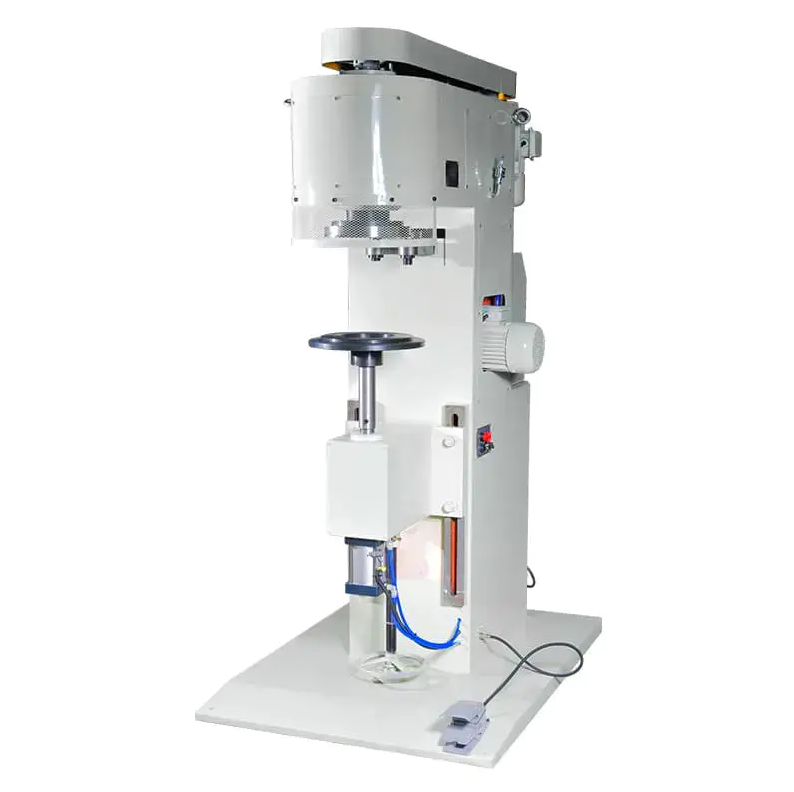
Pneumatic Sealing Machine Principles and Advantages
When we talk about pneumatic sealing machines, we are referring to specialized equipment that uses pneumatic principles (i.e., compressed air as a power source) to perform sealing operations. These machines are widely used in industries such as packaging, food processing, medical devices, and semiconductors for the final, reliable sealing of products.
Working Mechanism of Pneumatic Sealing Machines
The core of a Pneumatic Seal Machine lies in using a cylinder to convert mechanical force into uniform, continuous pressure on the sealing element.
Example: In a plastic bag sealing machine, the cylinder pushes the upper and lower heat-sealing strips to close tightly, completing the fusion seal within a set time and temperature.
Advantages of Using Pneumatic Seals
Compared to traditional manual or mechanical sealing methods, pneumatic sealing systems offer significant advantages:
- High Efficiency: Fast response time, enabling high-speed, continuous, automated operation.
- High Precision: Pressure and stroke can be precisely controlled, ensuring the quality and consistency of every seal.
- Clean and Environmentally Friendly: Powered by compressed air, it is cleaner than hydraulic systems, and maintenance costs are relatively lower.
- High Reliability: The rationally designed seals provide stable sealing performance even under harsh operating conditions.
Key Components of Pneumatic Seals
A complete pneumatic sealing system typically consists of the following core components:
| Component Names |
Functions |
Common Materials |
| Seals |
Directly contacts moving or stationary parts to achieve a sealing function. |
Nitrile butadiene rubber (NBR), fluororubber (FKM), polyurethane (PU), etc. |
| Cylinder |
Converts the energy of compressed air into mechanical motion. |
Aluminum alloys, stainless steel |
| Valves |
Controls the direction, flow rate, and pressure of the gas. |
Metals, engineering plastics |
| Air Preparation Unit |
Filters, regulates, and lubricates compressed air to ensure system cleanliness. |
Various metals and polymer materials |
Pneumatic Seal Machine: An Industrial Booster
With the development of industrial automation and intelligent manufacturing, the demand for high-precision, high-reliability sealing technology is increasing. Professional Pneumatic Seal Machine solutions continuously integrate advanced sensors and control systems, enabling real-time monitoring of key parameters such as sealing pressure and temperature to ensure product quality meets the highest standards.
Whether it's vacuum pneumatic seal machines in the packaging industry or high-precision sealing equipment in electronic component manufacturing, pneumatic sealing technology—especially the Pneumatic Seal Machine—is a key support for achieving lean production and enhancing product market competitiveness.


 +86 13666712509

 English
 русский
 عربى
عربى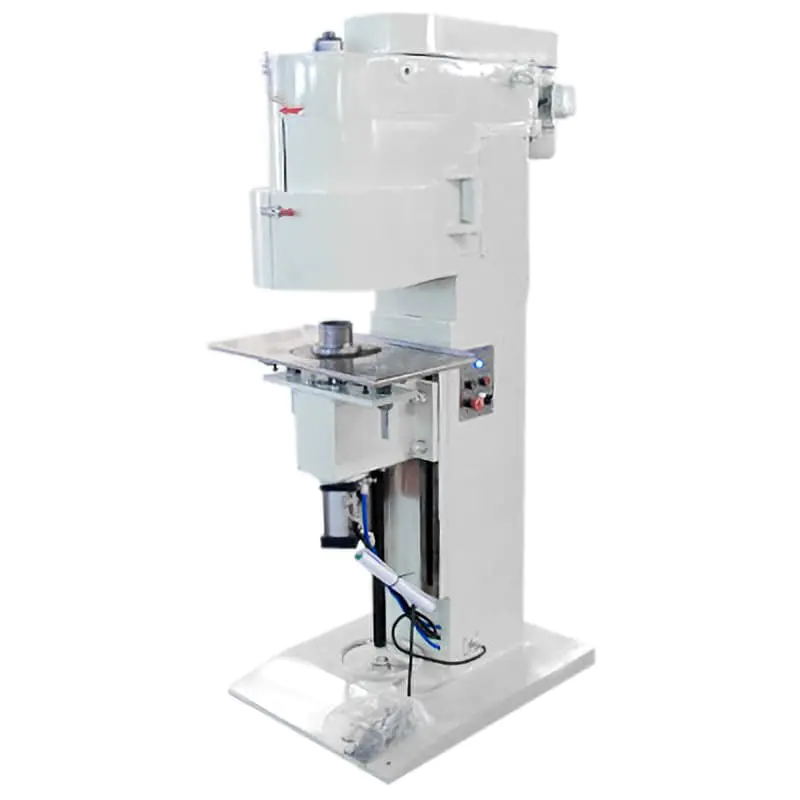

Contact Us