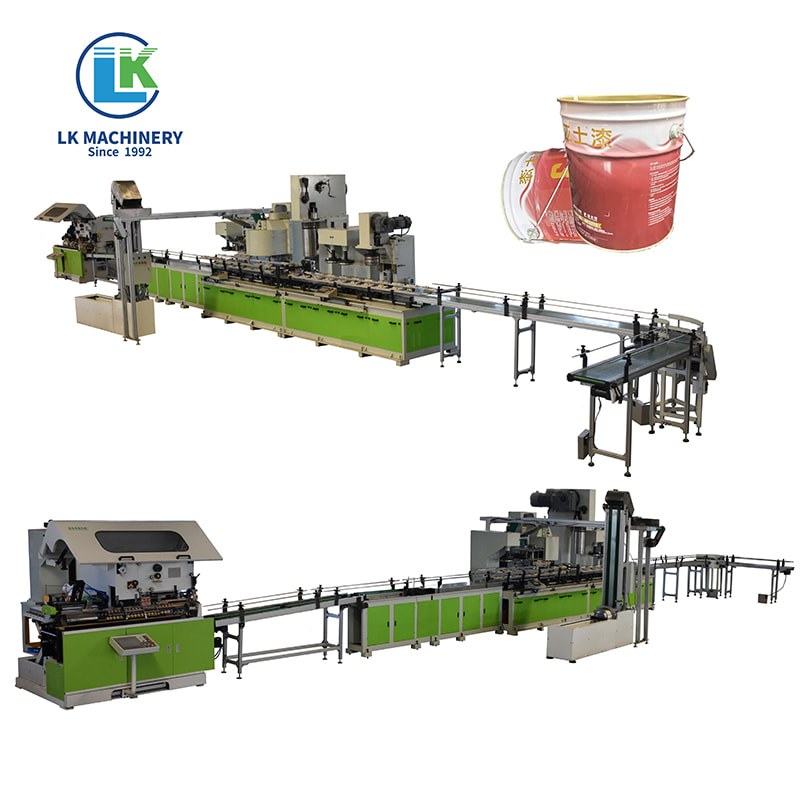
In modern industrial manufacturing, a round can production line plays a vital role. It's more than just a combination of equipment for producing cylindrical containers; it also ensures efficient, scalable, and standardized manufacturing.
What is a round can production line?
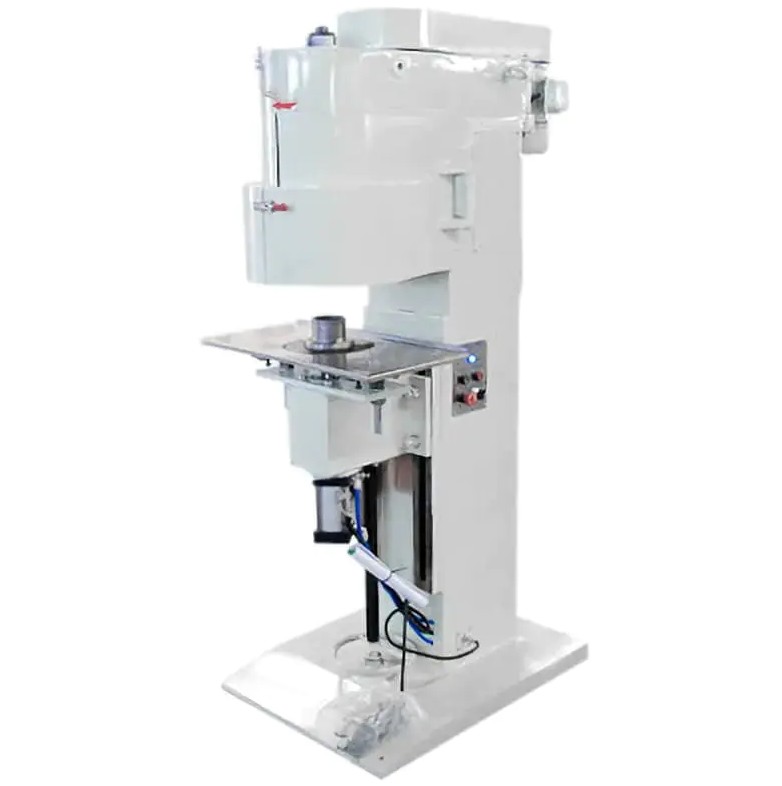
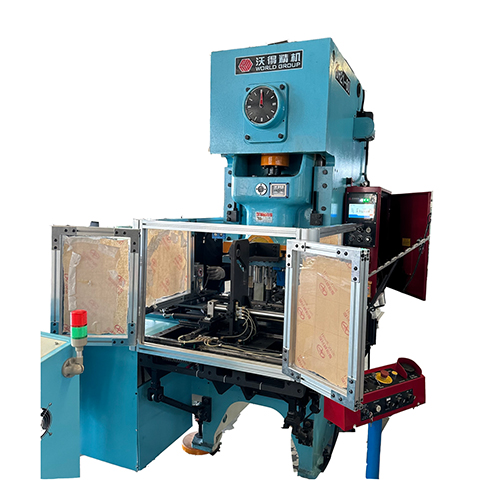
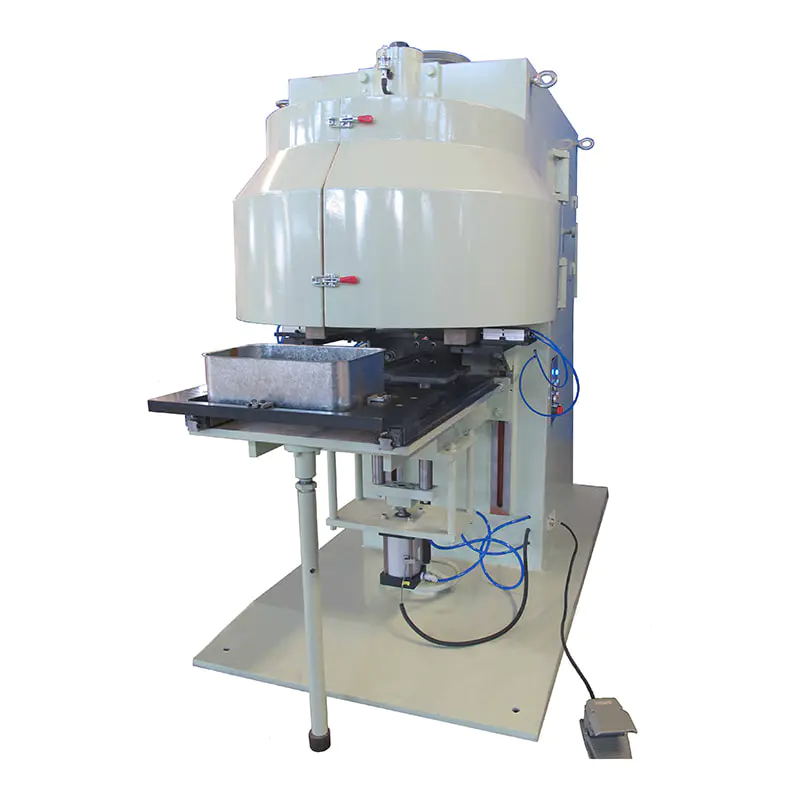
A round can production line, commonly referred to as a canning line, is an automated or semi-automated mechanical system used to process, shape, join, and ultimately manufacture thin metal sheets (such as tinplate and aluminum) into round cans of specific sizes and specifications. This involves a complex series of processes, from cutting the raw material to rolling, welding (or clinching), gluing, drying, flanging, and bottom sealing.
The Main Roles and Value of a Round Can Production Line
The role of a round can production line can be understood from the following key perspectives:
1. Achieving High Efficiency and Large-Scale Production
This is the most direct value of a round can production line. Through a high degree of automation, the line enables continuous, uninterrupted operation, significantly improving canning efficiency and production capacity. A modern canning line can produce thousands of round cans in a very short time, meeting the market's enormous demand for packaging containers. This large-scale production effectively reduces canning costs, making products more competitive.
2. Guaranteed Product Quality and Consistency
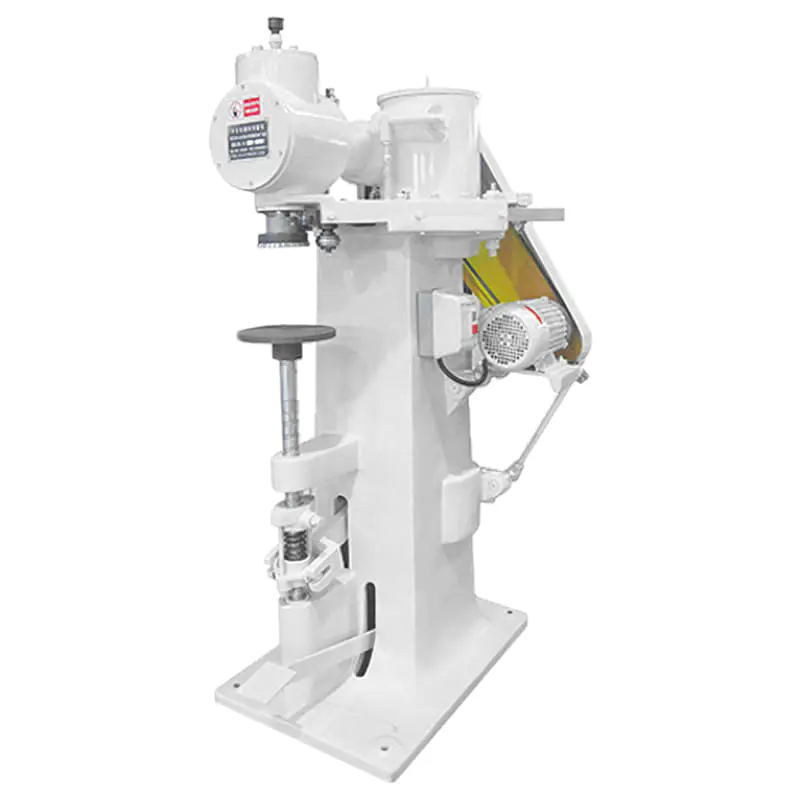
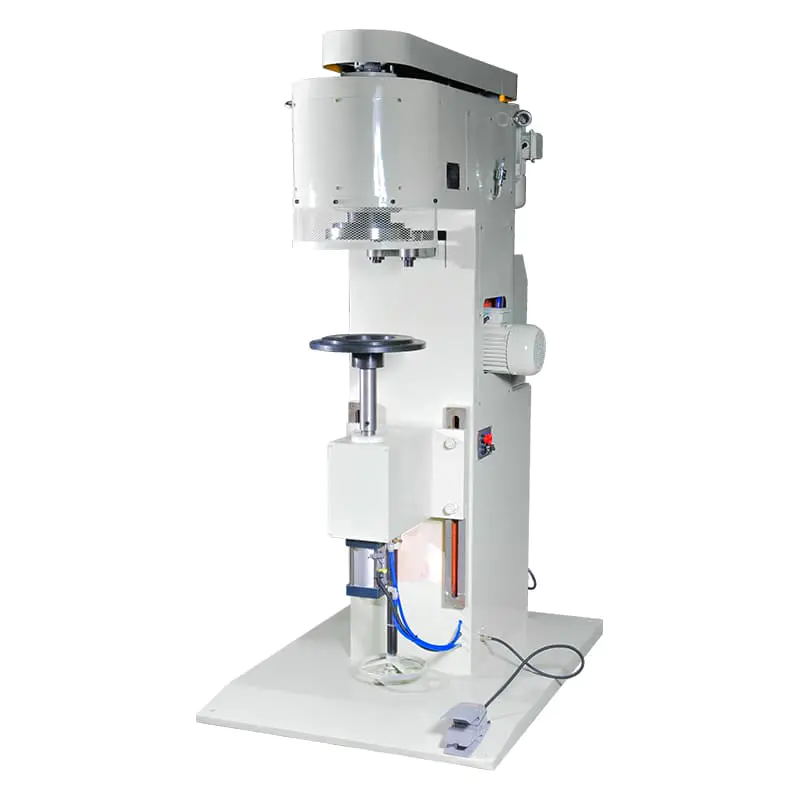
The round can production line utilizes precision machinery and control systems to ensure that each metal can is highly consistent in size, shape, and seal. In the food and beverage industry, the sealability of packaging containers is crucial. The can seamer and inspection system on the production line accurately seal and inspect the cans, effectively preventing leaks and ensuring the freshness and shelf life of the contents.
3. Improved Packaging Safety and Durability
As a packaging container, the primary function of a round can is to protect its contents. The high-quality metal materials and advanced welding technology used in the production line give the round cans excellent pressure resistance, corrosion resistance, and sealing properties. These are crucial for storing and transporting liquids, perishable foods, or chemicals.
4. Adapting to Diverse Market Demands
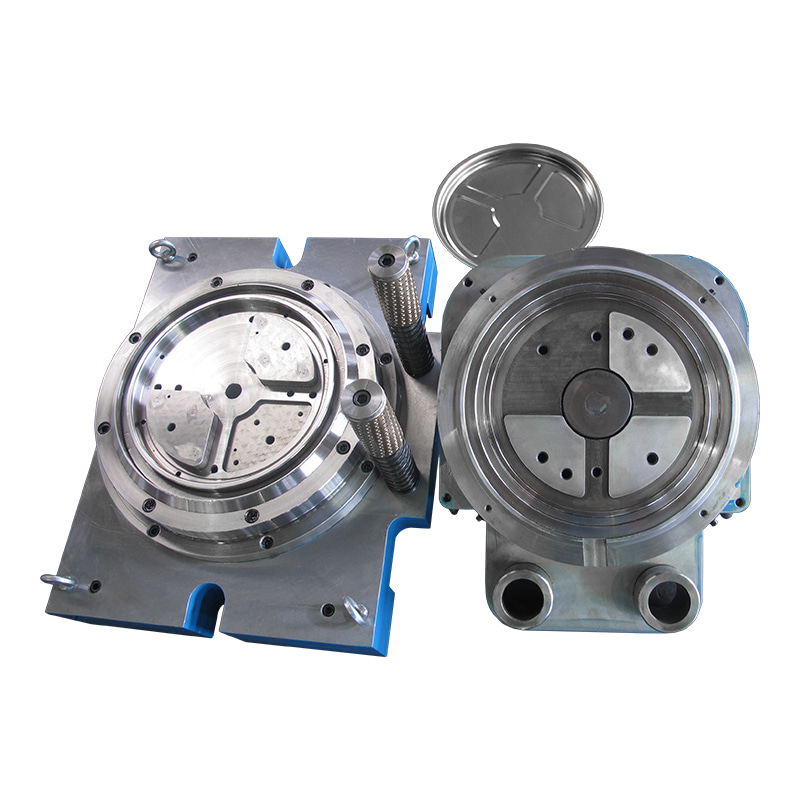
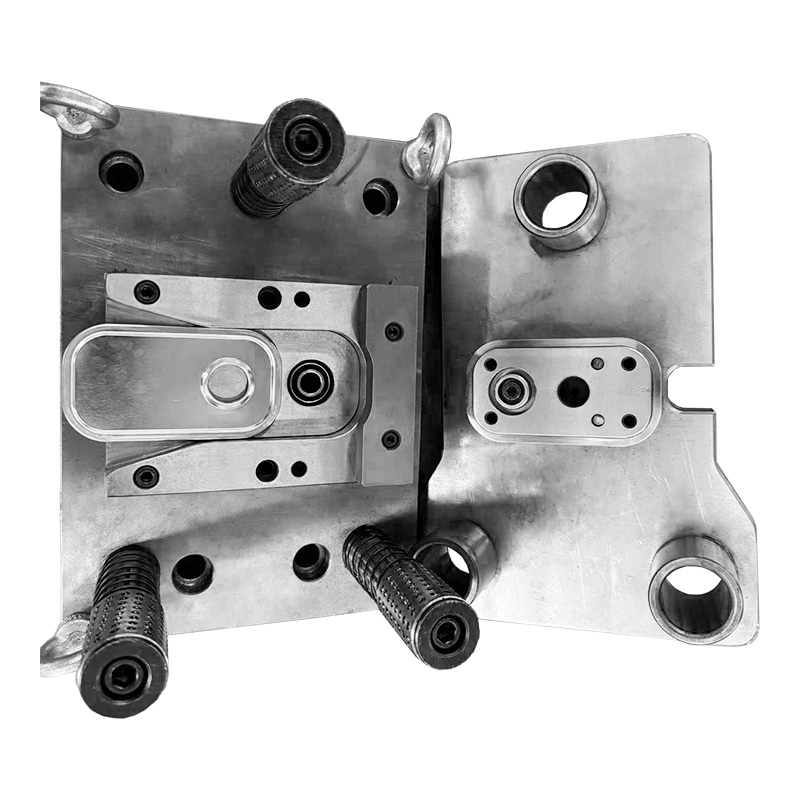
Modern can production lines offer high flexibility. Through simple mold changes and program adjustments, a single line can produce round cans of varying diameters, heights, and capacities to meet diverse packaging needs. Whether it's a compact beverage can, a large-capacity food can, or a specialized chemical tank, the round can production line can quickly switch production lines.
5. Reduced Labor Costs and Improved Safety
Automated production reduces reliance on large numbers of workers, thereby reducing labor costs and the risk of operational errors. Furthermore, machines replace human labor in high-risk areas, significantly improving production safety.
The role of a round can production line goes far beyond the equipment itself; it serves as a bridge connecting raw materials with the end market. Through its highly efficient, precise, and reliable automated canning process, it provides stable, safe, and economical cylindrical containers for a wide range of industries.


 +86 13666712509

 English
 русский
 عربى
عربى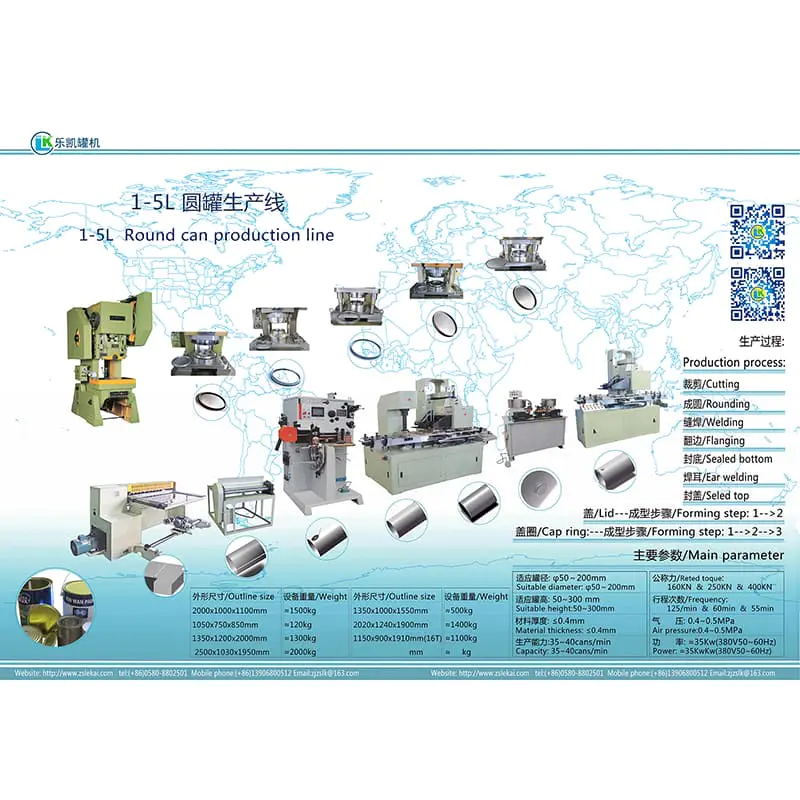



Contact Us