What is a 1-5L square can production line?
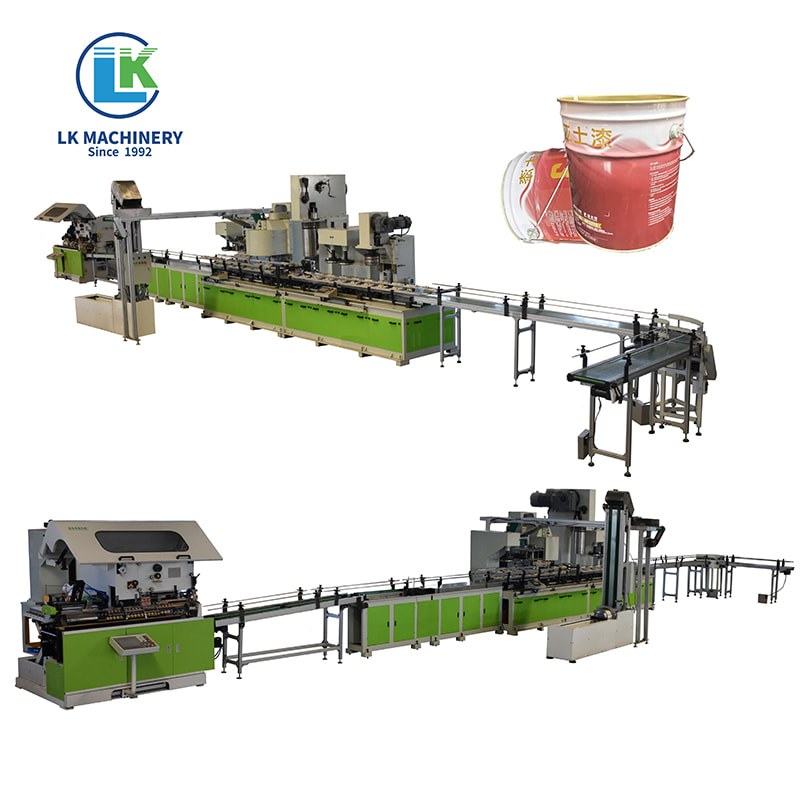
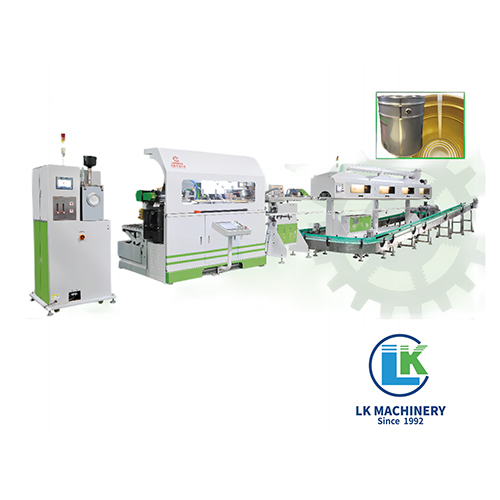
A 1-5L Square Can Production Line is a synchronized sequence of automated machinery designed to transform flat tinplate sheets into rectangular metal containers used for engine oil, chemical solvents, and coatings. A standard high-performance line typically consists of a CNC slitter, an automatic wire seam welder, a nitrogen cooling system, a vertical/horizontal expansion machine (squaring), and a double-seamer.
Why is investing in a modern square can line important?
Investing in modern automation directly impacts your bottom line through leakage prevention and material savings. According to industry benchmarks, high-precision squaring and seaming can reduce the reject rate from 3% (on manual/older lines) to less than 0.5%. In a high-volume facility, reducing metal waste by just 1% can save upwards of $50,000 annually based on current LME tinplate price trends. Furthermore, moving from semi-auto to full-auto reduces labor requirements from 8-10 workers down to 2, drastically lowering the "cost per can."
When should a factory upgrade to an automated line?
You should transition to a fully automated 1-5L Square Can Production Line when your monthly output exceeds 150,000 units or when your current waste rate exceeds 2%. Manual lines often struggle with the "four-corner stress" of square cans, leading to micro-leaks. If you are aiming to supply Tier-1 lubricant brands (like Shell or Mobil), they typically require suppliers to use lines equipped with Automatic Leak Testers and Induction Curing to ensure 100% seal integrity and food/chemical safety compliance.
How does the square can manufacturing process work?
The process follows a precise mechanical path to ensure the structural integrity of the corners:
Body Forming
The tinplate is rolled and welded. We utilize Solid State High-Frequency Welding which ensures the seam is strong enough to withstand the subsequent "squaring" force.
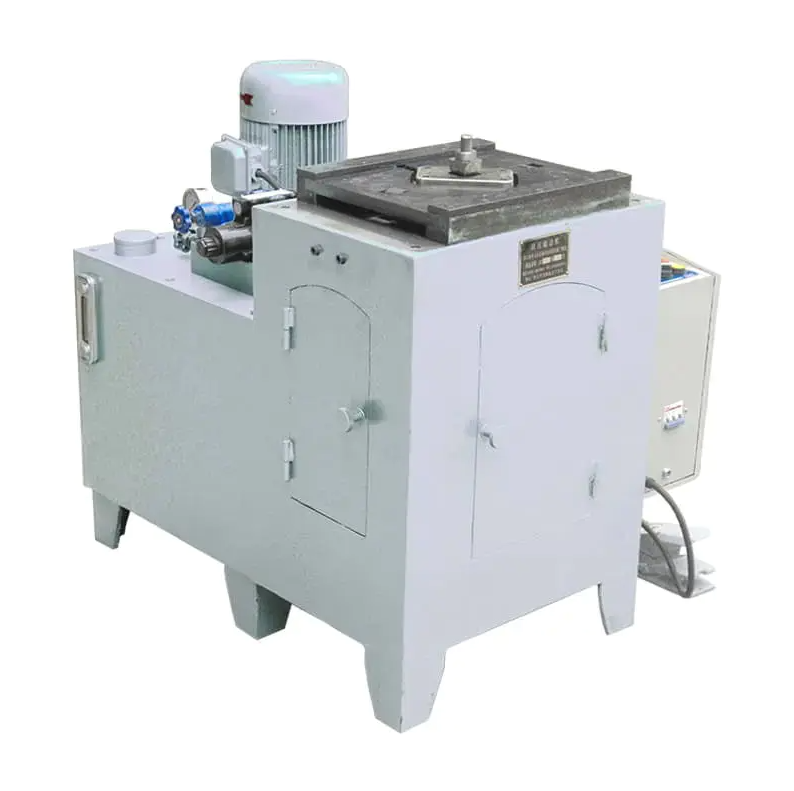
Expansion & Squaring
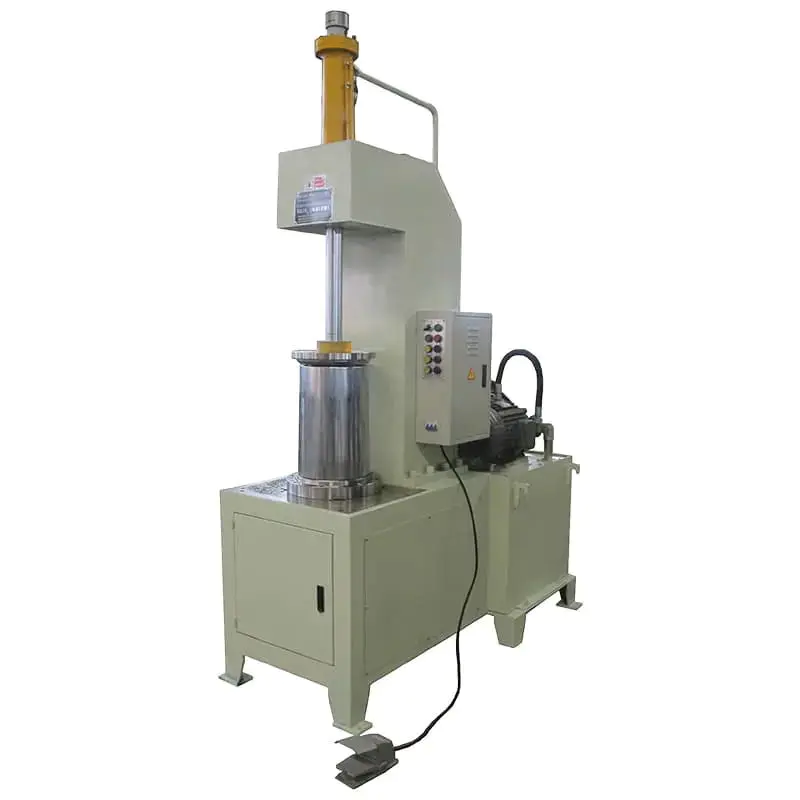
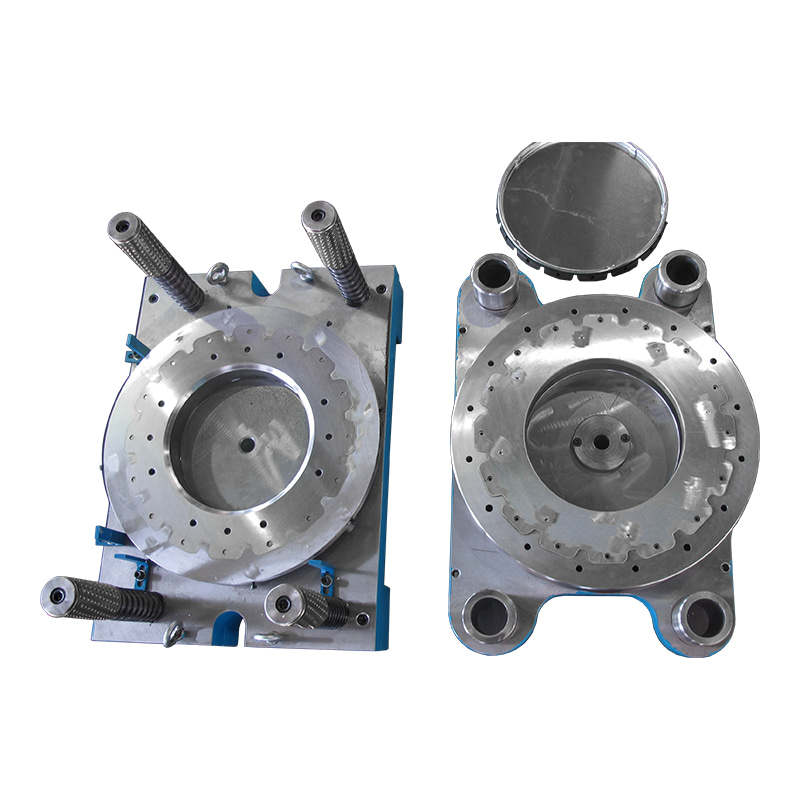
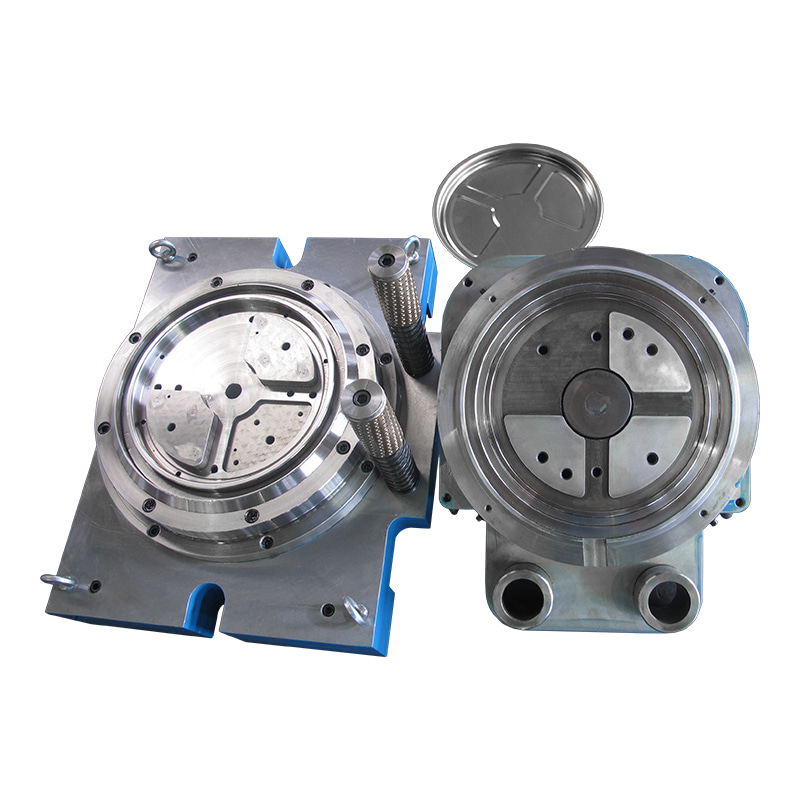
The round cylinder is placed over a hydraulic or mechanical expansion die. This is the most critical stage; the machine must apply even pressure to prevent the tinplate from cracking at the 90-degree corners.
Bottom & Top Seaming
Using a cam-driven double seamer, the ends are joined to the body. A "five-layer fold" is standard for 5L cans to ensure they survive drop tests.
Testing
Every can passes through an air-pressure leak tester. High-end systems can detect pressure drops as small as 0.05 bar.
Key Trade-off: The "Cost of Variety" vs. "Economy of Scale"
The High-Speed Advantage
Dedicated lines leverage Economies of Scale. By minimizing mechanical complexity, these lines achieve higher reliability at maximum velocity. However, they risk becoming "stranded assets" if the market moves away from that specific container size.
The Flexibility Advantage
Flexible lines provide Resilience. According to industry research on Software-Defined Manufacturing, decoupling hardware from software allows plants to respond dynamically to customer demands. This reduces "Time-to-Market" for new products but often comes at the cost of a lower peak production speed.
The Quality Link
While it is a common myth that speed kills quality, modern Speed-Quality models suggest that focusing on high-precision automation (Flexibility) actually improves long-term quality consistency compared to older, rigid high-speed lines.
How do I avoid "hidden traps" when buying a production line?
To ensure long-term ROI and avoid common industry pitfalls, look for these three specific credibility signals:
PLC and Servo Brand
Ensure the system uses globally recognized components. This ensures you can source replacement parts locally without waiting weeks for international shipping.
Welding Frequency
Standard welders run at 20-30Hz; high-end lines run at 100Hz+. Higher frequency creates a smoother, more flexible weld seam that won't split during the squaring process.
Material of the Seaming Rollers
Demand Tungsten Carbide or high-grade Cr12MoV steel. Soft rollers wear down within 3 months, leading to "leakers" that you won't detect until the cans are on the customer's shelf.
Choosing the right 1-5L Square Can Production Line is not only a matter of speed and price, but a strategic decision that determines your long-term competitiveness, quality reputation, and return on investment.


 +86 13666712509

 English
 русский
 عربى
عربى


Contact Us