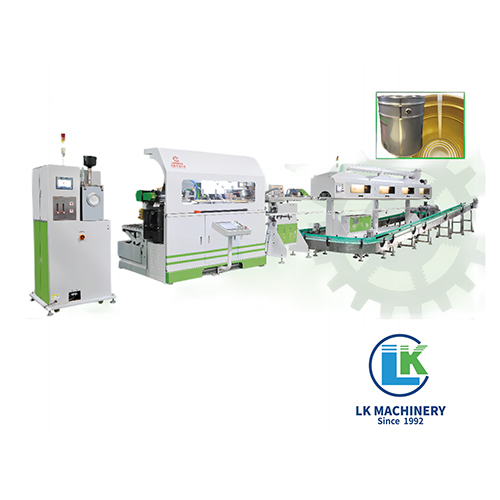
In today's metal packaging industry moving towards Industry 4.0, the level of automation in can cap production lines has become a crucial indicator of a manufacturer's core competitiveness. For food, beverage, and chemical packaging companies, a highly efficient, low-manpower-dependent system not only means cost reduction but also serves as the cornerstone of stable product quality.
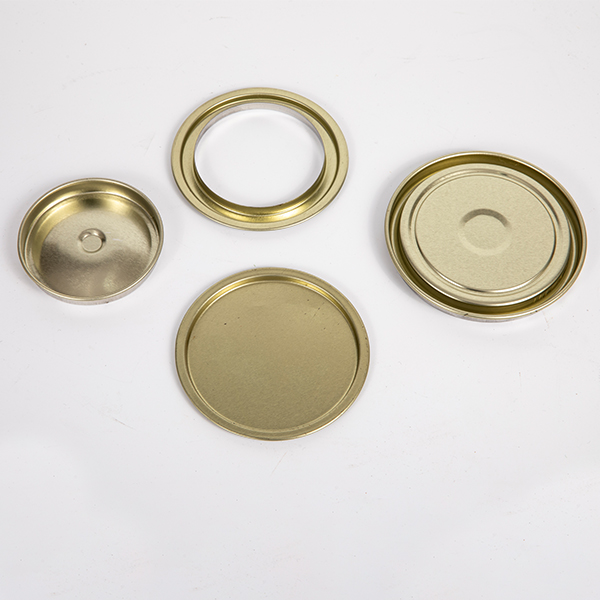
1. Efficient Automated Raw Material Feeding and Shearing
Automation begins with material handling. Advanced can lid production lines are equipped with high-precision automatic feeders and uncoiling and leveling systems. Whether it's tinplate or aluminum alloy coils, the equipment can achieve automatic positioning and precise shearing. Through linkage with the front-end feeding system, the risk of scratches caused by manual handling is reduced, ensuring the dimensional consistency of each blank.
2. Multi-Station Precision Stamping and Forming Process
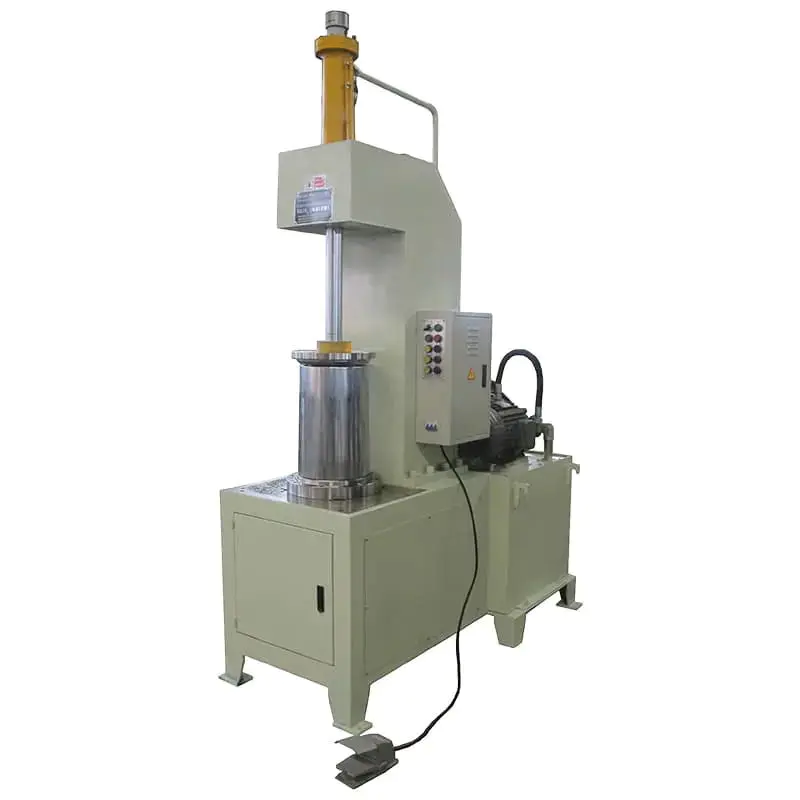
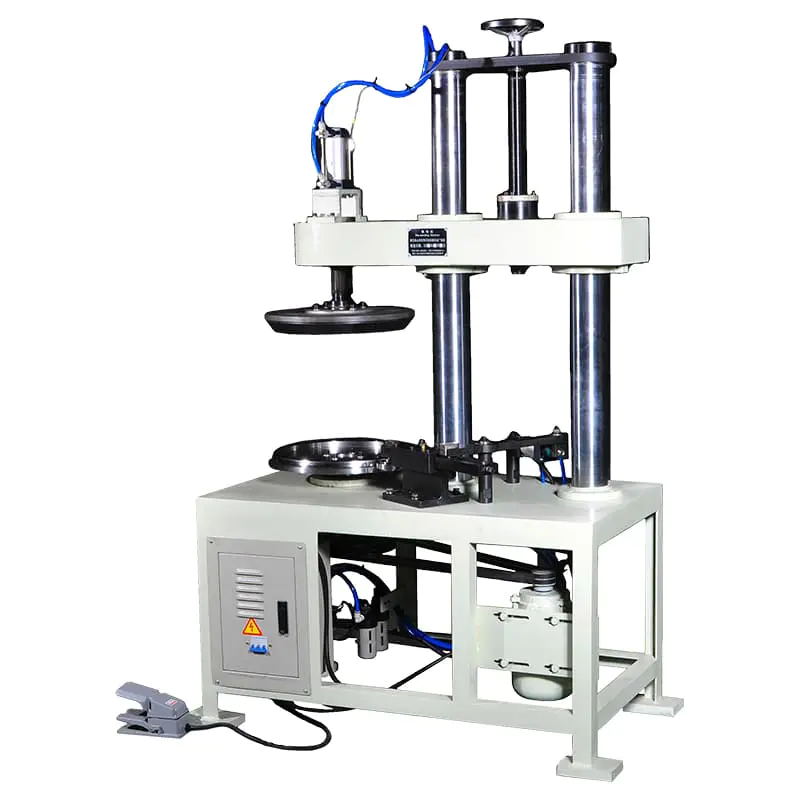
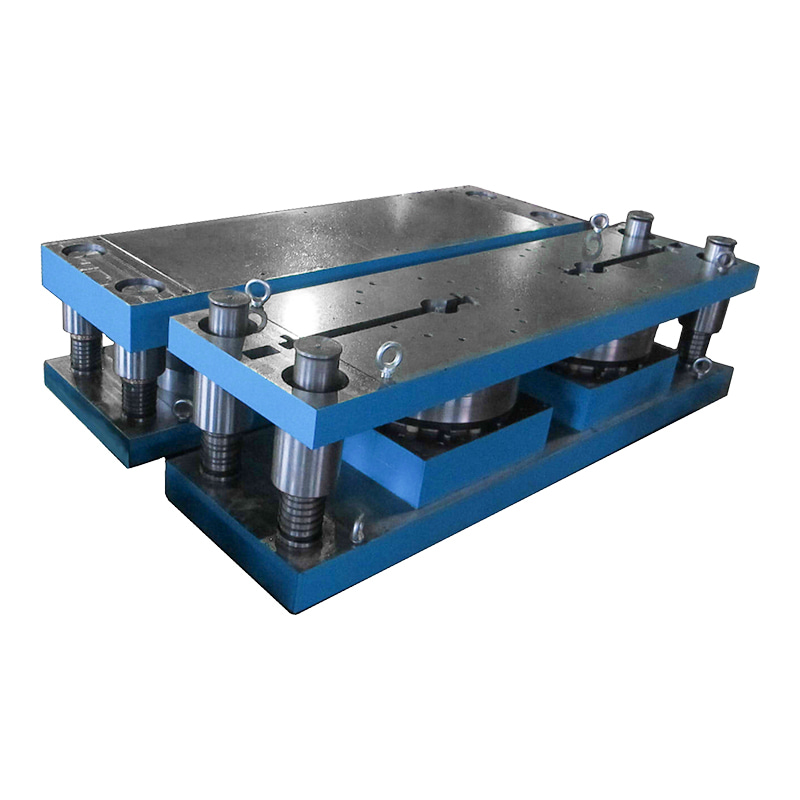
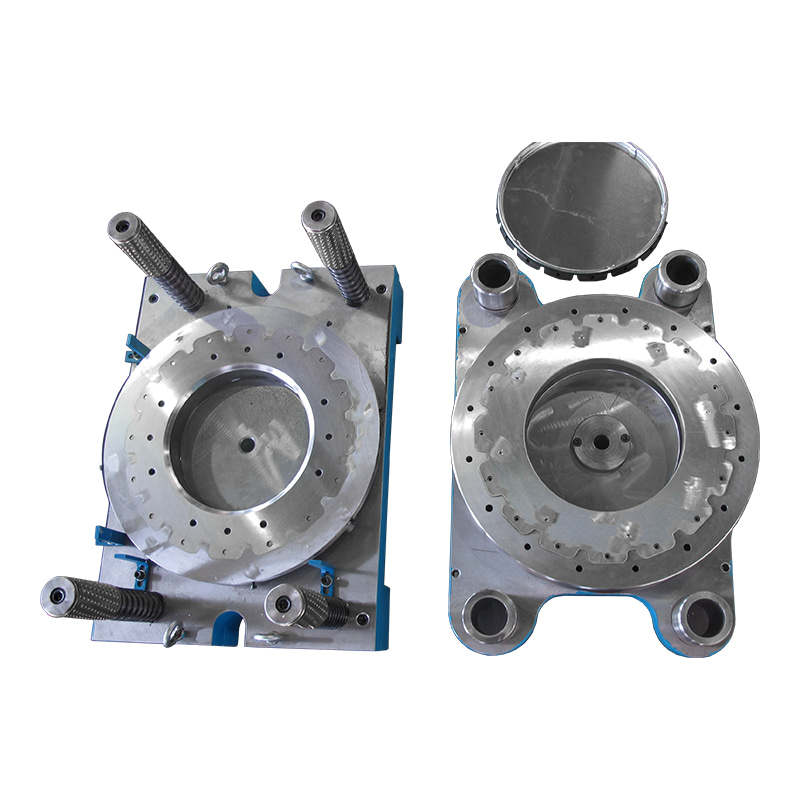
Stamping is the heart of the entire can cap production line. Fully automated production lines typically integrate multi-station precision molds, completing complex processes such as blanking, stretching, and edge rolling in one go using an automatic press while operating at high speed. Keywords: high-speed press, precision mold, forming accuracy. This highly integrated design enables production speeds of hundreds or even thousands of pieces per minute with minimal dimensional deviations.
3. Intelligent Glue Injection and Fully Automated Drying System
Automated glue injection is crucial for ensuring the sealing performance of can lids. The can lid production line uses a servo control system to precisely control the glue injection amount, ensuring the glue film is evenly distributed within the tank. The subsequent drying process employs an automatically temperature-controlled drying oven or induction drying technology, adjusting heat output in real time according to the production line speed to achieve optimal energy allocation, which is key to ensuring sealing quality in metal lid manufacturing.
4. Visual Recognition: Online AI Inspection and Rejection
The essence of full automation lies not only in "product production" but also in "monitoring." Leading can cap production line manufacturers embed high-energy visual inspection systems into their production lines. High-speed cameras capture 360-degree images of each finished product, identifying scratches, glue residue, deformation, or printing defects in real time. Once a defective product is detected, a pneumatic rejection device instantly blows it off the track, ensuring that every can lid delivered to the customer is a qualified product.
5. Automated Collection, Palletizing, and Packaging
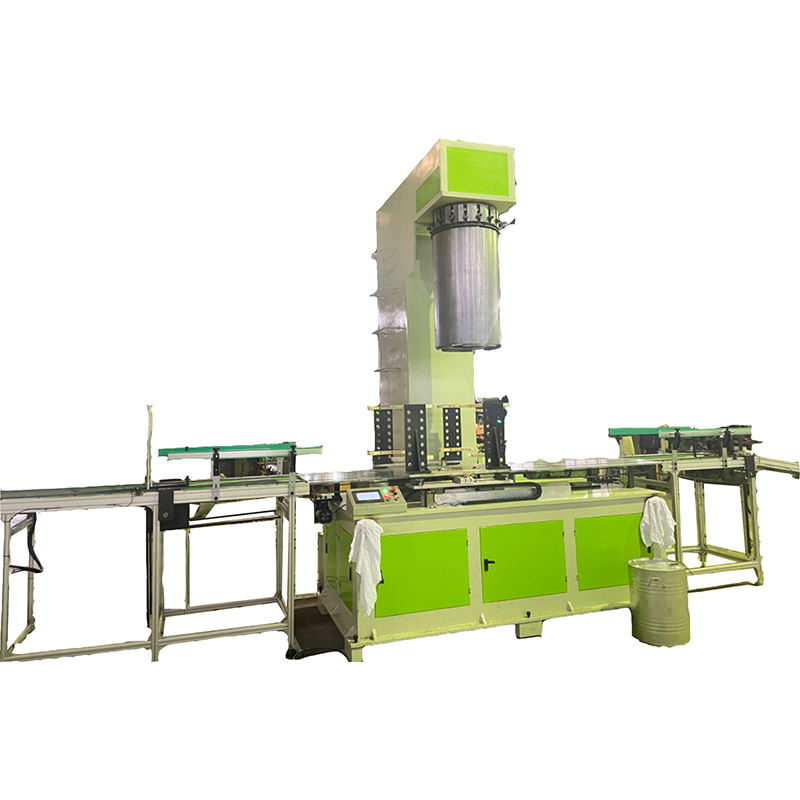
At the end of the production line, automation is reflected in the logistics process. An automated counting and collection system arranges finished products in an orderly manner, and robotic arms automatically palletize them. This "lights-out factory" model, from roll material input to finished product packaging, significantly reduces the frequency of human contact with products, meeting the hygiene standards of the pharmaceutical and food industries.
Fully automated can cap production lines are not simply about machines replacing manual labor, but rather a closed-loop production process achieved through precision molds, sensors, and control algorithms. For can manufacturers pursuing high efficiency and high quality, investing in a highly integrated automated production line is a crucial step in achieving business transformation and upgrading.
As a professional can cap production line manufacturer, we are committed to providing you with customized metal packaging solutions. If you would like to learn more about the technical details of automated stamping equipment, glue injection processes, or overall line capacity optimization, please contact our technical team.


 +86 13666712509

 English
 русский
 عربى
عربى


Contact Us