Automated equipment in Can Lid Production Line uses a variety of technologies to reduce waste and improve production continuity, including the following:
Precision Control and Automated Cutting: Automated equipment utilizes high-precision cutting systems, such as mechanical feeders and CNC punching machines, to precisely control the material cutting path, reducing material waste. For example, CNC punching machines use solenoid valves to control pneumatic mechanisms to remove waste, ensuring that waste is effectively removed during the cutting process.
Intelligent Nesting and Optimized Layout: Automated production lines utilize intelligent nesting systems to optimize material usage based on the size and shape of can lids, reducing scrap. This system automatically adjusts the material cutting method to accommodate the production needs of different can lid specifications.
Waste Recovery and Reuse: Some automated equipment is equipped with waste recovery devices that can sort and recycle waste generated during production, reducing resource waste. For example, some equipment uses vacuum suction cups to transport material to the punching table, where post-punching waste is automatically collected and processed.
Continuous Production Process: Automated production lines utilize a continuous design to ensure seamless integration between processes, reducing waste caused by waiting or downtime between processes. For example, the various processes in a can lid production line (such as cutting, forming, gluing, and drying) are coordinated through automated control systems, enabling high-speed, continuous production.
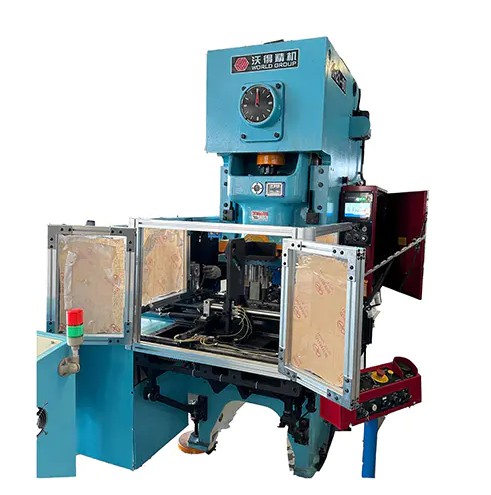
Fault Prediction and Maintenance: Automated equipment is often equipped with predictive maintenance systems that monitor equipment status in real time to proactively detect and repair potential faults, avoiding production interruptions and increased waste caused by equipment failures. For example, the use of PLC control and variable frequency drive technology enables equipment to automatically adjust operating parameters before a fault occurs, minimizing downtime.
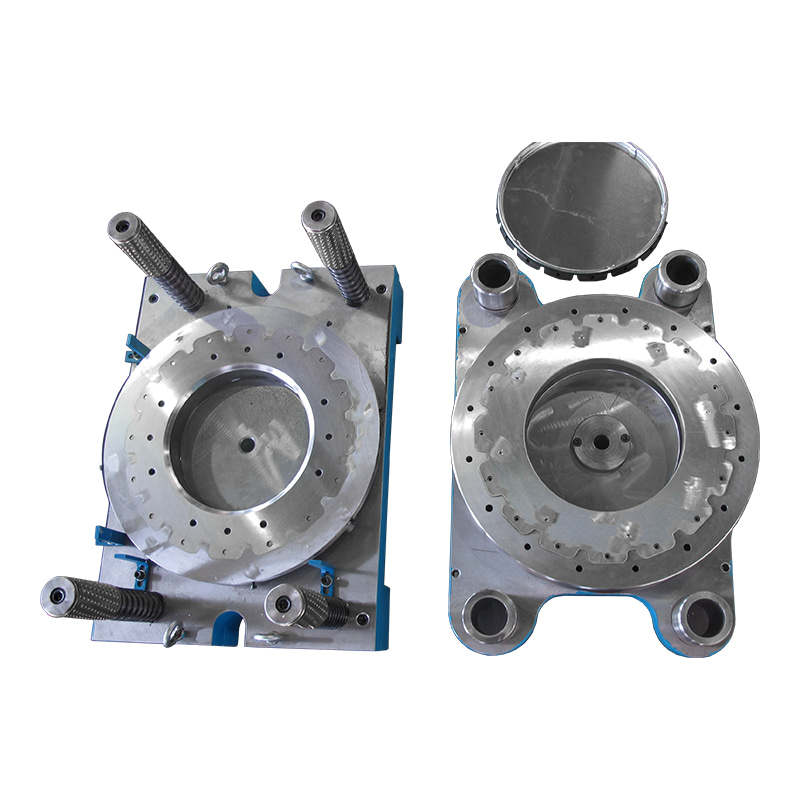
Modular Design and Rapid Changeover: Automated production lines utilize a modular design to facilitate rapid mold changes and parameter adjustments based on product requirements, thereby reducing waste generated by frequent equipment changes. For example, modular machines utilize rapid mold changes to improve productivity and product quality while reducing waste.
Automated Inspection and Quality Control: Automated equipment uses online inspection systems to monitor the quality of can lids in real time, ensuring that only qualified products enter subsequent processes and minimizing waste caused by defective products. For example, intelligent visual inspection systems can verify seal integrity in real time with an accuracy rate of up to 99.97%.
Through these technologies, automated equipment in can cap production lines not only reduces waste but also significantly improves production continuity and efficiency, providing strong support for the company's sustainable development.
What should you pay attention to when using a can cap production line?
When using a can cap production line, you should pay attention to the following key issues to ensure production safety, quality, and efficiency:
Equipment Operation and Maintenance: Operators must receive professional training and be familiar with the production line's operating procedures and safety regulations to avoid accidents caused by improper operation. Furthermore, equipment should be regularly maintained and inspected to ensure it is in good condition. During maintenance, the power should be turned off and warning signs should be displayed to prevent injuries from accidental activation.
Chemical Safety: Chemicals used on the production line should be strictly managed, clearly labeled, and properly stored. Operators should understand the properties of chemicals and master emergency response procedures. Pipes, valves, and other joints should be regularly inspected to prevent leaks.
Electrical Safety: Electrical equipment and wiring should be regularly inspected to ensure proper insulation and free of exposed or deteriorating components. Ensure that equipment is properly grounded to prevent electric shock accidents caused by leakage. Unauthorized wiring is strictly prohibited in the production area to prevent fires and other safety hazards.
Environmental and Safety Facilities: Keep the production area clean, dry, dust-free, and free from strong electromagnetic interference to ensure stable equipment operation. Install necessary safety features, such as emergency stop buttons, protective covers, and alarms, to ensure swift action in emergency situations.
Personnel Safety: Operators must wear protective gear, such as hard hats, safety glasses, and protective clothing, to ensure personal safety. They must master emergency procedures, such as first aid for electric shock and fire fighting, to ensure swift and effective action in emergency situations.
Compliance with Procedures: Operators must strictly adhere to production processes and operating procedures and must not modify equipment parameters without authorization. Regularly inspect key components on the production line, such as liquid level sensors and temperature sensors, to ensure accurate measurements.
Records and Handovers: Maintain production records and equipment handover inspections to ensure continuity and stability of the production line.
Sealing Quality: The sealing of canned goods depends primarily on the vacuum level within the can, not the tightness of the lid. Over-sealing can lead to problems such as claw deformation, rust, and air leakage. Appropriate torque should be applied during capping to ensure a secure seal and easy opening.
Material Selection: Easy-open lids or caps should be made of high-quality materials, exhibiting both tensile strength and flexibility. Dimensions (primarily the hook outer diameter D1, hook height H, and countersunk head C) must also meet standard requirements.
Common Problems and Solutions: Common problems in can lid production include easy-open lid failure, slag on the lid surface, feathering on pull-tab lids, bubbles and partial breakage in the easy-open lid sealing adhesive, and damage (or cracking) of the lid surface caused by aluminum chips from sheet lids. These issues require appropriate solutions, such as mold adjustment and optimized injection molding processes.


 +86 13666712509

 English
 русский
 عربى
عربى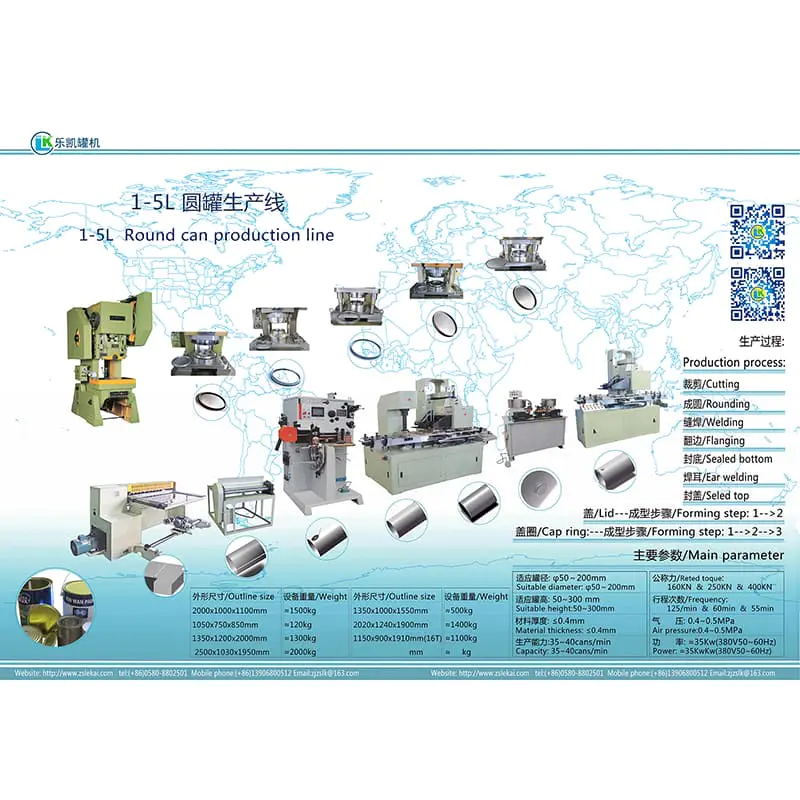



Contact Us