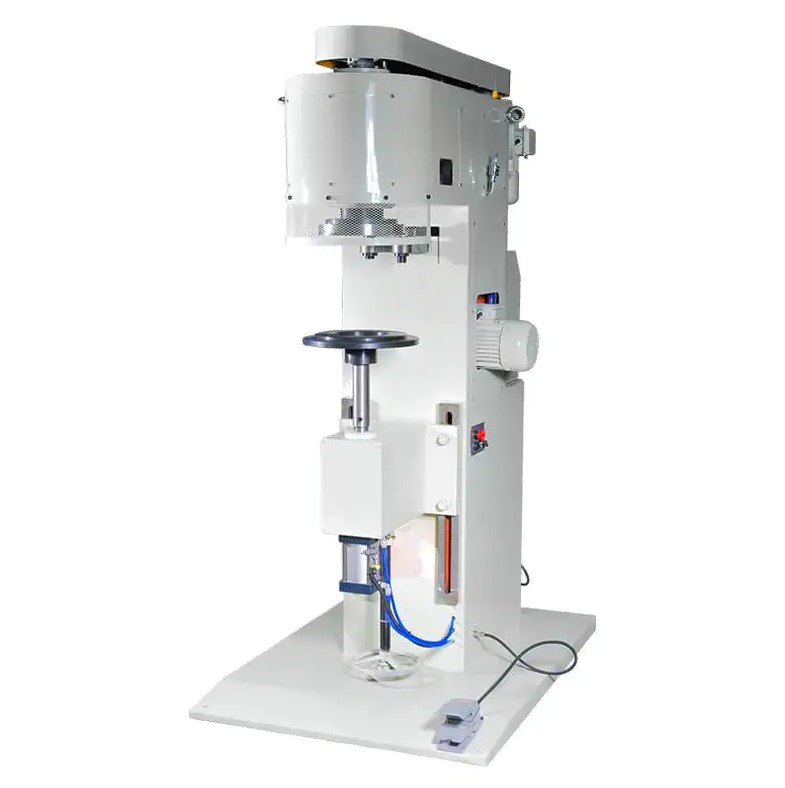
Pneumatic Sealing Machines involve air pressure and mechanical motion during operation. Improper use can cause personal injury or equipment damage. To ensure safety, operators must strictly adhere to the following safety precautions:
1. Pre-operation Safety Inspection
Check the air source: Ensure that the air pressure in the pneumatic system meets the equipment requirements (typically 0.4-0.8 MPa). Avoid excessively high or low air pressure, which can lead to poor sealing or equipment damage.
Check the air hose connections: Verify that the air hose is free of damage or leaks, and that the joints are tight to prevent accidents caused by unstable air pressure or the air hose falling off.
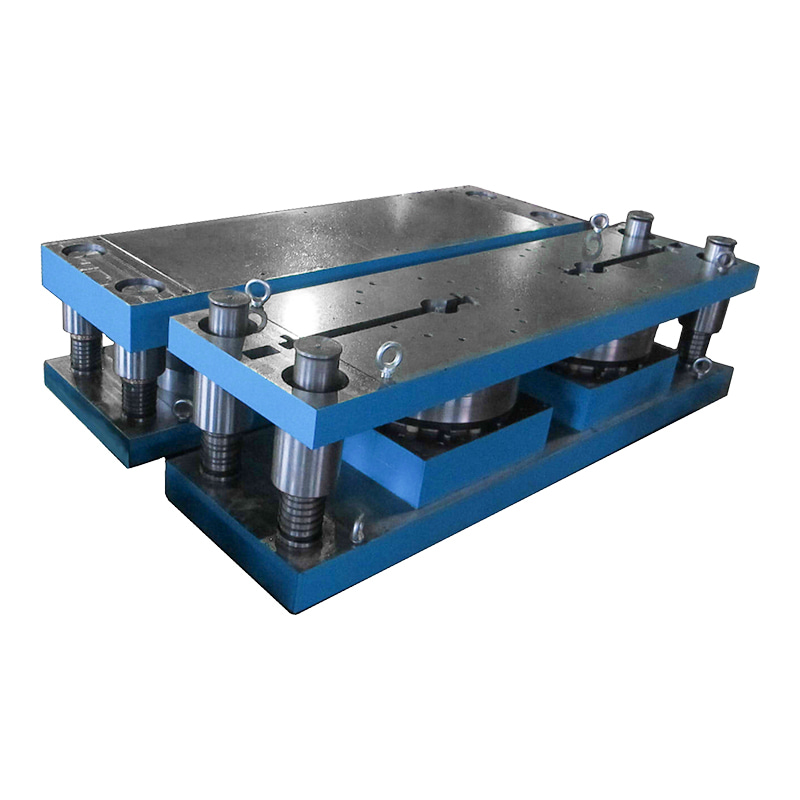
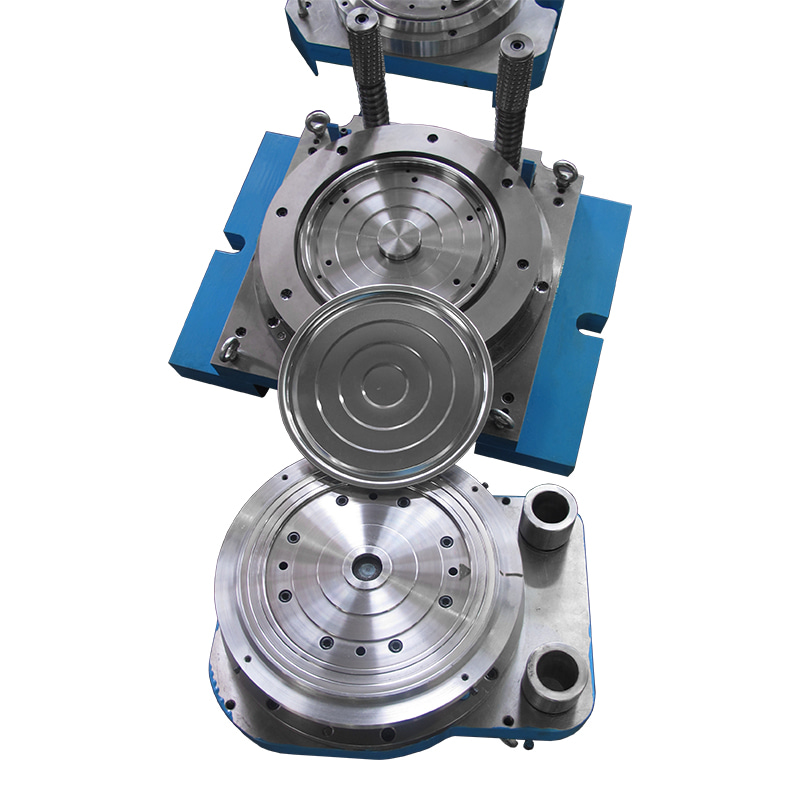
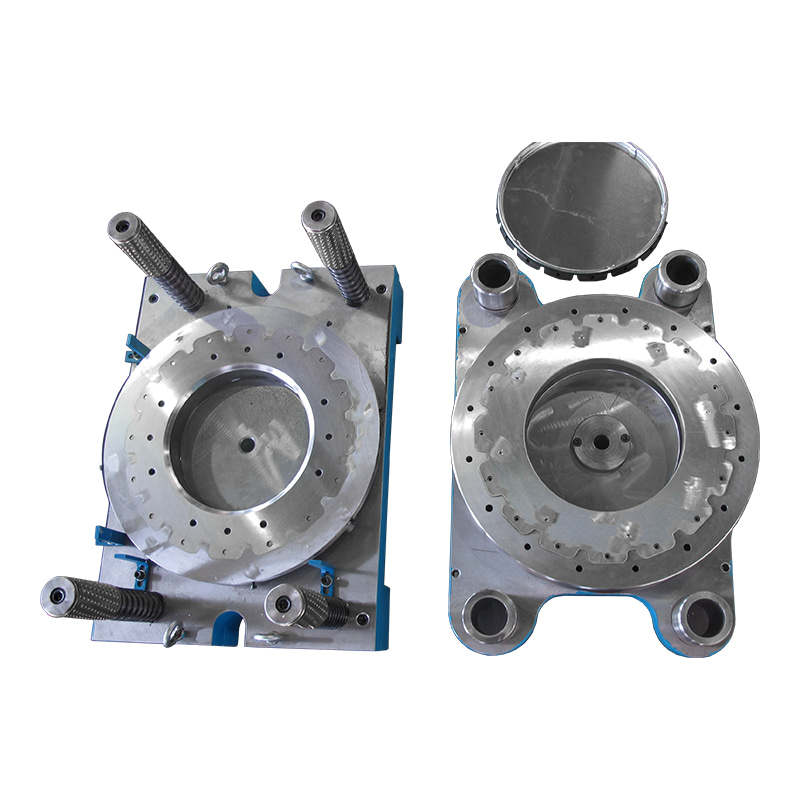
Check the equipment: Before starting the machine, verify that the sealing mold, cylinder, and transmission components are free of looseness, wear, or obstruction.
Check the power supply (if applicable): Some Pneumatic Sealing Machines may include an electronic control system. Ensure that the power cord is intact and properly grounded to prevent electrical leakage.
2. Personal Protection Measures
Wearing protective equipment: Operators should wear cut-resistant gloves (to prevent scratches on the sealing edge), goggles (to protect against eye injury from splashing), and earplugs (if the equipment is noisy).
Avoid loose clothing: Sleeves and long hair should be tied tightly to prevent them from becoming entangled in moving parts.
No bare-handed operation: During the sealing process, direct contact with the mold or barrel opening is strictly prohibited to prevent pinching.
3. Safety regulations during operation
Proper container placement: Ensure that the barrel to be sealed (such as a vacuum cleaner barrel or a safety powder barrel) is securely placed to prevent tilting or sliding, which could cause the seal to shift or the equipment to jam.
Two-handed operation: Some models require simultaneous activation of the button with both hands to prevent one hand from accidentally entering the danger zone.
No overloading:
Do not seal barrels that are thicker or made of materials that exceed the specified thickness or material of the equipment to avoid damage to the mold or cylinder.
Avoid continuous high-frequency operation to prevent cylinder overheating and seal degradation.
Immediately shut down the machine in the event of an abnormality: If leaks, unusual noises, or a loose seal are detected, immediately shut off the air supply and conduct repairs.
4. Safe Handling of Special Materials
Flammable and explosive materials (such as safety powder drums):
Ensure good ventilation in the work area to prevent dust accumulation and explosion risks.
Before sealing, check the drum for residual chemicals and wear a respirator if necessary.
Sharp or heavy containers: When handling, be careful to prevent slipping and impact. Use auxiliary tools (such as a forklift) if necessary.
5. Safety during Shutdown and Maintenance
Shut off the air supply and power supply: After completing an operation, release any residual air pressure in the pipeline before disconnecting the air supply and power supply.
Regular Maintenance:
Clean mold residue (such as plastic debris and glue stains) to prevent it from affecting sealing quality.
Inspect the cylinder seals and air pipes for aging and replace worn parts promptly.
Lock the equipment: During maintenance, shut off the air valve and display a warning sign to prevent accidental restart.
6. Environment and Emergency Management
Work Environment Requirements:
Keep the work area dry and clean, and prevent moisture and oil from entering the pneumatic system.
Keep away from high temperatures, open flames, or corrosive environments.
Emergency Procedures:
If a pneumatic line bursts or the machine becomes stuck, immediately press the emergency stop button and evacuate personnel. Have a first aid kit and a fire extinguisher (for flammable materials) readily available.
What are the advantages of Pneumatic Sealing Machines over other sealing methods (such as manual and electric)?
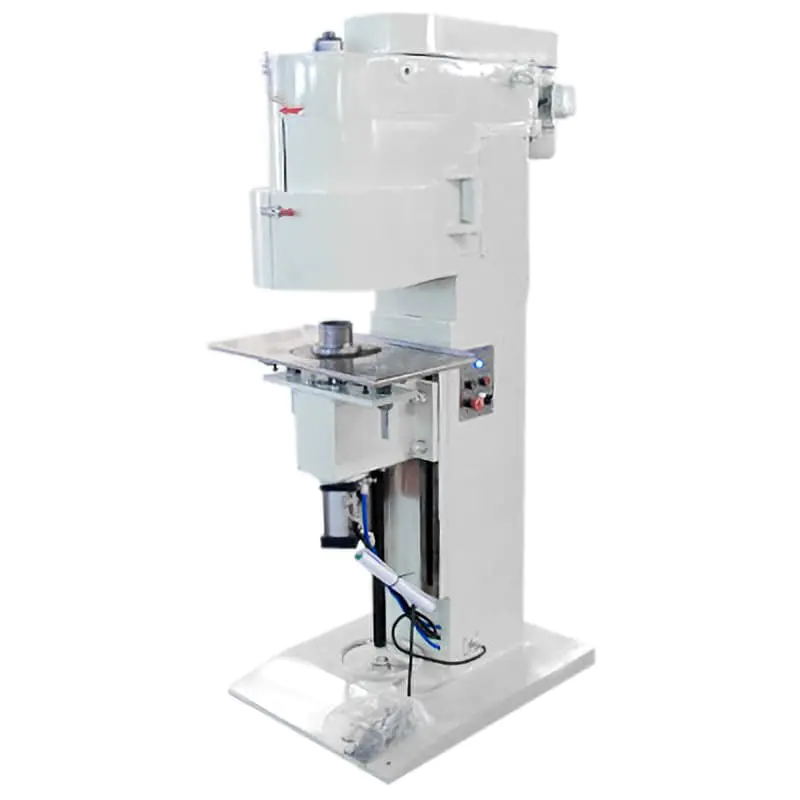
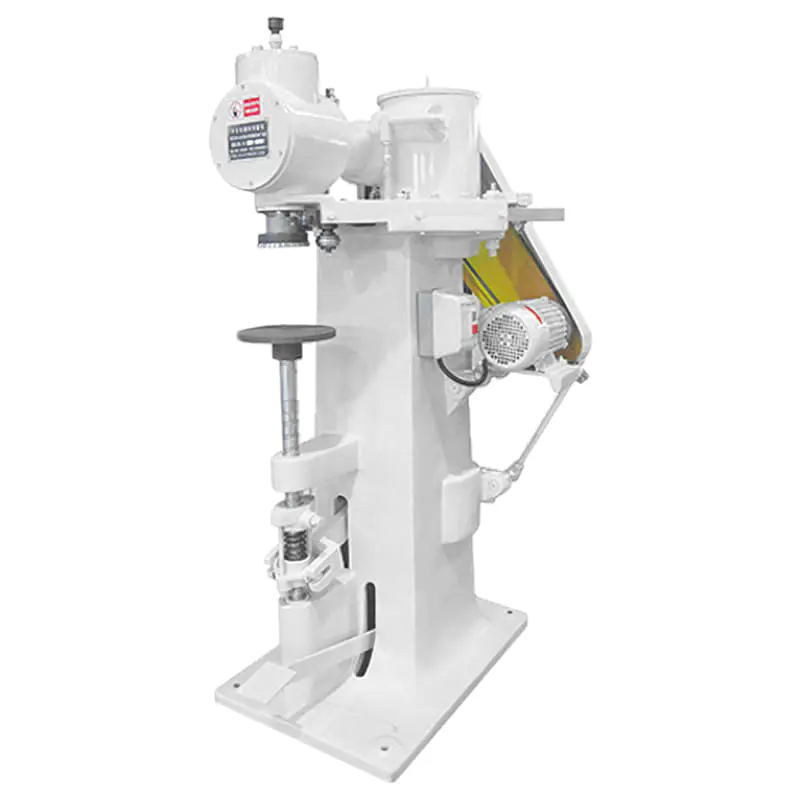
Pneumatic Sealing Machines are widely used in industrial packaging, particularly for bottom sealing barrels (such as vacuum cleaner barrels and chemical drums). Compared to manual and electric sealers, Pneumatic Sealing Machines offer significant advantages in efficiency, stability, safety, and adaptability.
1. Advantages compared to manual sealing methods
Manual sealing (such as manual capping, screw fixing, manual welding, etc.) relies on manual operation, is inefficient and has poor consistency, while pneumatic sealing machines have the following advantages:
(1) High efficiency and reduced labor costs
High degree of automation: Pneumatic sealing machines are driven by cylinders and can complete sealing in a single operation, which is 3 to 5 times faster than manual sealing.
Reduced dependence on manpower: Suitable for mass production, one person can operate multiple devices, reducing labor fatigue and the risk of misoperation.
(2) Stable sealing quality
Uniform and controllable pressure: The pneumatic system provides constant pressure to avoid loose sealing or deformation caused by uneven manual operation force.
Better sealing: Suitable for packaging that requires high airtightness (such as chemical barrels and moisture-proof packaging).
(3) Higher safety
Reduced risk of work-related injuries: Manual sealing may cause injuries due to improper use of tools (such as hammering, welding), while pneumatic sealing machines only require button operation to avoid direct contact with dangerous parts.
Applicable to special environments: such as the chemical industry, where manual sealing may expose people to hazardous substances, while pneumatic equipment can reduce the risk of exposure to personnel.
(4) Strong adaptability
Many adjustable parameters: air pressure, sealing time, and mold pressure can all be adjusted to adapt to different materials (plastic, metal barrels) and thicknesses.
Compatible with automated production lines: Can be linked with conveyor belts and PLC control systems to achieve fully automatic sealing.
2. Advantages compared to electric sealing machines
Electric sealing machines (such as electric heat sealers and servo capping machines) rely on motor drive. Although they have a high degree of automation, pneumatic sealing machines have more advantages in the following aspects:
(1) Faster power response
Instantaneous start and stop: Pneumatic systems rely on compressed air and have faster movement speeds than electric motors (especially suitable for high-frequency sealing).
No motor overheating problem: Electric sealing machines may cause motor overheating when running for a long time, while pneumatic equipment only needs a stable air source to work continuously.
(2) Lower maintenance cost
Simple structure: Pneumatic components (cylinders, solenoid valves) are more durable and have a lower failure rate than electric servo systems.
Easy maintenance: The circuit and motor of electric sealing machines are complex to maintain, while pneumatic equipment only requires checking consumable parts such as air pipes and sealing rings.
(3) Better safety
Explosion-proof performance: In flammable and explosive environments (such as dust and volatile chemical workshops), pneumatic equipment has no risk of electric sparks and is safer than electric sealing machines.
Overload protection: When the air pressure exceeds the limit, it will automatically release the pressure, while electric equipment may burn the motor due to stalling.
(4) Energy saving and environmental protection
Low energy consumption: Only compressed air is required, no high-power motor consumption, and long-term use costs are lower.
Pollution-free: Electric sealing machines may cause carbon brush wear or electronic waste, while pneumatic systems are cleaner.


 +86 13666712509

 English
 русский
 عربى
عربى

Contact Us