Choosing the right pneumatic sealing machine is crucial and depends on clearly defining your packaging needs, including sealing materials, bag thickness, production efficiency, and air supply conditions. Compared to manual or electric equipment, pneumatic sealing machines rely on stable compressed air to provide sealing pressure, resulting in more consistent sealing. This is especially suitable for companies with high demands on sealing strength and production efficiency. Therefore, when selecting a machine, you shouldn't only consider the price, but also comprehensively consider performance, application scenarios, and long-term operating costs.
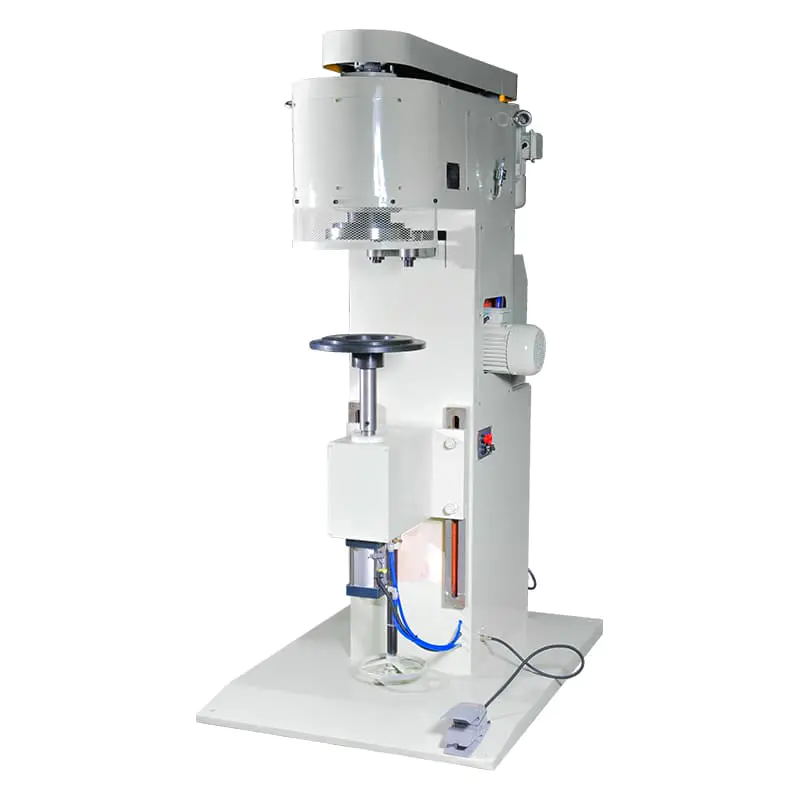
1. Choose a pneumatic sealing machine based on packaging materials and bag thickness
Different packaging materials have different requirements for sealing temperature and pressure. Common packaging materials include PE, PP, composite films, and aluminum foil bags.
When choosing a pneumatic sealing machine, you should focus on the equipment's sealing pressure range and heating method to ensure it can meet the sealing needs of thick bags or multi-layer composite materials. For thicker or high-seal packaging, pneumatic sealing machines have advantages over ordinary sealing equipment.
2. Focus on sealing quality and stability
Sealing quality is an important indicator of a pneumatic sealing machine's performance. Stable air pressure output ensures consistent pressure for each seal, thus reducing problems such as incomplete or leaky seals.
High-quality pneumatic sealing machines usually come with adjustable sealing time and temperature control systems, maintaining stable sealing results under different packaging conditions, making them suitable for food, pharmaceutical, and industrial packaging industries.
3. Choose the appropriate model based on production efficiency
If your company requires medium to high-intensity continuous production, it is recommended to choose an industrial-grade pneumatic sealing machine. These devices can quickly complete the sealing action according to the production cycle, effectively improving overall packaging efficiency.
When selecting a model, you should evaluate the required number of seals per hour and choose a pneumatic sealing machine model that can operate stably for a long time with low maintenance costs.
4. Confirm air source conditions and energy consumption requirements
Pneumatic sealing machines rely on compressed air to operate, so before purchasing, you need to confirm whether your factory has stable air source conditions, such as air pressure range and air quality.
Properly matching the air source not only ensures the normal operation of the equipment but also extends the service life of pneumatic components and reduces future maintenance costs.
5. Choose a reliable pneumatic sealing machine manufacturer
In addition to the equipment parameters themselves, the technical strength and after-sales service of the pneumatic sealing machine manufacturer are equally important. Professional manufacturers can typically provide customized solutions based on customers' specific packaging needs and offer support in installation, commissioning, and after-sales maintenance.
In the long run, choosing an experienced pneumatic sealing machine manufacturer helps reduce equipment failure rates and improve overall return on investment.
Selecting the right pneumatic sealing machine requires a comprehensive evaluation of various factors, including packaging materials, sealing quality, production efficiency, air supply conditions, and the manufacturer's capabilities. Only by fully understanding your own needs and choosing the appropriate equipment can you truly leverage the efficiency and stability advantages of pneumatic sealing machines in packaging production.


 +86 13666712509

 English
 русский
 عربى
عربى


Contact Us