In modern industry and packaging, sealing machines are essential, critical equipment. They ensure the seal of product packaging, thereby protecting product quality, safety, and extending shelf life. There are many types of sealing machines on the market, each with its own focus based on its operating principle, degree of automation, and application scenario.
1. Classification by Automation Level: Manual, Semi-Automatic, and Fully Automatic
Manual sealing machines: These require manual operation to complete the sealing process. They are typically simple and low-cost, making them suitable for low-volume production or laboratory use.
Semi-Automatic sealing machines: These machines perform the sealing action but require manual operation to place and remove the package. This type of sealing machine balances efficiency and cost, making it a common choice for small and medium-sized businesses.
Fully Automatic sealing machines: These are integrated into production lines and are fully automated from feeding and filling to sealing and discharging. They offer the highest production efficiency and consistency, making them ideal for large-scale production.
2. Classification by Operating Principle: Heat sealing, induction sealing, and Pneumatic Sealing Machine, among others.
A. Heat Sealing Machines
Heat sealing is one of the most common types of sealing machines. It uses a heating element to melt the thermoplastic layer of packaging materials (such as plastic film and composite bags), then applies pressure to bond them.
Instantaneous heat sealers: They feature a short heating time and are suitable for thinner materials.
Constant heat sealers: They utilize continuous heating and are suitable for thicker composite materials and aluminum foil bags.
B. Electromagnetic induction sealers
This type of equipment is primarily used to seal the inside of lids of containers such as bottles and jars. It uses an electromagnetic field to generate eddy currents on the aluminum foil gasket inside the bottle cap, causing it to heat and melt, adhering to the bottle opening and creating a contactless, perfect seal. It is widely used in the food, pharmaceutical, and chemical industries to ensure product anti-counterfeiting and leak prevention.
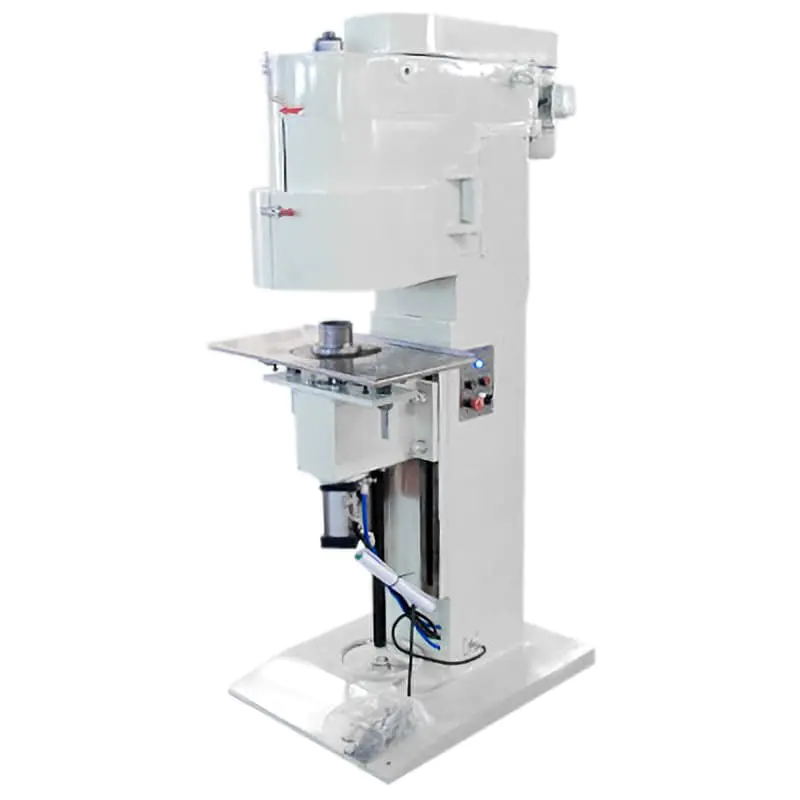
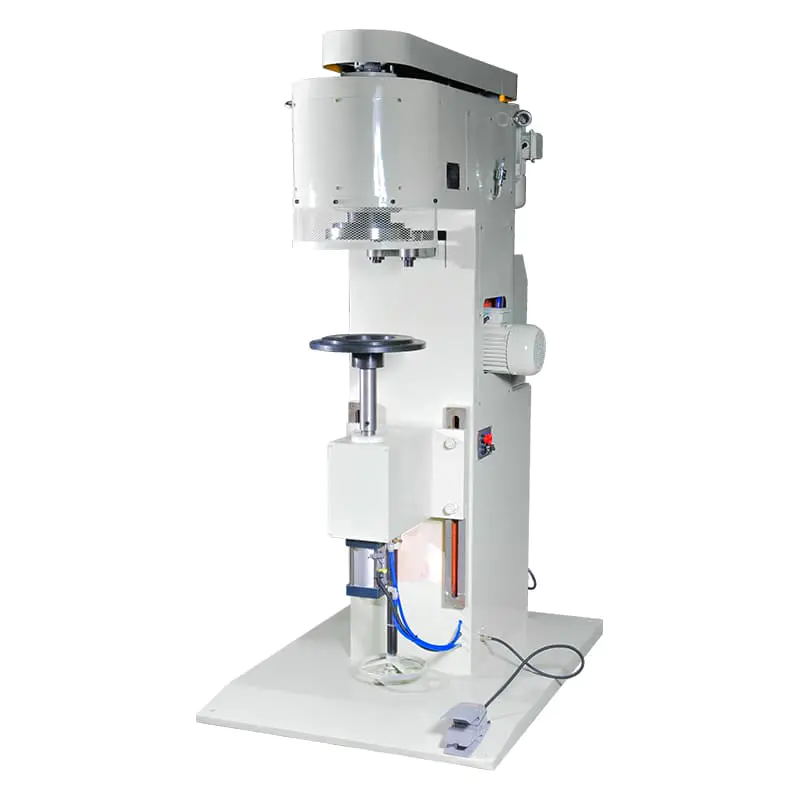
Pneumatic Sealing Machine use compressed air as a power source to drive the sealing head or clamp. Compared to traditional mechanical or electric drives, Pneumatic Sealing Machine offer the following significant advantages:
Uniform and Stable Pressure: The pressure provided by the air cylinder is uniform and easily adjustable, ensuring precise and consistent sealing. This makes it particularly suitable for packaging applications requiring stable pressure.
Simple Structure and Easy Maintenance: Pneumatic components have a low failure rate and relatively simple maintenance, helping to reduce equipment maintenance costs.
Safe and Reliable: Without the need for complex electrical systems, Pneumatic Sealing Machine are safer than electric equipment in certain flammable and explosive environments.
Efficient and Durable: The pneumatic system responds quickly and provides strong clamping force, making it suitable for various heavy packaging materials and high-strength sealing applications.
As a result, Pneumatic Sealing Machine are increasingly used in industries requiring high sealing and durability, such as food processing, pharmaceutical packaging, and chemical raw materials.
D. Continuous/Continuous Sealers
These use a pair of continuously moving heating belts to feed the bags and perform continuous heat sealing. They are particularly suitable for high-volume, assembly-line bag sealing.
3. Classification by Package Type: Cup and Box Sealers, Bag Sealers, and Can Sealers
Cup and Box Sealers: Specially designed for sealing the top film of prefabricated containers such as plastic cups and lunch boxes.
Bag Sealers: Suitable for sealing various plastic bags and composite bags (such as snack bags and tea bags).
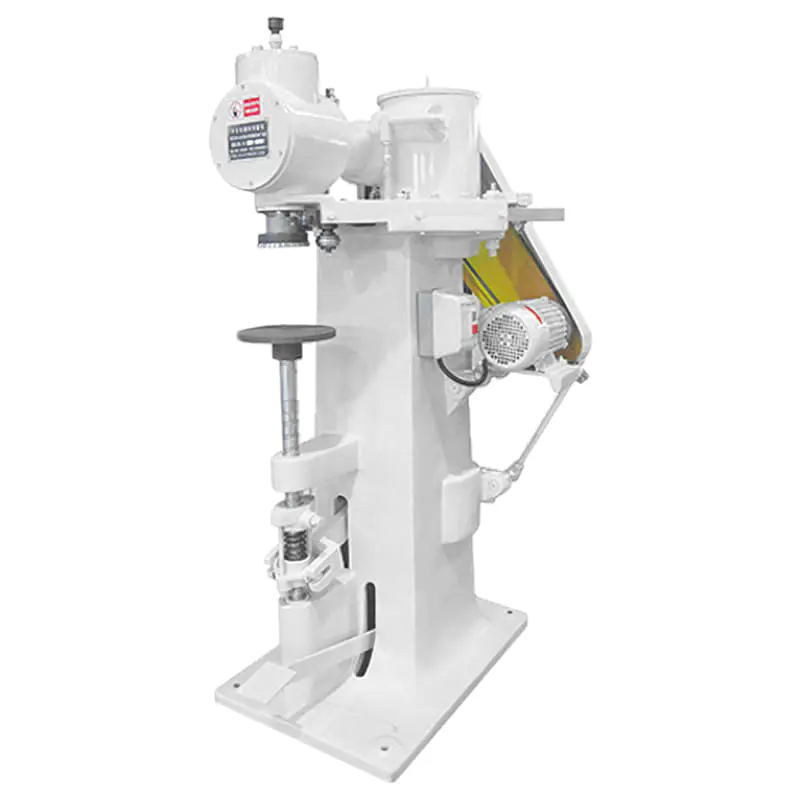
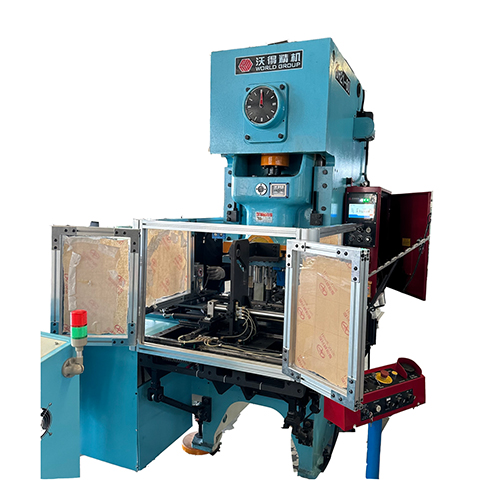
Can Sealers (Capping Machines): Specially designed for crimping or screwing the lids of metal cans and glass bottles.
Choosing the right sealing machine requires a comprehensive consideration of the packaging material, product characteristics, production volume, budget, and required sealing quality. For businesses seeking high efficiency, stable pressure, safety, and durability, pneumatic sealing machines are undoubtedly high-performance automated equipment, providing reliable sealing solutions for various industrial packaging applications.


 +86 13666712509

 English
 русский
 عربى
عربى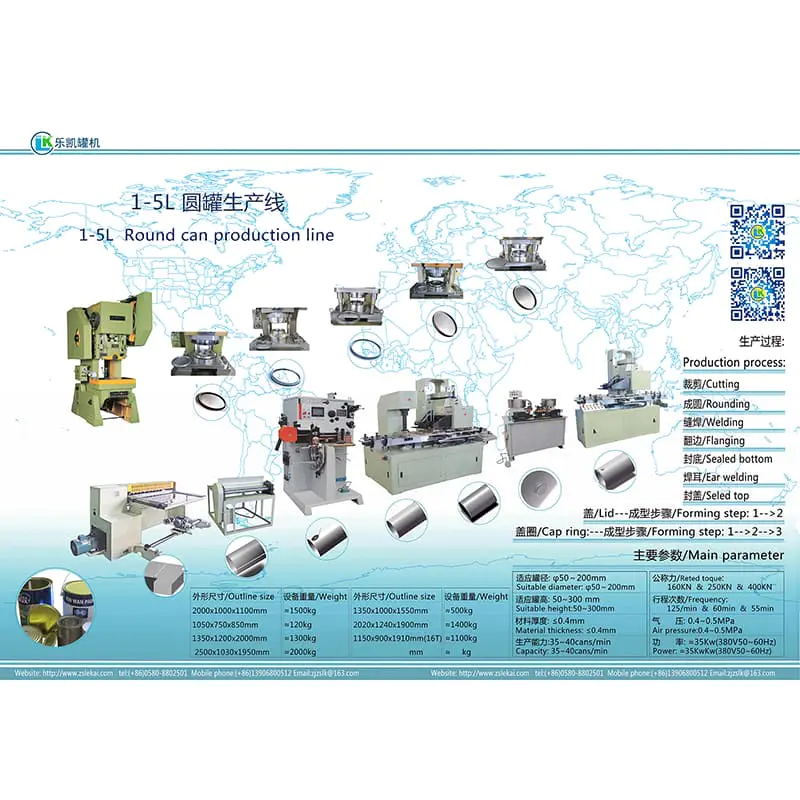


Contact Us