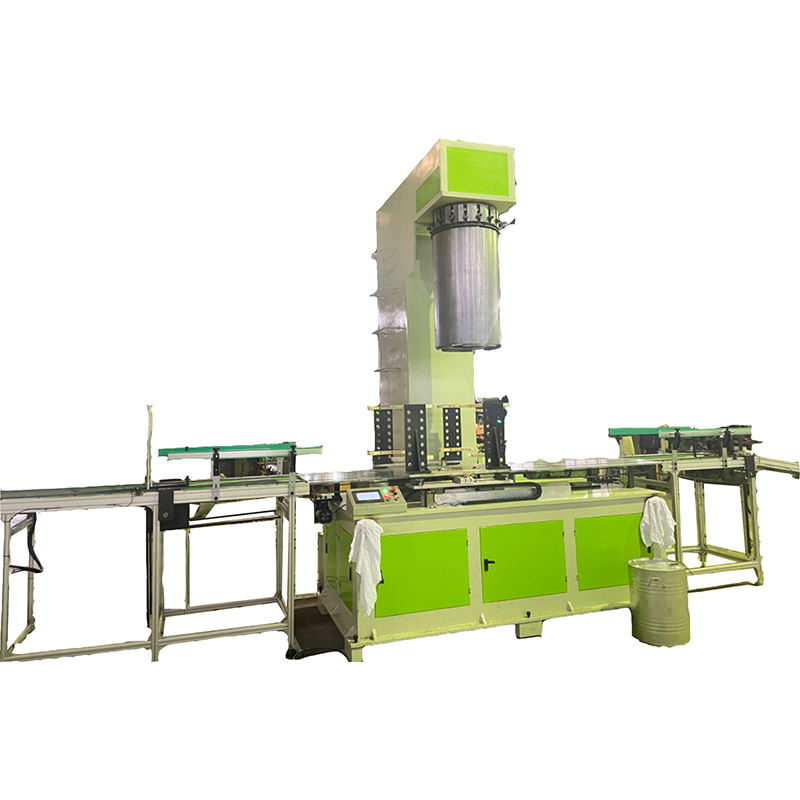
A 1-5L square can production line is a fully integrated sequence of metalworking machines that transforms flat tinplate or steel sheet into finished, sealed square cans ready for filling. The line moves material through a fixed process order: sheet preparation and slitting, blanking and rounding, resistance seam welding to form the can body, interior and exterior coating and curing, square expanding and embossing to give the can its final shape, flanging and seaming to attach the bottom and top ends, leak testing, and finally stacking for dispatch. Because the process is continuous and automated, a well-configured line can produce at speeds of up to 60 to 80 cans per minute for small-format square cans, requiring as few as one or two operators to run the entire line (sources: can-equipment.com; tincanmakingmachine.net). The 1-5L Square Can Production Line operates on this same fundamental principle, taking raw metal sheet through every forming, welding, coating, and seaming stage in a single continuous flow. The sections below break down each stage in depth, covering the machine involved, the process parameters that matter, and the quality checks that keep the output within specification.
Why the Square Shape Requires a Different Process Than Round Cans
Round cans can be formed by bending sheet metal into a cylinder and welding the seam, then seaming the ends directly onto the tube. The circular geometry is self-reinforcing under internal pressure and can be handled by the seaming head at a constant radius throughout the closing operation. A square or rectangular can body has flat walls, sharp corners, and a non-circular end profile, which means the can body must go through additional forming steps after welding that a round can does not need. Specifically, the cylindrical welded tube must be expanded into a square cross-section by a forming tool that simultaneously pushes the walls outward at the flat faces and creates the defined corner radius. This square expanding step is what gives the can body its final shape and is also where embossing ribs or panel patterns are pressed into the side walls to add rigidity, since flat metal panels without reinforcement would flex or bow inward under normal handling loads. The seaming operation at the ends must also be set up for the four-sided perimeter rather than a circle, which requires a different seaming head geometry and typically a dual-station seaming arrangement to close all four sides of the end panel evenly.
Stage One: Sheet Preparation and Blanking
The production process starts with the input material, which is typically tinplate (electrolytically tin-plated steel) or tin-free steel, supplied in coils or pre-cut sheets. For a 1-5L square can, the sheet thickness is commonly in the range of 0.20 to 0.32 mm for the can body, with the end lids sometimes produced from slightly thicker material depending on the required stacking strength (source: grcanmachine.com; rectangular can production specifications). The first machine in the line is the sheet feeder and slitter, which uncoils the material if supplied in coil form and slits it to the exact blank width required for the target can body height. Precise blank width control at this stage is critical because any variation carries through to the welded seam overlap and ultimately to the final can dimensions.
After slitting, blanks are cut to the correct sheet length and fed into the rounding station. The rounding machine curves the flat blank into a cylindrical tube shape, which positions the two opposing edges of the blank for the subsequent resistance seam welding step. The accuracy of the rounding geometry affects how evenly the weld seam overlaps, so this station typically runs with guide rollers adjusted to the specific blank dimensions of the can being produced.
Stage Two: Resistance Seam Welding
Resistance seam welding is the process that closes the cylindrical can body by fusing the overlapping edges of the blank together using electrical resistance heating under pressure. Two rotating copper electrode wheels press against the overlapping blank edges while a high-frequency alternating current passes through the contact zone, generating localized heat that melts and fuses the metal without requiring filler material. The weld is formed as a continuous seam rather than as a series of spot welds, which gives the can body a hermetic longitudinal seam suitable for liquid products including edible oils, lubricants, and chemical formulations. For cans in the 1-5L range, the weld seam overlap is typically 0.4 to 0.6 mm, and the welding speed is closely matched to the downstream forming station to avoid creating a buffer or gap in the continuous flow. Ultrasonic sensors are used on modern lines to confirm correct seam positioning before the welded body enters the expanding station (source: can-equipment.com).
Internal and External Seam Coating
Immediately after welding, the inner surface of the weld seam is coated with a protective powder or lacquer to prevent the exposed bare metal at the weld zone from corroding or contaminating the contents. This is known as the inner seam protection step, and it is followed by a curing oven that dries and bonds the coating before the can body moves to the square forming stage. The outer surface may receive an additional coating or varnish at this stage depending on the product specification and the surface condition of the incoming tinplate.
Stage Three: Square Expanding and Embossing
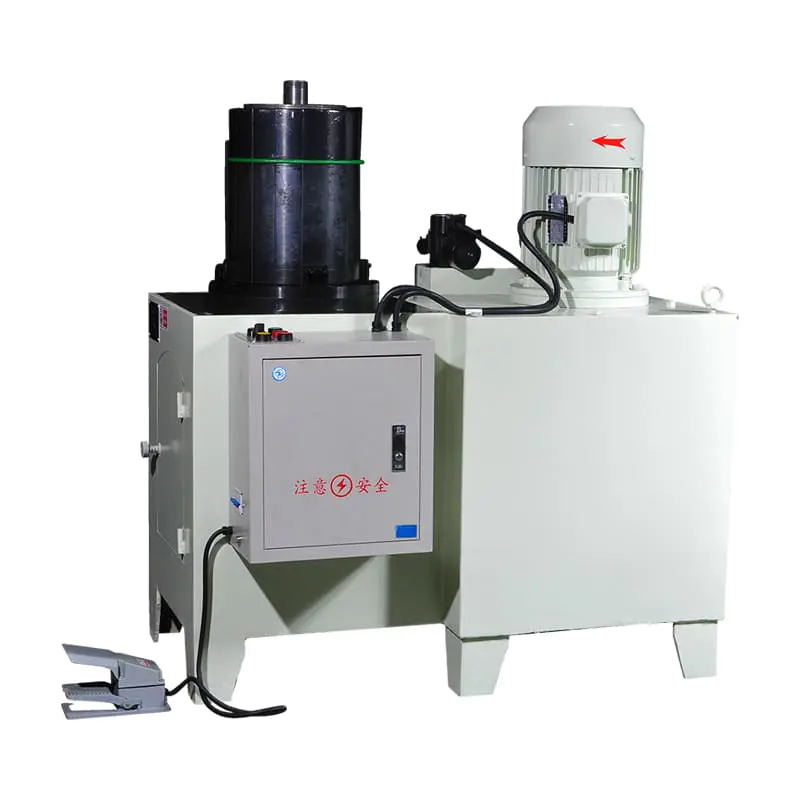
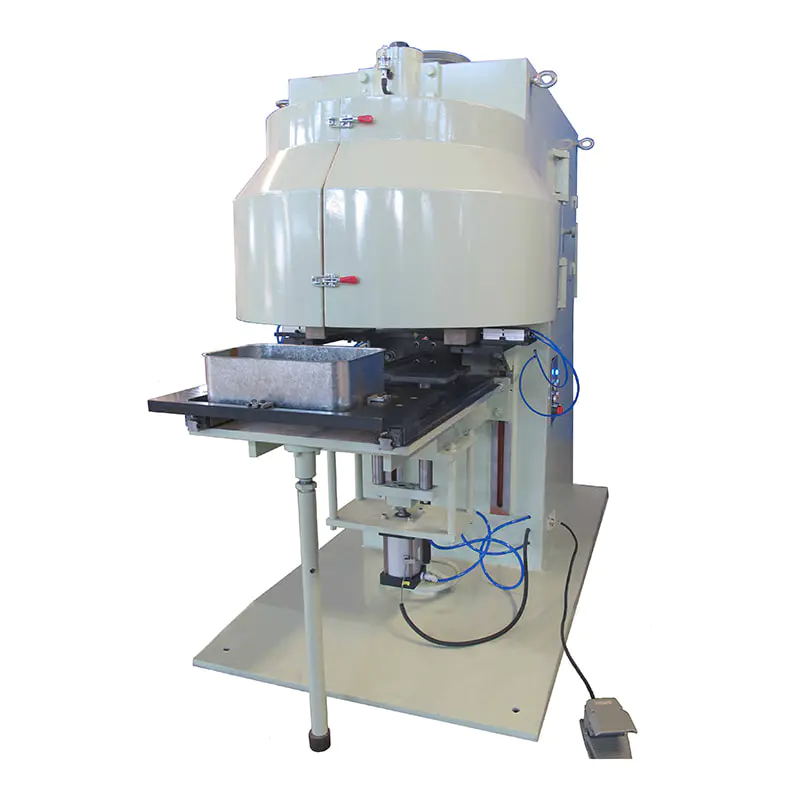
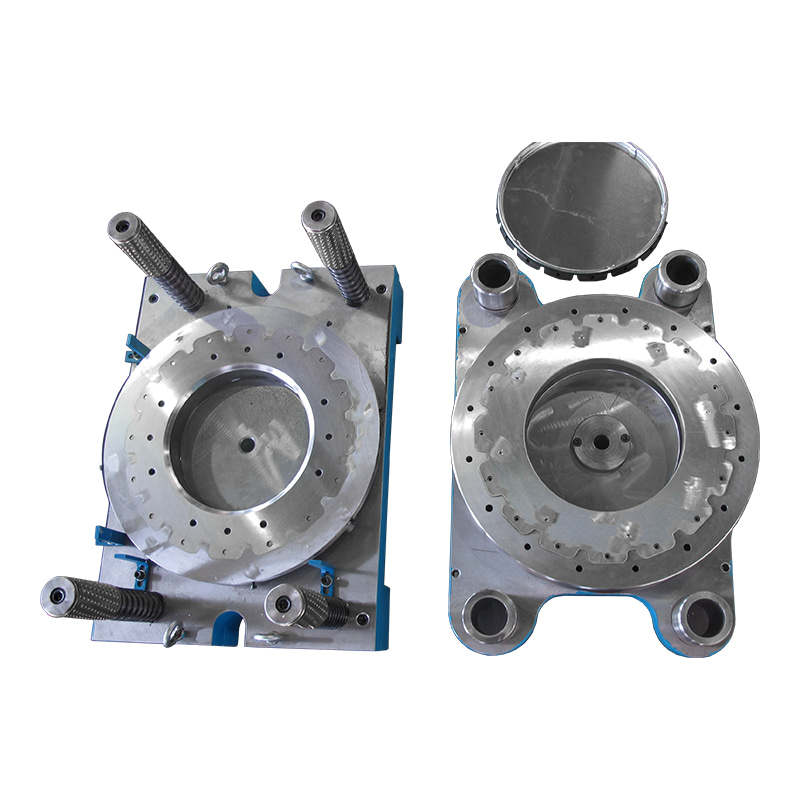
The square expanding machine is the defining step that makes a square can production line different from a round can line. The welded cylindrical body is fed into the expanding machine, which contains a set of internal forming tools, sometimes called a mandrel or expanding die, that push outward in four directions simultaneously to convert the circular cross-section into a square or rectangular profile with defined corner radii. For small 1-5L cans, the expanding operation must be controlled precisely because thin wall material at this scale is more susceptible to cracking or wrinkling at the corners if the expansion rate or tool geometry is misaligned. Dual-station expanding units are used on high-speed lines to improve both forming uniformity and throughput, with the two stations alternating the workpiece loading and expanding cycle to double the effective output rate (source: can-equipment.com).
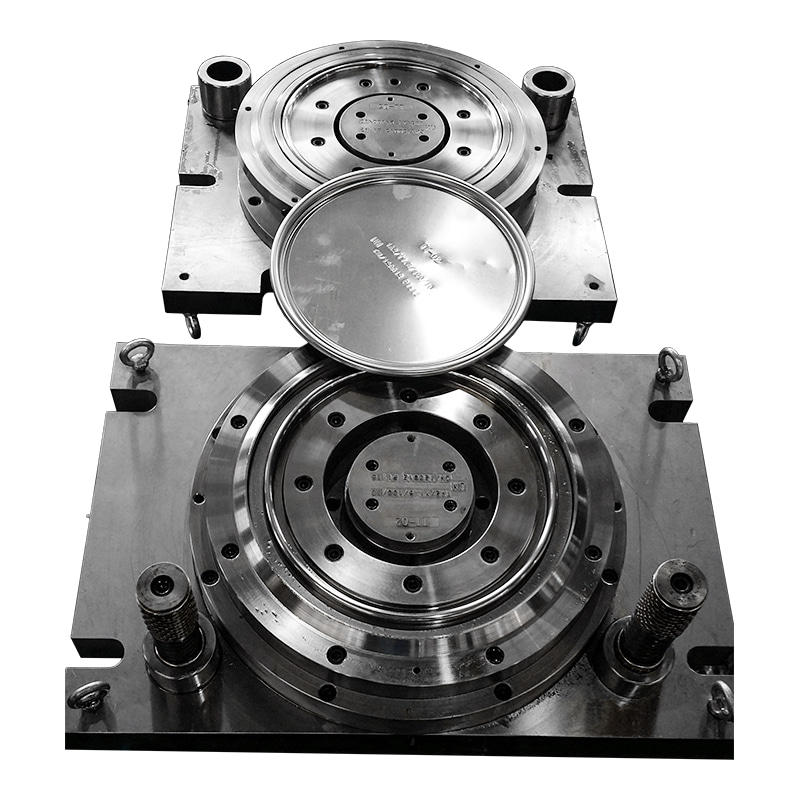
In the same station or immediately following, the embossing operation presses reinforcing rib patterns into the four side walls and sometimes the corner edges of the can body. These embossed ribs serve a structural function: they prevent the flat panels of the square body from bulging outward when the can is filled with liquid or subjected to thermal expansion, and they increase the resistance of the walls to denting during transport and handling. The rib pattern depth and spacing are specified in the can design and set into the embossing dies during line changeover.
Stage Four: Flanging and End Seaming
Once the can body has been expanded and embossed, both open ends must be flanged outward to prepare for seaming. The flanging machine bends the top and bottom rim of the square can body outward by a precise flange width, creating the surface that will interlock with the rolled edge of the can lid during seaming. Integrated flanging and seaming units are used on modern lines to perform flanging and seaming of the same end at a single station, which reduces handling steps and helps prevent the deformation that can occur if a thin-wall square can body is transferred between too many stations without support (source: can-equipment.com).
Bottom Seaming
The bottom lid is seamed first. Pre-formed bottom end panels are fed from a lid-stacking magazine into the seaming head, which rolls the can body flange and lid curl together through a double-seaming operation to form a mechanically interlocked, airtight closure. For square cans, the seaming head must follow the square perimeter of the end panel rather than rotating around a fixed circular radius, which requires the seaming rollers to traverse the four sides and negotiate the corner transitions smoothly without lifting or losing contact pressure.
Turning and Top Seaming
After bottom seaming, the can is inverted by a can-turning mechanism so the open top end faces downward for the top seaming operation. The top lid, which typically includes the pouring spout, handle attachment points, or other features specific to the container design, is fed from a separate lid magazine and seamed onto the can body in the same way as the bottom. Some configurations complete the top seaming with the can in its original orientation using a rotary lid delivery system that places lids at high speed without requiring a physical inversion (source: can-equipment.com).
Stage Five: Leak Testing and Quality Inspection
Every completed can passes through a leak testing station before it exits the line. Air pressure leak testing is the standard method for 1-5L metal cans, where each can is pressurized to a set level, typically in the range of 20 to 100 kPa depending on the end-use requirement, and then monitored over a defined dwell time for any pressure drop that would indicate a seam failure or pinhole. Cans that fail the test are automatically rejected from the conveyor before they reach the stacking or packaging stage. The automatic fault detection system on a modern line can also flag mechanical causes of consistent leaks, such as a worn seaming roller or a misaligned flanging tool, allowing corrective action before a batch of cans is affected (source: tincanmakingmachine.net).
Dimensional and Surface Checks
- Can height and diagonal dimension are checked against the approved drawing to confirm the expanding die has not shifted during the production run
- Seam height and seam tightness are measured on sample cans pulled from the line at defined intervals, since seam dimensions are the primary indicator of seaming machine condition
- Weld seam continuity can be verified by visual inspection or optical sensor on the welding station, with any gap or overlap defect triggering a reject signal downstream
- Inner coating coverage is checked on sample cans for the seam protection area, since bare metal at the weld zone is the most common source of corrosion or product contamination in liquid-filled metal cans
Key Machines in a 1-5L Square Can Production Line
The table below lists the main machines found on a standard 1-5L square can production line, their function, and typical specification parameters based on published machine technical data.
| Machine Station |
Function |
Typical Specification |
| Sheet slitter or blanking machine |
Cuts incoming sheet to blank size for can body |
Sheet thickness 0.20 to 0.32 mm; width tolerance plus or minus 0.1 mm |
| Rounding machine |
Forms flat blank into cylindrical tube shape |
Matched to can body circumference of target size |
| Resistance seam welder |
Closes cylindrical body with a continuous longitudinal weld |
Weld overlap 0.4 to 0.6 mm; speed synchronized with line |
| Inner seam coating and curing |
Protects bare weld metal with lacquer or powder coating |
Curing oven temperature and dwell matched to coating system |
| Square expanding machine |
Converts round welded body to square cross-section |
Dual-station for high speed lines; tool adjusted to target can size |
| Panel and corner embossing machine |
Presses reinforcing ribs into side walls |
Rib pattern and depth set per can design |
| Flanging machine |
Forms outward flange at top and bottom rim for seaming |
Flange width and angle matched to lid curl specification |
| Bottom seaming machine |
Double-seams bottom lid onto flanged can body |
Speed 15 to 80 cans per minute depending on line configuration |
| Can turning unit |
Inverts can for top seaming or manages lid delivery |
Continuous rotary or mechanical inversion mechanism |
| Top seaming machine |
Double-seams top lid onto can body |
Matched to bottom seamer speed |
| Leak testing machine |
Pressure-tests each finished can for seam integrity |
Test pressure 20 to 100 kPa; auto-reject for failures |
| Stacker or palletizer |
Collects and stacks finished cans for dispatch |
Output matched to line speed |
Sources: grcanmachine.com; can-equipment.com; tincanmakingmachine.net; published machine specification data.
Production Speed and Output Capacity
Line output for 1-5L square cans varies by configuration. Semi-automatic lines built around individual expanding, flanging, and seaming machines typically reach 15 to 25 cans per minute. Fully automatic lines that integrate dual-station expanding with in-line flanging, seaming, and leak testing can reach a maximum speed of 60 to 80 cans per minute, with an average working speed around 60 cans per minute under normal production conditions (source: can-equipment.com; Jorson square can production line specifications). For small rectangular cans in the 1-5L range, published specifications from multiple machine suppliers list typical line speeds of 25 to 60 cans per minute depending on can size and whether the line is running in single-station or dual-station mode. At 60 cans per minute on a two-shift production day, a single line can theoretically produce more than 57,000 cans per day, though actual utilization depends on changeover time, maintenance schedules, and material supply continuity.
| Line Configuration |
Typical Output Speed |
Can Size Range |
Staffing |
| Semi-automatic line |
15 to 25 cans per minute |
1 to 5 liters |
3 to 5 operators |
| Fully automatic, single-station expanding |
25 to 40 cans per minute |
1 to 5 liters |
2 to 3 operators |
| Fully automatic, dual-station expanding |
60 to 80 cans per minute |
1 to 5 liters |
1 to 2 operators |
Sources: can-equipment.com; grcanmachine.com; tincanmakingmachine.net.
Sheet Metal and Material Specifications
The mechanical properties and surface treatment of the input sheet material have a direct effect on how well the can body forms at each station and how the finished can performs in service. The main material variables for 1-5L square can production are sheet thickness, tensile strength, tin coating weight, and lacquer system.
- Sheet thickness for 1-5L can bodies is typically 0.20 to 0.32 mm, with thinner gauges used for smaller capacity cans where stiffness from the embossed ribs compensates for the thinner wall
- Tinplate for food and edible oil applications typically carries a tin coating weight of 2.8 g per square metre on each surface, while cans for chemical or paint contents may use different surface treatments based on chemical compatibility
- The steel substrate hardness, usually expressed as temper designation T52 or T57 for common can applications, determines how readily the sheet forms around the expanding die corners without cracking
- Interior lacquer systems are selected based on the filled product, with epoxy-phenolic systems commonly used for edible oils and specialized coatings used for chemical products to prevent reaction between the contents and the metal
Applications of 1-5L Square Cans
The 1-5L size range covers a wide range of filling applications across food, chemical, personal care, and industrial sectors. Square or rectangular cans in this format have a significant volume-to-footprint advantage over round cans of equivalent capacity, since they pack together on a pallet without the gap space that round cans leave between rows.
Food and Edible Oil
Edible cooking oil in 1-litre and 5-litre square tinplate cans is one of the most widely produced formats using this line type globally. The hermetic seam sealing and inner lacquer coating protect the oil from metal contact and light exposure during storage, and the square format is easy for consumers to pour and handle. Olive oil, palm oil, vegetable oil, and specialty cooking oils are all commonly packed in square tinplate cans at the 1-5L scale.
Lubricants and Engine Oils
Automotive and industrial lubricants including motor oil, gear oil, and hydraulic fluid are frequently packed in 1-4L square tin cans for retail distribution. The durability of the welded metal body and the resistance to solvent permeation through metal walls make tin cans preferable to plastic containers for many high-performance lubricant formulations where shelf life and chemical integrity are critical.
Paints, Varnishes, and Chemical Products
Decorative and industrial paints, wood varnishes, adhesives, and chemical formulations such as solvents and cleaning compounds are commonly supplied in 1-5L square metal cans. The metal body resists solvent vapour transmission and provides tamper evidence through the seamed lid, which is important for regulated products in markets where chain-of-custody integrity is required.
Other Applications
- Lighter fluid and fire-starting liquids, where metal packaging is preferred over plastic for safety reasons
- Agrochemical products including pesticides and fertilizer concentrates, where regulatory requirements often specify metal packaging
- Specialty food products including syrups, honey, and confectionery fillings where barrier performance and extended shelf life are needed
Automation and Control Systems on Modern Lines
Modern square can production lines use PLC-based control systems that coordinate every station across the line, monitoring real-time parameters including welding current, expanding die position, seaming roller pressure, and leak test results. The PLC integrates fault detection logic that can identify a specific station as the source of a defect pattern and generate an alert before a large volume of out-of-specification cans is produced. Automatic can rejection systems at the leak test station remove non-conforming cans from the conveyor without stopping the line, maintaining throughput while ensuring that only verified cans reach the stacking stage.
Ultrasonic sensors on the seam welder confirm the weld seam is correctly positioned on every can before it advances to the expanding station, since a mispositioned seam in the expanding die can cause the body to split at the corner radius under the expanding force. Vision systems are increasingly being added inline to inspect decorative surfaces and seam profiles without slowing the line (source: tincanmakingmachine.net). The combination of these systems means that a fully automated 1-5L Square Can Production Line can maintain a low rejection rate and consistent dimensional output across extended production runs with minimal operator intervention.
Line Changeover and Size Flexibility
A 1-5L square can production line is not locked to a single can size. The expanding die, flanging tooling, seaming heads, and lid magazine are all changeable to accommodate different can dimensions within the design range of the line. Changeover time depends on the number of tooling sets that need to be changed and whether the line uses quick-release tooling mounts or bolted fixtures. For production environments that run multiple SKUs on the same line, fast changeover tooling design is an important specification criterion since each changeover represents lost production time. Well-designed lines for the 1-5L range can typically be changed over between standard sizes within one to two hours, though the actual time depends on the specific machines involved and the skill of the changeover crew. Transmission chains on some square expanding machines are adjustable to accommodate different can diagonal dimensions without a full die change, which reduces the scope of the changeover for dimensional variations within a given can family (source: grcanmachine.com).


 +86 13666712509

 English
 русский
 عربى
عربى


Contact Us