Proper maintenance of an Automatic Can Seaming Machine requires following five major maintenance systems: daily cleaning, regular lubrication, key component inspection, sealing quality monitoring, and regular overhauls. Data shows that Automatic Can Seaming Machines with a standardized maintenance regime can achieve an average mean time between failures (MTBF) of over 3000 hours, 2-3 times longer than machines with less attention to maintenance. Additionally, the defective sealing rate can be kept under 0.05%, effectively reducing food safety risks and production losses. For example, a commonly used fully automatic four-wheel can seaming machine in the food industry can extend the service life of its seaming rollers from an average of 6 months to 12–18 months with just 15 minutes of routine cleaning and lubrication after each shift, directly saving over 30% on spare parts costs.
Core Structure of an Automatic Can Seaming Machine
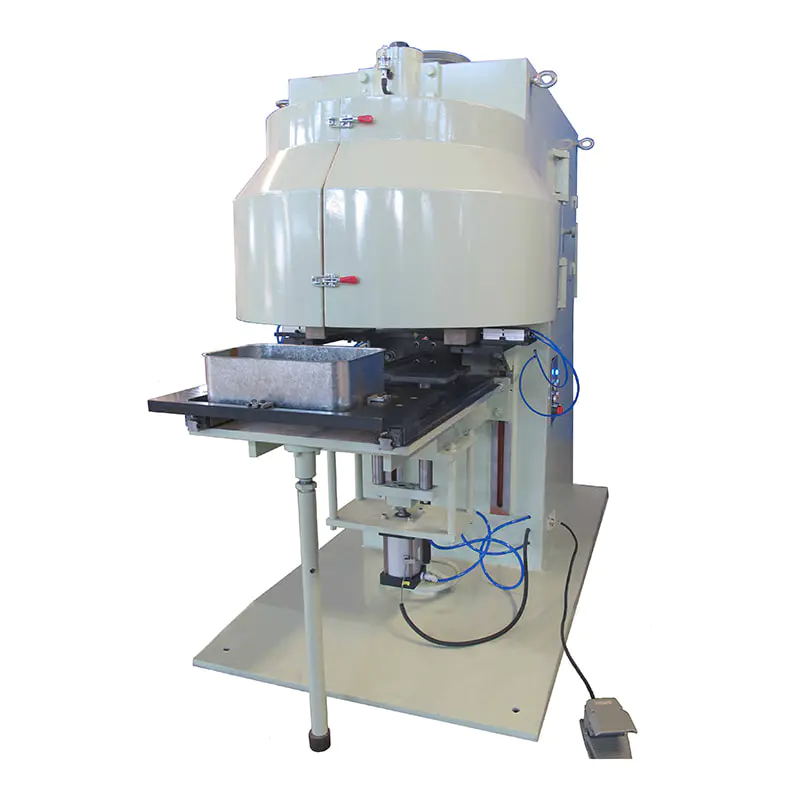
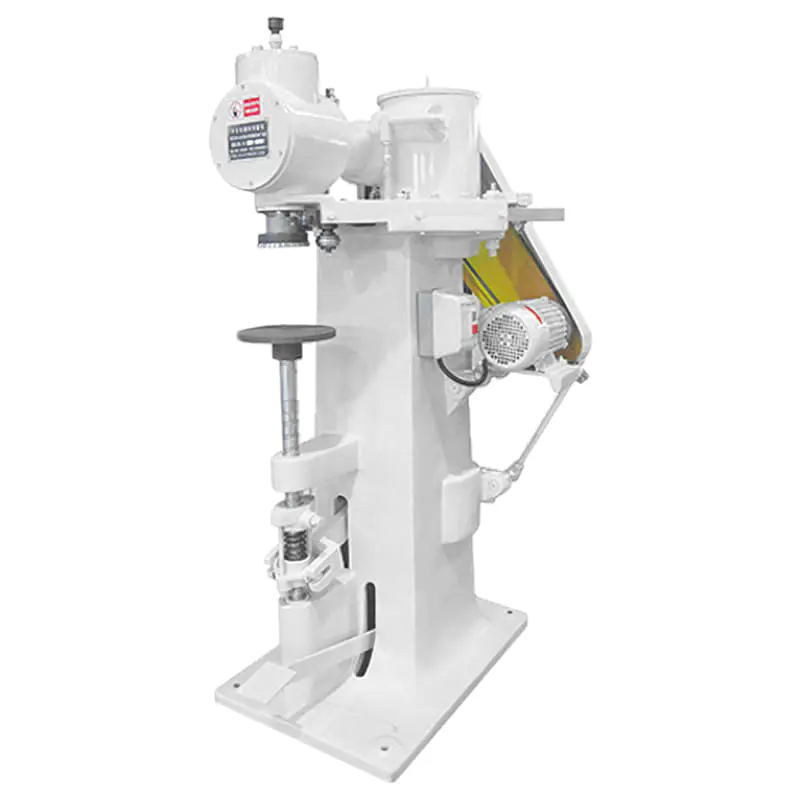
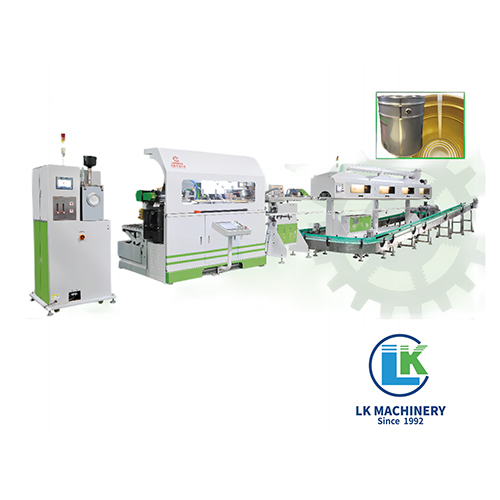
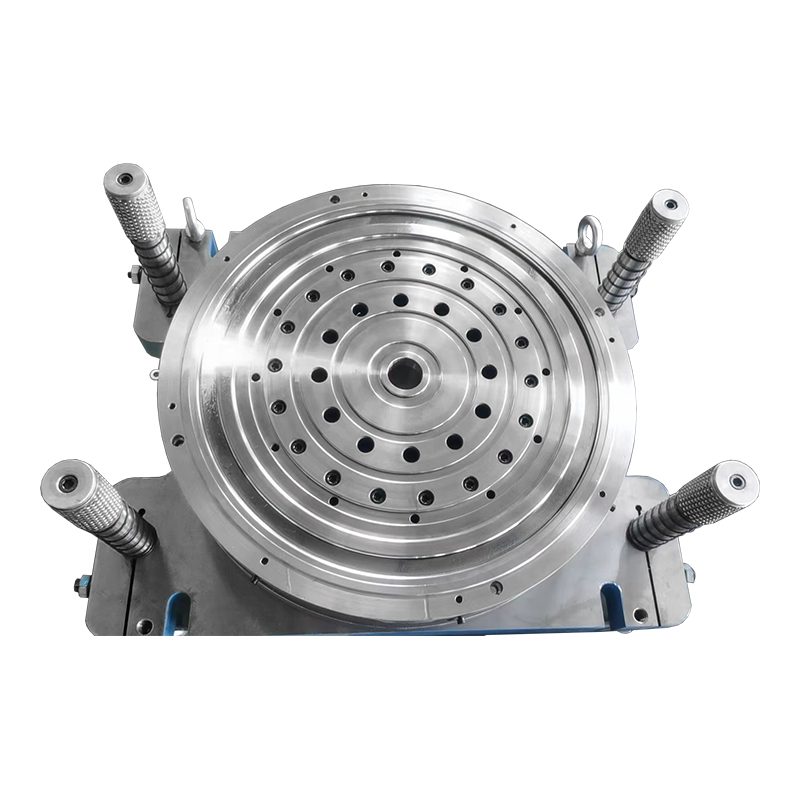
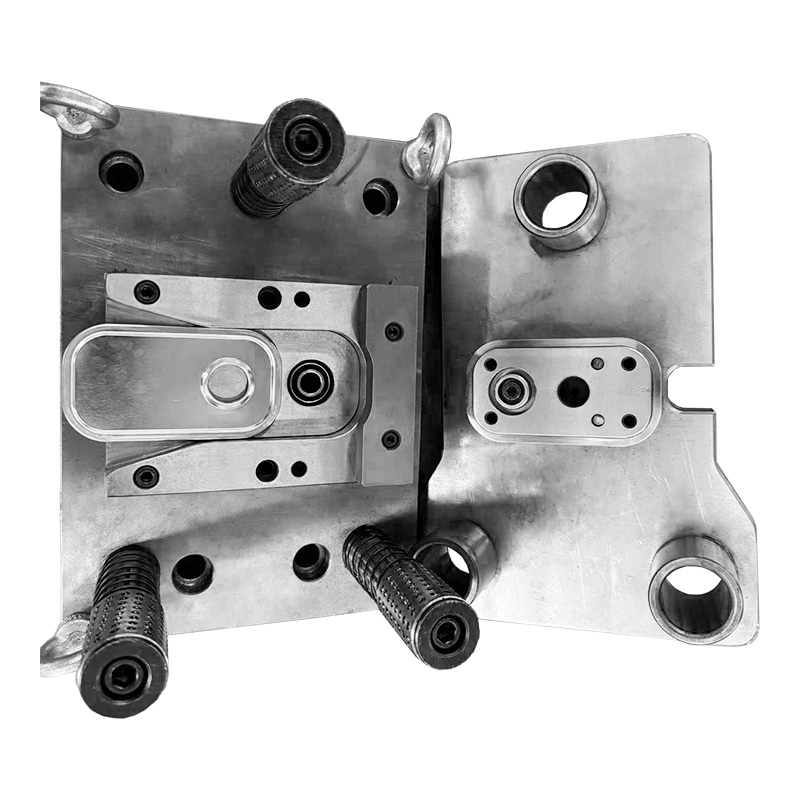
Understanding the core structure of an Automatic Can Seaming Machine is the foundation for creating a scientific maintenance plan. A typical fully automatic can seaming machine is composed of six major parts: the can feeding system, positioning mechanism, seaming rollers (including the first and second rollers), lid pressing mechanism, transmission system, and electrical control system.
Daily Maintenance Procedures for an Automatic Can Seaming Machine
Daily maintenance is the foundation of the maintenance system for an Automatic Can Seaming Machine, and tasks that must be performed at the end of each shift directly determine the machine's short-term operational stability.
Shutdown and Power Cutoff
Follow the standard shutdown procedure, cut off the power, and attach the safety lock (LOTO procedure).
Residue Removal
Use food-grade cleaners to remove residual materials, metal debris, and lid fragments from the seaming head, can holding tray, and conveyor tracks to prevent foreign substances from contaminating the production process the next day.
Seaming Roller Cleaning
Use a soft brush and compressed air to clean the grooves of the rollers, removing aluminum chips, iron filings, and grease residues to maintain groove dimension accuracy.
Surface Wiping
Wipe the machine’s body with lint-free cloth soaked in a food-grade neutral cleaner, especially in areas near the materials, to meet GMP/HACCP hygiene standards.
Sealing Quality Record
Record the sealing inspection data for the shift (overlap rate, thickness, and width of the seam). Report any anomalies promptly.
Operational Status Record
Fill out the equipment inspection sheet, noting any abnormal sounds, vibrations, or temperature rise, providing data support for preventive maintenance.
Sealing Quality Monitoring
Sealing quality monitoring is the most direct way to assess the effectiveness of maintenance. A decline in sealing quality is often a warning sign of component wear or parameter drift and should be addressed promptly before the problem worsens.
Industry Data Reference: According to statistics from the domestic canned food industry, an Automatic Can Seaming Machine with a standardized maintenance system usually has a sealing defect rate of under 0.05% (i.e., no more than 1 defective can per 2000 cans). In contrast, machines without regular maintenance can have defect rates of 0.5%–2%, leading to product losses and food safety risks.
Lubrication Management for the Automatic Can Seaming Machine
Lubrication management is one of the most overlooked yet most impactful aspects of maintaining an Automatic Can Seaming Machine. Machines in the food industry must use NSF H1-grade food-grade lubricants. Ordinary industrial lubricants should never be used to avoid contamination in case of accidental contact with food.
Lubrication Precautions: Lubricants must not be applied to the seaming rollers, pressure heads, or can holding tray surfaces that come into direct contact with the cans. These working surfaces must remain dry and clean to prevent grease contamination of the can's outer wall or seepage into the seam.
Common Fault Diagnosis and Troubleshooting for Automatic Can Seaming Machines
| Fault Phenomenon |
Possible Causes |
Diagnosis Method |
Solution |
| Loose Sealing, Insufficient Overlap |
First roller wear or excessive gap |
Dissect the sealed can and measure overlap rate |
Adjust or replace the first seaming roller |
| Excessive Wrinkles on Seams |
Can holding tray and pressure head misalignment |
Use a dial gauge to check concentricity |
Recalibrate the can holding tray center position |
| Sealing Skipping (Continuous Off-center) |
Abnormal tray lift sequence |
Observe the motion with a high-speed camera |
Check for cam wear and adjust the sequence |
| Metal Debris Embedded in Seals |
Roller edge damage or excessive wear |
Use a magnifying glass to inspect roller edges |
Immediately stop the machine and replace the seaming roller |
| Frequent Can Jamming on Conveyor |
Worn guides or loose chains |
Manually push cans to test resistance |
Adjust the chain tension and replace worn guides |
| Unstable Sealing Speed |
Drift in inverter parameters or sensor malfunction |
Record speed waveform |
Calibrate the sensor and reset inverter parameters |
| Abnormal Noise in Sealing Area |
Lack of lubrication or bearing damage |
Use a stethoscope to locate noise source |
Add lubricant and replace the bearing if necessary |
| Decreased Negative Pressure Holding |
Insufficient overlap or foreign material embedded |
Perform negative pressure test |
Adjust seaming parameters and increase cleaning frequency |
Maintenance Focus for Different Industries
| Application Industry |
Typical Products |
Special Maintenance Points |
Cleaning Requirements |
| Canned Food |
Fish cans, meat cans, vegetable cans |
Disinfect and clean every shift, prevent mold and bacteria, GMP-compliant |
Food-grade (Highest) |
| Beverage Industry |
Carbonated drinks, fruit juices, beer cans |
Acid corrosion protection, high sealing requirements |
Food-grade (Highest) |
| Chemical Coatings |
Paint cans, solvent containers |
Explosion-proof maintenance, solvent residue removal, corrosion protection |
Industrial-grade corrosion protection |
| Pesticides/Fertilizers |
Liquid pesticides, herbicide cans |
Strong corrosion protection, specialized chemical-resistant seals |
Industrial-grade chemical protection |
| Pet Food |
Wet food cans, functional snack cans |
Same requirements as canned food, extra attention to meat residue cleaning |
Food-grade (Highest) |
| Pharmaceutical/Health Products |
Health supplement powders, capsule cans |
Cleanroom maintenance, sterile operation, GMP/GSP certified |
Pharmaceutical-grade (Strictest) |
Common Misunderstandings in Industries Automatic Can Seaming Machine Maintenance
Skipping Daily Maintenance in Favor of Production
Survey data shows that about 65% of unplanned downtime in Automatic Can Seaming Machines is caused by faults that could have been prevented through daily maintenance (e.g., lack of oil in bearings, too tight chains, or worn rollers not being detected in time). Just 15 minutes of routine maintenance daily can prevent 2–8 hours of downtime from machine failures.
More Lubrication is Always Better
Over-lubrication not only wastes lubricant but also leads to excess grease being flung off, contaminating the cans and sealing area. This poses a serious food safety risk in the food industry. Each lubrication point on an Automatic Can Seaming Machine has a recommended grease amount, which should be strictly followed.
No Need to Adjust Parameters if Sealing Quality Seems Fine
Wear on the seaming rollers and other components is gradual. A decrease in sealing quality often lags behind component wear. It is recommended to regularly inspect and dissect the cans for quality trends, adjusting parameters proactively rather than waiting for obvious defects.
Using Regular Lubricants Instead of Food-grade Lubricants
Ordinary industrial lubricants contain additives harmful to humans. If they come into contact with food products or seep into the sealing seam, they can lead to contamination and product recalls. The cost of food-grade lubricants is usually only 20%–50% higher than regular lubricants but can prevent huge losses.
Five Core Principles of Automatic Can Seaming Machine Maintenance
Daily Cleaning and Lubrication
Perform cleaning at the end of each shift and lubrication before each shift to embed maintenance into the daily production process.
Regular Inspections
Follow weekly, monthly, quarterly, and yearly maintenance cycles strictly, and do not compress maintenance time due to production pressure.
Data-Driven
Maintain sealing quality records and equipment inspection files to predict component failures based on data trends.
Food-grade Compliance
Only use food-grade cleaners and lubricants, ensuring that maintenance operations meet GMP/HACCP requirements.
Prevention First
Shift from reactive fault repairs to proactive preventive maintenance strategies, significantly reducing unplanned downtime.
The Automatic Can Seaming Machine, as a core component of packaging production lines in industries like food, beverages, and chemicals, directly affects production efficiency and product safety. Establishing a scientific, standardized, and continuous maintenance system is not only the most cost-effective way to extend the machine’s service life (from 8 years to 12–15 years), but also a key management measure to ensure sealing quality and control food safety risks. Investing in standardized maintenance is the most important commitment every enterprise using an Automatic Can Seaming Machine can make to product quality and consumer safety.


 +86 13666712509

 English
 русский
 عربى
عربى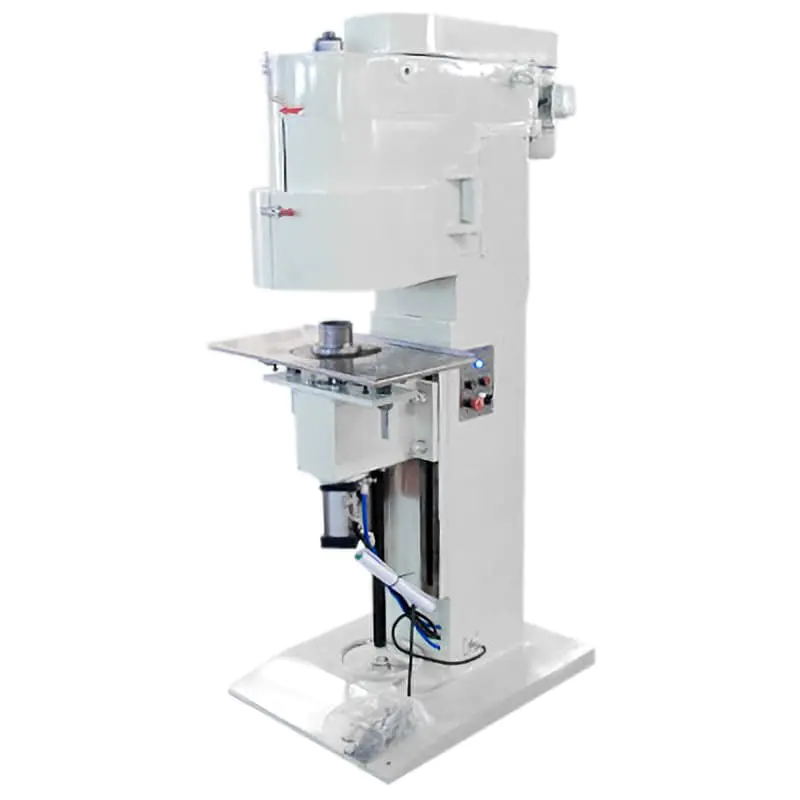


Contact Us