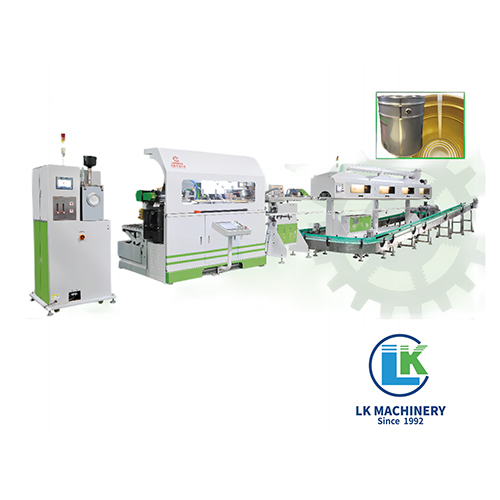
An 18L pail production line is a fully automated manufacturing system engineered specifically for the mass production of 18-liter capacity metal pails. These lines integrate raw material feeding, can forming, welding, coating, drying, expanding, seaming, and quality inspection into a single continuous workflow. By replacing manual labor with automated conveyor systems and robotic operating arms, manufacturers can achieve output rates of 30 to 60 pails per minute while maintaining consistent dimensional tolerances within ±0.5 mm. The primary value proposition is the simultaneous reduction of labor costs by up to 60% and the elimination of human-error defects in critical sealing and welding stages.
Key Process Stages in an 18L Pail Production Line
Modern 18L pail production lines typically follow a seven-stage sequential process. Each stage is designed to handle specific material transformations with precision:
Raw Material Feeding and Decoiling
The process begins with cold-rolled steel or tinplate coils, typically 0.28 mm to 0.35 mm thick. Automated decoiling systems feed the metal into straightening and cutting stations. Servo-driven feeders ensure material utilization rates exceeding 92%, minimizing scrap generation.
Body Forming and Welding
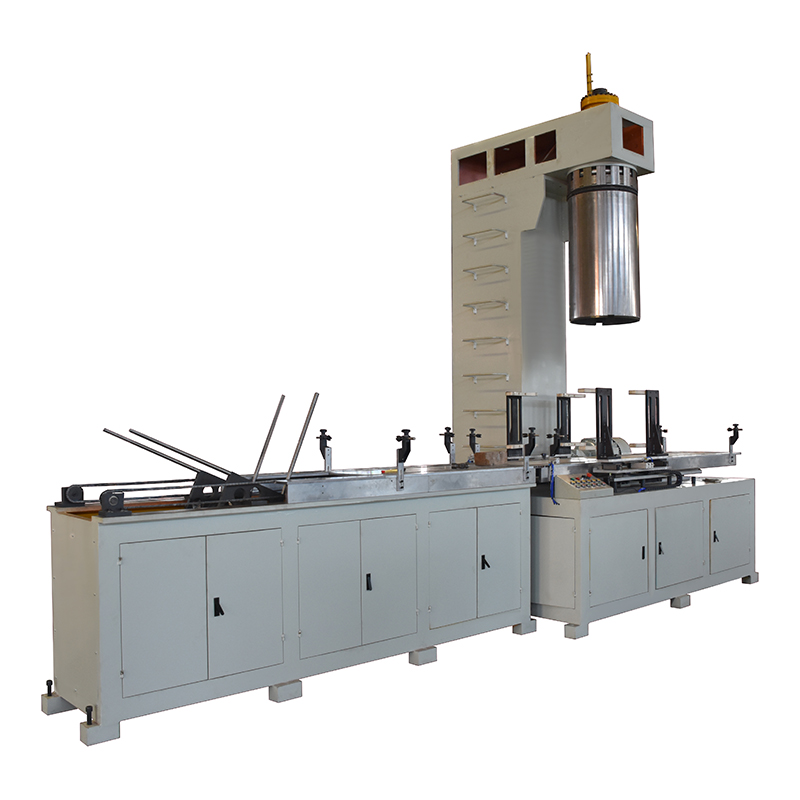
Cut blanks are rolled into cylindrical shapes and joined via high-frequency resistance welding. Weld speeds reach 18 to 25 meters per minute, producing seam strengths that withstand internal pressures up to 150 kPa during leakage testing.
Coating and Drying
Interior and exterior coatings are applied through spray or roller systems. Epoxy phenolic linings, common for chemical resistance, cure in 180°C to 200°C drying ovens for 12 to 15 minutes. UV-curable alternatives reduce this cycle to under 3 minutes for high-throughput lines.
Expanding and Seaming
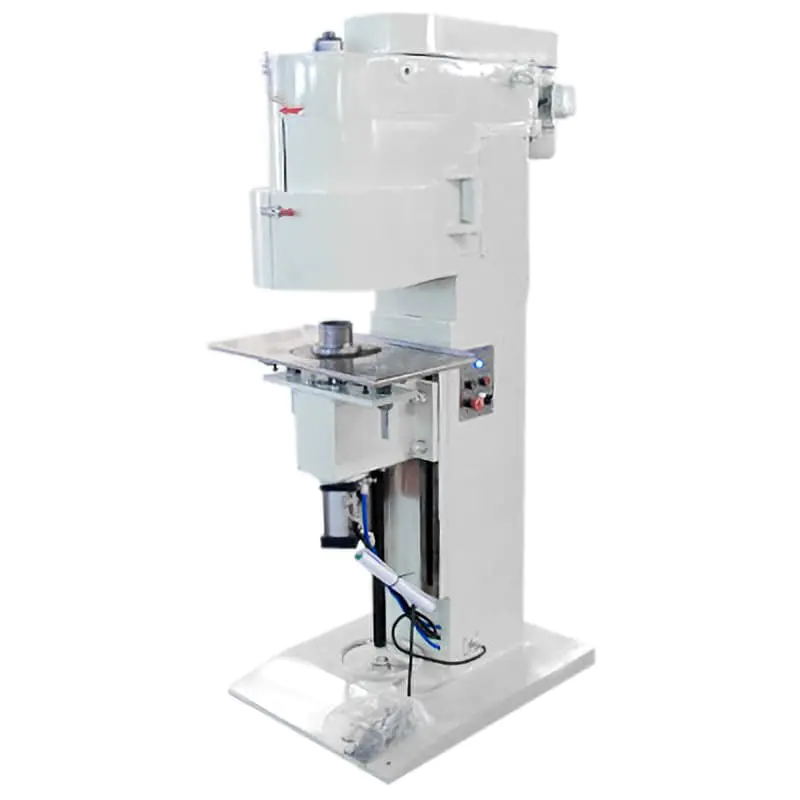
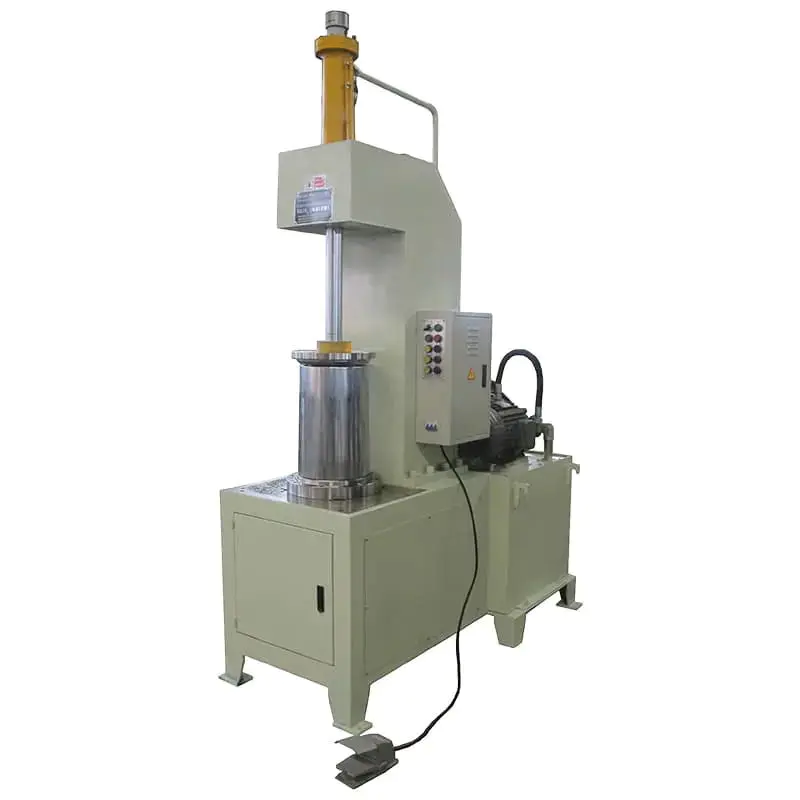
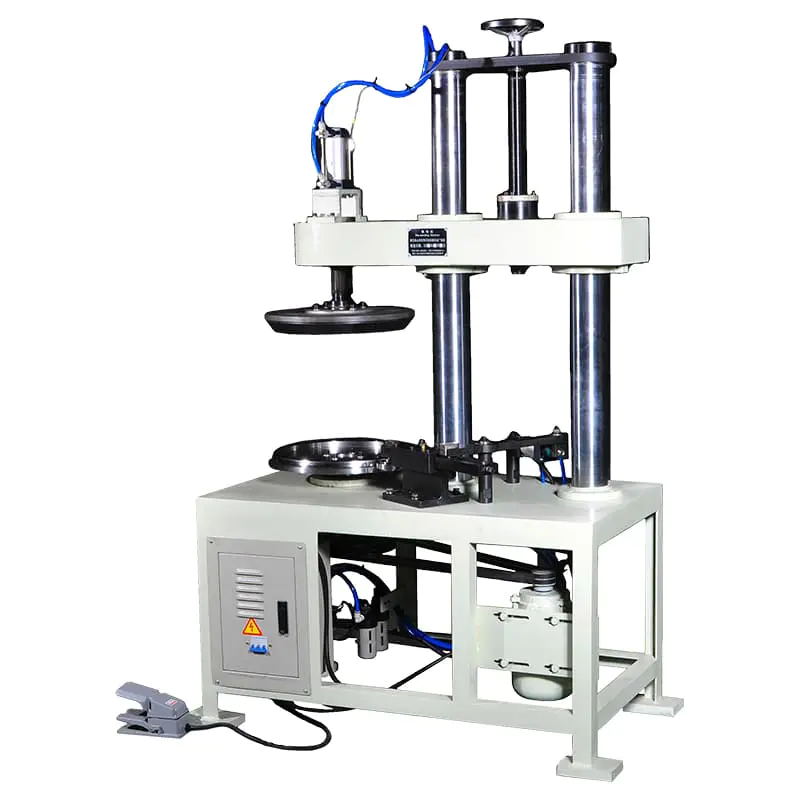
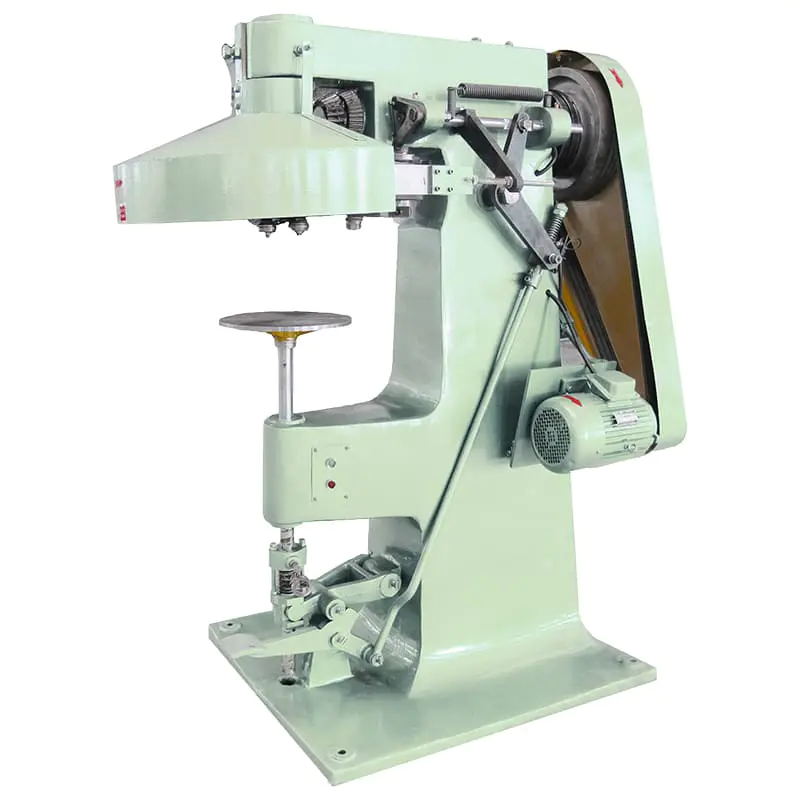
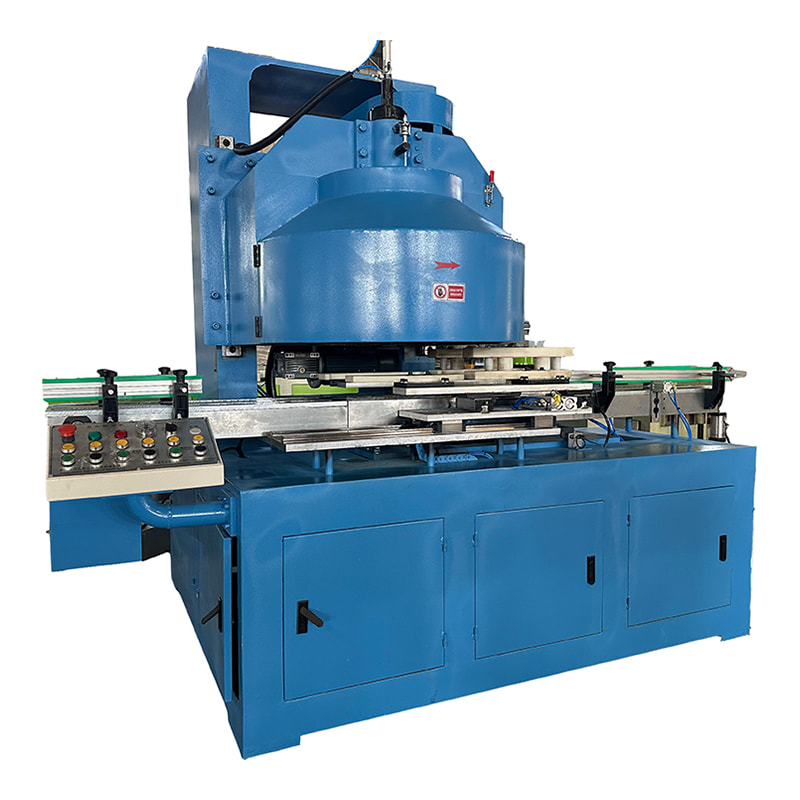
Hydraulic expanding units shape the cylinder to exact 18L volume specifications. Subsequent seaming machines attach the top and bottom lids with double-seam formations measuring 2.8 mm to 3.2 mm in overlap width, ensuring hermetic sealing for liquid containment.
Automation Technologies Driving Efficiency
The competitive advantage of an 18L pail production line lies in its automation architecture. Key technologies include:
- PLC-controlled synchronization: Programmable logic controllers coordinate all stations with timing accuracy within ±0.02 seconds.
- Robotic palletizing arms: Six-axis robots handle finished pails at speeds of 15 to 20 units per minute, reducing end-line labor to zero.
- Vision inspection systems: High-speed cameras detect surface defects, weld gaps, and coating uniformity at 0.1 mm resolution, rejecting non-conforming products automatically.
- Automated conveyor networks: Magnetic or pneumatic transfer systems move pails between stations at 1.2 to 1.8 meters per second without manual intervention.
Industry Applications and Material Specifications
18L pails serve diverse sectors with specific material and design requirements:
Table 1: Industry-Specific 18L Pail Requirements
| Industry |
Typical Contents |
Coating Type |
UN Rating Requirement |
| Chemical |
Solvents, adhesives |
Epoxy phenolic |
UN 1A2/Y1.5/150 |
| Food & Beverage |
Oils, syrups, powders |
Gold lacquer (FDA) |
None |
| Pharmaceutical |
API intermediates |
High-purity epoxy |
UN 1A2/X1.5/300 |
| Paints & Coatings |
Latex, alkyd resins |
Phenolic lining |
UN 1A2/Y1.5/100 |
Production lines must be configurable to switch between these specifications with changeover times under 45 minutes to remain economically viable for contract manufacturers.
Economic Impact and Return on Investment
Capital investment for a complete 18L pail production line ranges depending on automation level and throughput capacity. However, operational savings generate rapid payback:
- Labor reduction: A fully automated line replaces 12 to 18 manual operators per shift.
- Scrap rate decrease: Automated quality control reduces material waste from 8% to under 2%.
- Energy efficiency: Modern servo-driven systems consume 25% less electricity than conventional pneumatic lines.
- Throughput increase: Output scales from 5,000 to 15,000 pails per 8-hour shift based on line configuration.
Most manufacturers achieve full ROI within 24 to 36 months when operating at 75% capacity utilization.
Quality Assurance and Compliance Standards
18L pails destined for hazardous materials must comply with international transport regulations. Production lines incorporate inline testing stations that verify:
- Drop testing: Sample pails are dropped from 1.2 meters onto concrete to validate seam integrity.
- Hydrostatic pressure testing: Each pail withstands 30 kPa internal pressure for 5 minutes without leakage.
- Stacking load verification: Pails must support 250 kg vertical load for 24 hours without deformation.
- Coating adhesion testing: Cross-hatch tests confirm 0% coating detachment per ASTM D3359.
Automated data logging systems record every test parameter, generating batch traceability reports required for UN certification and ISO 9001 audits.
Future Trends in 18L Pail Manufacturing
The next generation of 18L pail production lines is evolving toward three strategic directions:
Smart Manufacturing Integration
IoT-enabled sensors monitor vibration, temperature, and energy consumption in real time. Predictive maintenance algorithms reduce unplanned downtime by up to 40% by forecasting component failures before they occur.
Sustainable Material Processing
Water-based coating systems are replacing solvent-based alternatives, reducing VOC emissions by over 85%. Additionally, lines are being adapted to process recycled steel with up to 30% post-consumer content without compromising structural integrity.
Modular and Scalable Design
Manufacturers now favor modular line architectures where individual stations can be added or removed. This allows capacity scaling from 20 to 60 pails per minute without replacing the entire infrastructure, protecting capital investment against demand fluctuations.


 +86 13666712509

 English
 русский
 عربى
عربى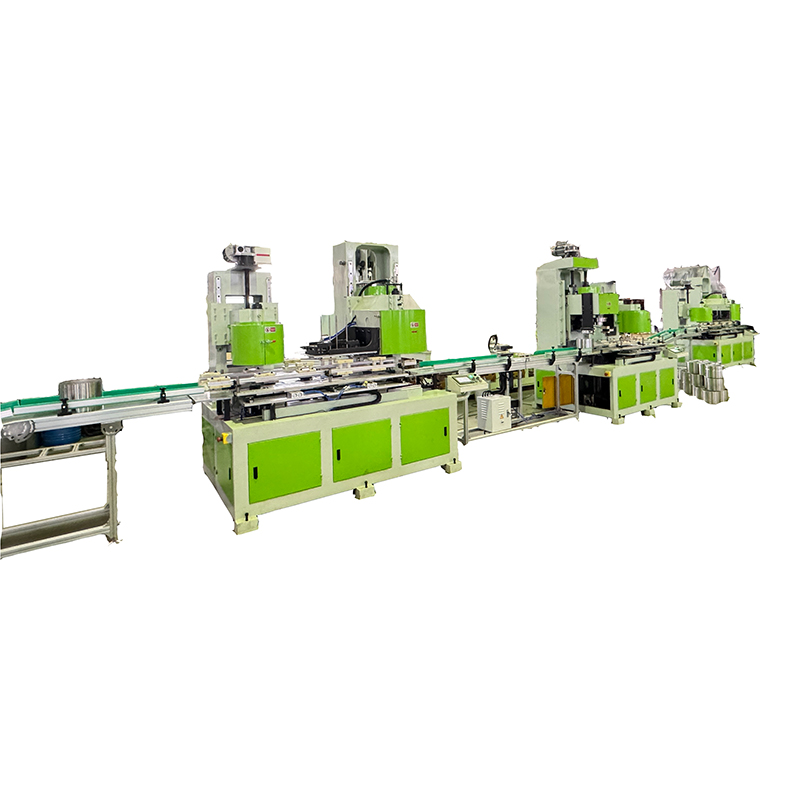


Contact Us