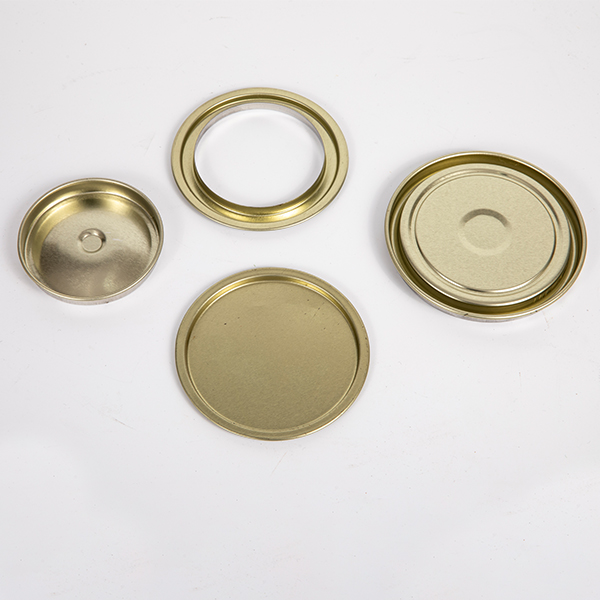
An efficient can lid production line combines high automation, precision mold systems, inline quality inspection, and low defect rates to maximize output while minimizing waste and labor costs. The most productive lines process upwards of 400–600 lids per minute with defect rates below 0.5%, enabled by automated control systems that monitor dimensional accuracy and seaming performance at every stage. If you are sourcing a line for food, beverage, pharmaceutical, or chemical packaging, those are the benchmarks to hold suppliers to.
Core Stages of a Can Lid Production Line
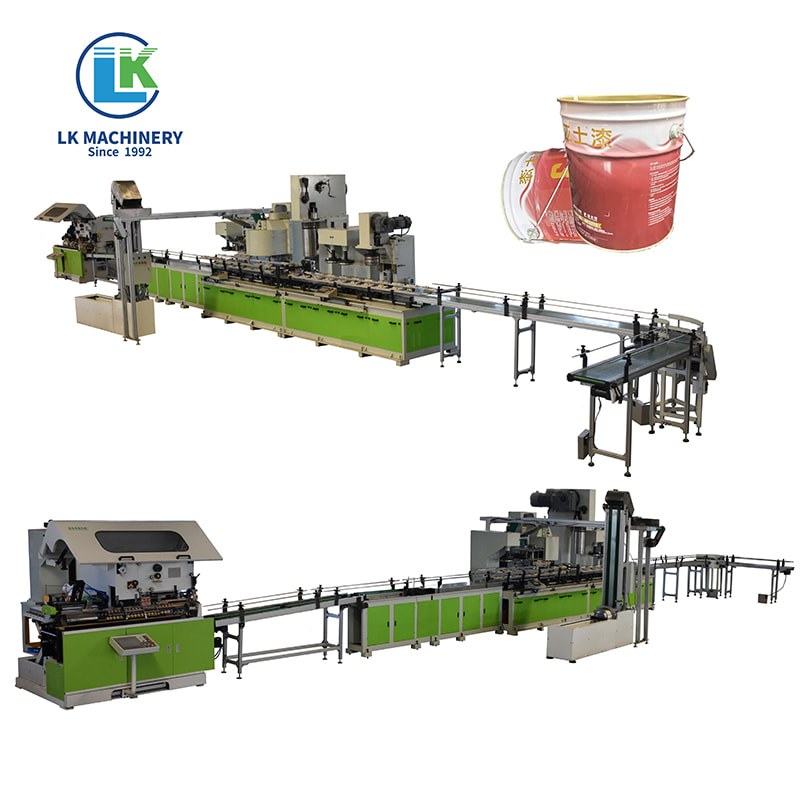
Before evaluating any line, understand what it must do. A complete can lid (ends) production line typically covers these sequential processes:
- Raw material feeding and transportation — coil or sheet feeding with consistent tension control
- Blanking and cutting — high-speed cutting to the exact lid diameter
- Forming and stamping — shaping the lid panel and curl
- Glue (compound) injecting and drying — sealing compound applied precisely to the curl channel
- Online inspection — dimensional checks and appearance verification
- Collecting and packaging — automated stacking and wrapping for shipment
Any gap or bottleneck in these stages reduces overall line efficiency (OEE). Evaluate each stage when comparing suppliers.
Automation Level: The Single Biggest Efficiency Driver
The degree of automation directly determines labor cost and throughput consistency. A fully automated line requires as few as 2–3 operators compared to 8–12 for a semi-automated equivalent at the same output volume. Look for these automation indicators:
- PLC (Programmable Logic Controller) or servo-driven control system with touchscreen HMI
- Automatic fault detection and line stop on abnormal readings
- Integrated counting and stacking without manual intervention
- Auto-lubrication systems for molds and mechanical components
- Remote monitoring capability for real-time production data
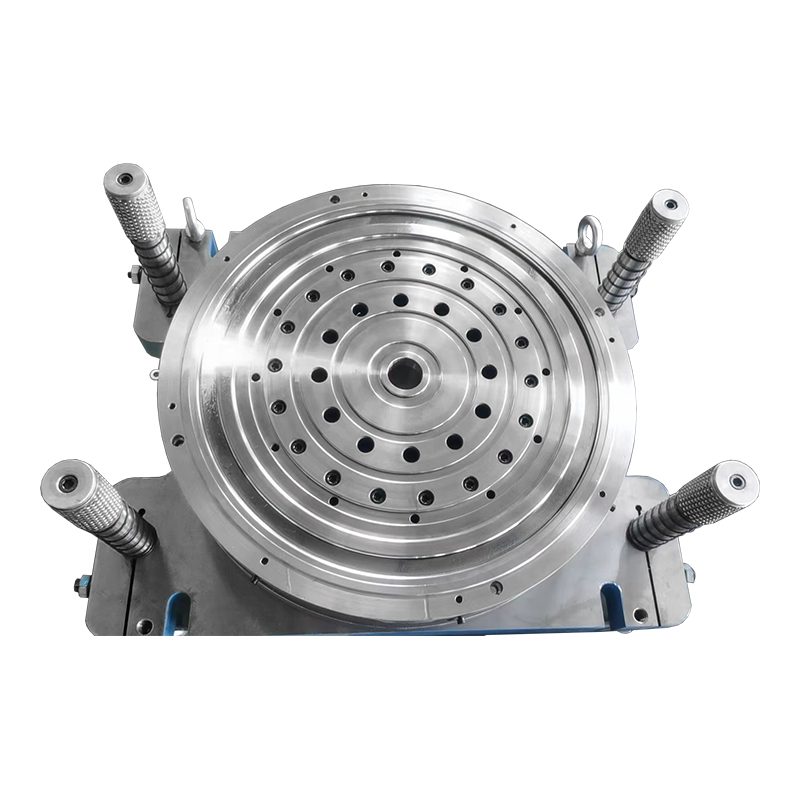
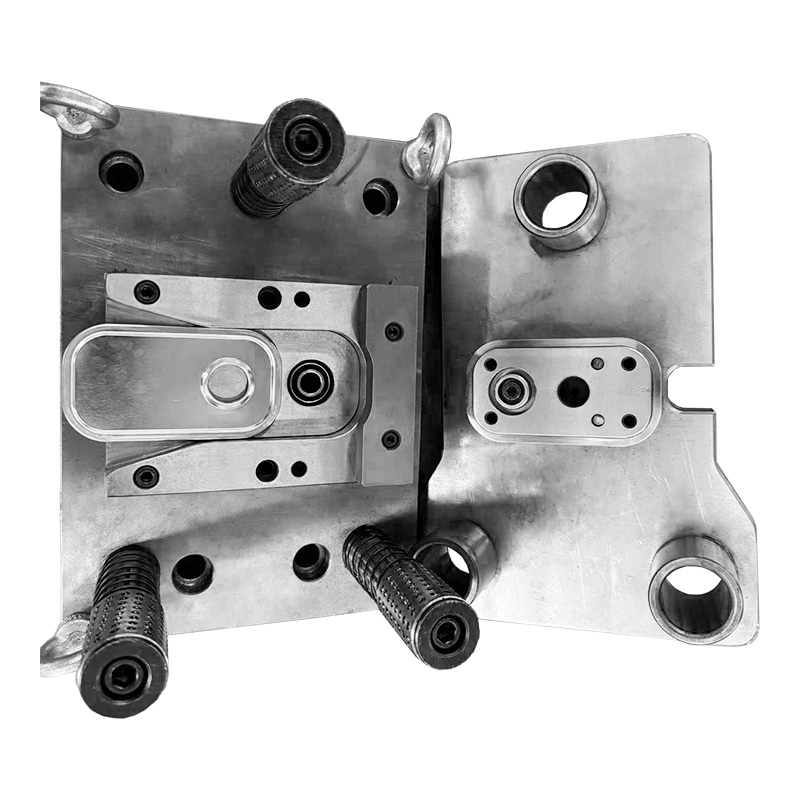
Mold Precision: The Foundation of Product Quality
Can lids must meet strict dimensional tolerances to achieve reliable double-seaming with can bodies. A precision mold system typically holds tolerances within ±0.05 mm for critical dimensions such as curl height, panel radius, and countersink depth. When assessing mold quality:
- Ask for material specifications — high-grade tool steel (e.g., SKD-11 or equivalent) ensures longer mold life
- Request documented mold service life — quality molds typically last 30–50 million strokes before replacement
- Confirm compatibility with your target lid diameters (common sizes: 200, 202, 206, 300, 401)
Key Performance Metrics to Compare Across Suppliers
| Metric |
Entry-Level Line |
Mid-Range Line |
High-Speed Line |
| Output (lids/min) |
100–200 |
250–400 |
400–600+ |
| Defect Rate |
<2% |
<1% |
<0.5% |
| Operators Required |
6–10 |
3–5 |
2–3 |
| Changeover Time |
2–4 hours |
1–2 hours |
<1 hour |
Comparative performance benchmarks for can lid production lines by tier
Inline Quality Inspection: Non-Negotiable for Food and Pharma
For food, beverage, and pharmaceutical applications, an online inspection system is essential — not optional. It should automatically detect and reject lids with:
- Dimensional deviations outside tolerance
- Insufficient or misapplied sealing compound
- Surface scratches, cracks, or deformations
- Incorrect curl or countersink profile
Vision-based systems using CCD cameras offer faster and more consistent inspection than manual checking. Confirm that the system generates production logs that support traceability requirements under food safety standards such as ISO 22000 or FSSC 22000.
Compatibility with Materials and Lid Types
A versatile line should handle multiple materials and lid formats. Confirm the following before purchasing:
- Material compatibility: tinplate, aluminum, or electrolytic chromium-coated steel (ECCS), in thicknesses typically from 0.18 mm to 0.36 mm
- Lid diameter range: whether the line handles a single size or can switch between multiple diameters
- End type: easy-open ends (EOE), full-open ends, or standard lids depending on your product packaging requirements
- Industry suitability: chemical-grade lines may not require food-safe sealing compounds, so match the spec to your application
After-Sales Support and Spare Parts Availability
A production line is a long-term capital investment. Downtime costs in high-volume can manufacturing can exceed $5,000 per hour, making supplier support as important as the machine's initial specifications. Evaluate suppliers on:
- On-site installation and commissioning included in the contract
- Availability of critical spare parts with guaranteed delivery within 48–72 hours
- Remote diagnostics access for fast fault resolution
- Training program for operators and maintenance technicians
- Warranty period of at least 12 months on major components


 +86 13666712509

 English
 русский
 عربى
عربى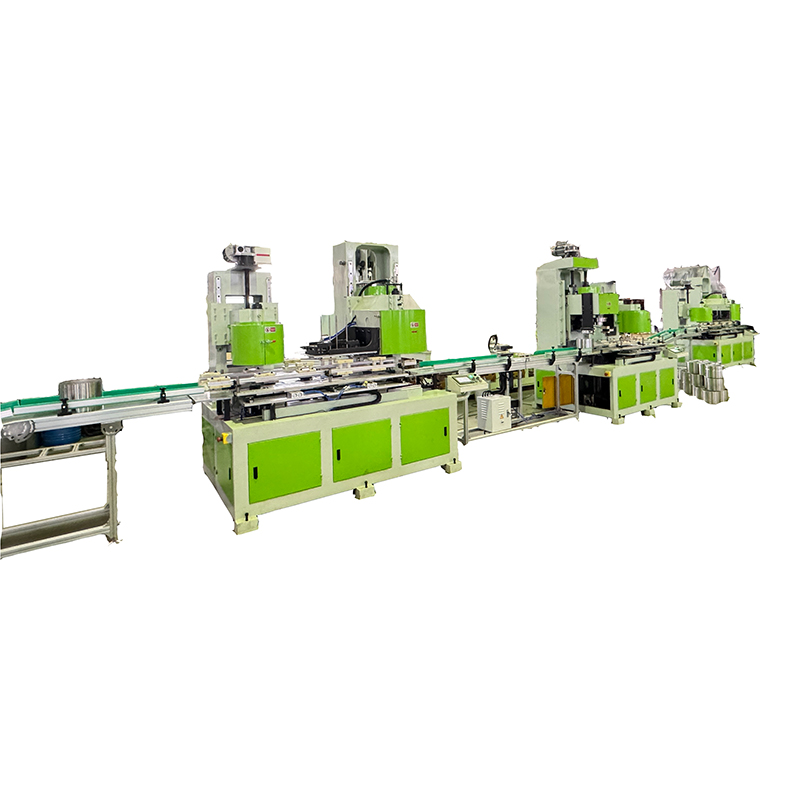


Contact Us