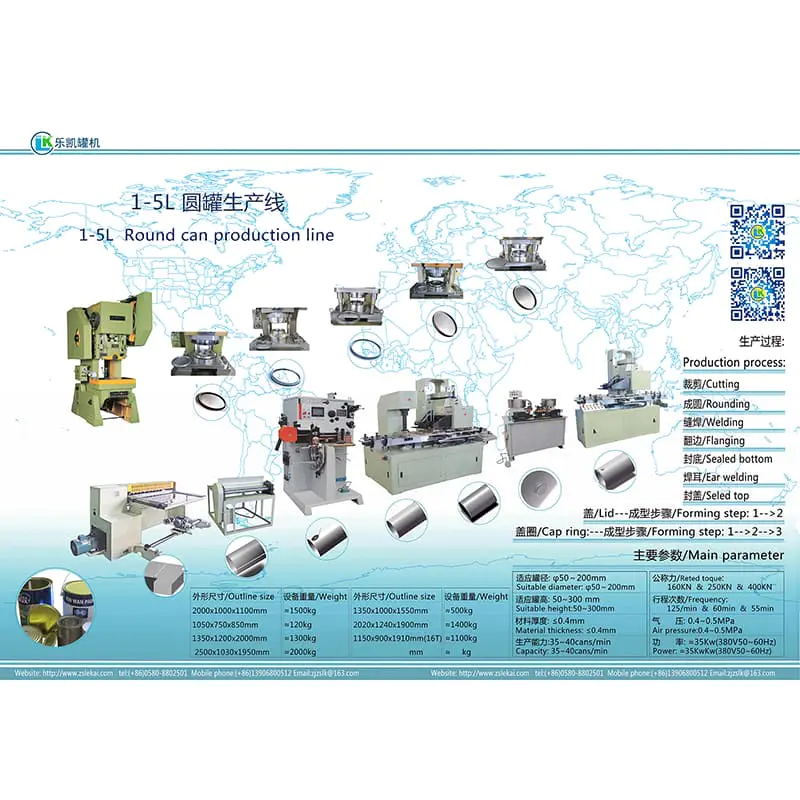
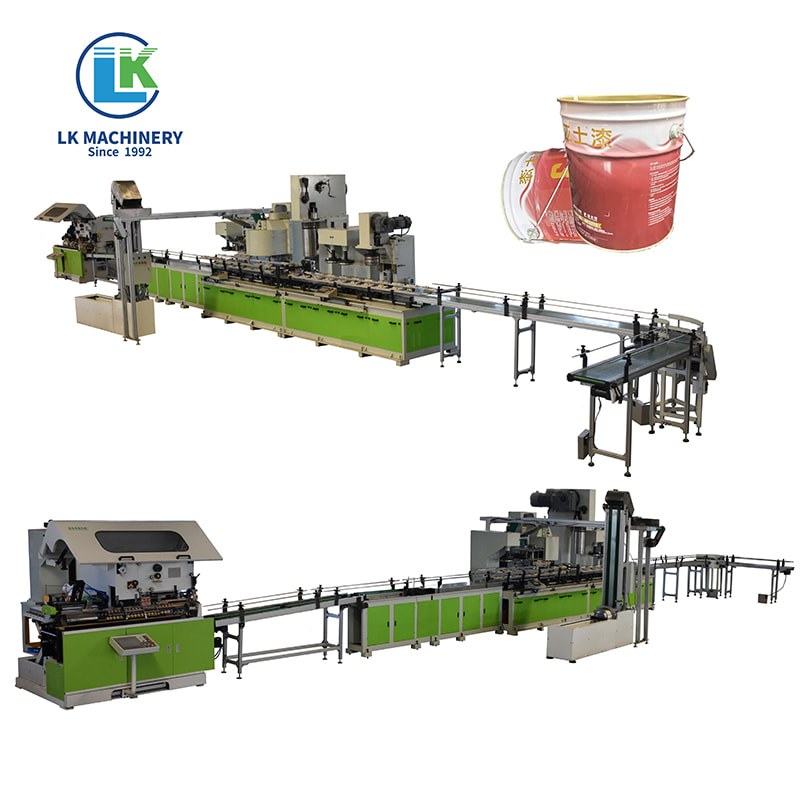
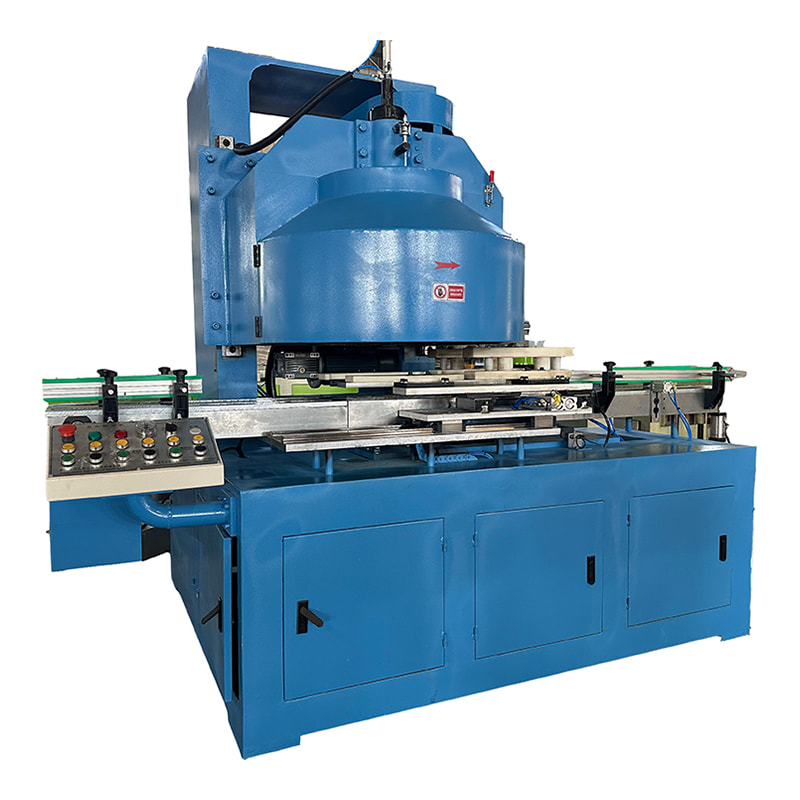
A vacuum cleaner pail production line is an automated manufacturing system specifically designed to produce the metal pail body (dust canister or collection container) used in wet-dry vacuum cleaners, industrial shop vacuums, and commercial vacuum systems. The line integrates multiple sequential fabrication processes — sheet metal forming, seam welding, coating, expansion, seaming, and quality inspection — into a continuous automated workflow that produces finished pail bodies at high volume with consistent dimensional accuracy and structural integrity.
Unlike general-purpose pail or drum production lines, a vacuum cleaner pail line is configured to the specific geometry, tolerance requirements, and surface finish standards of vacuum canister bodies — which must maintain an airtight seal with motor and filter housings across repeated assembly and disassembly cycles throughout the product's service life.
Core Production Stages of a Vacuum Cleaner Pail Line
Stage 1: Raw Material Feeding
The line begins with a coil feeding system that unwinds flat sheet metal — typically galvanized steel, electrolytic tinplate, or cold-rolled steel of 0.3 to 0.8 mm thickness — and feeds it at controlled tension into the forming section. Precise tension and edge guide systems ensure that each blank enters the forming station with consistent alignment, preventing dimensional variation that would affect downstream seaming accuracy.
Stage 2: Pail Body Forming
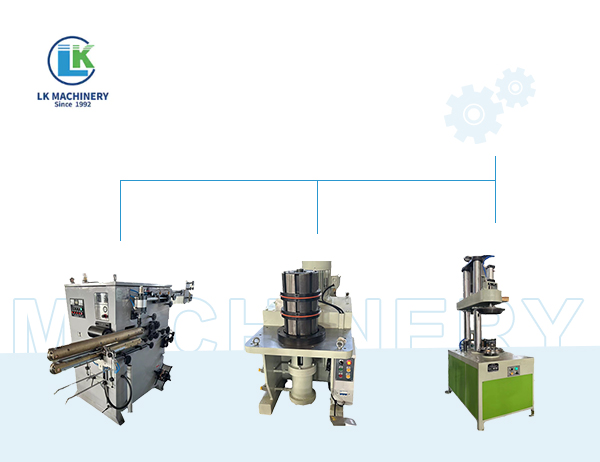
Pre-cut or in-line blanked sheet metal is formed into a cylindrical body using a body-making machine. The flat blank is rolled and the longitudinal edges are brought together to form the side seam. For vacuum cleaner pails — which often have slightly tapered (conical) body profiles to allow stacking — the forming tooling is matched to the specific taper angle required by the product design.
Stage 3: Seam Welding
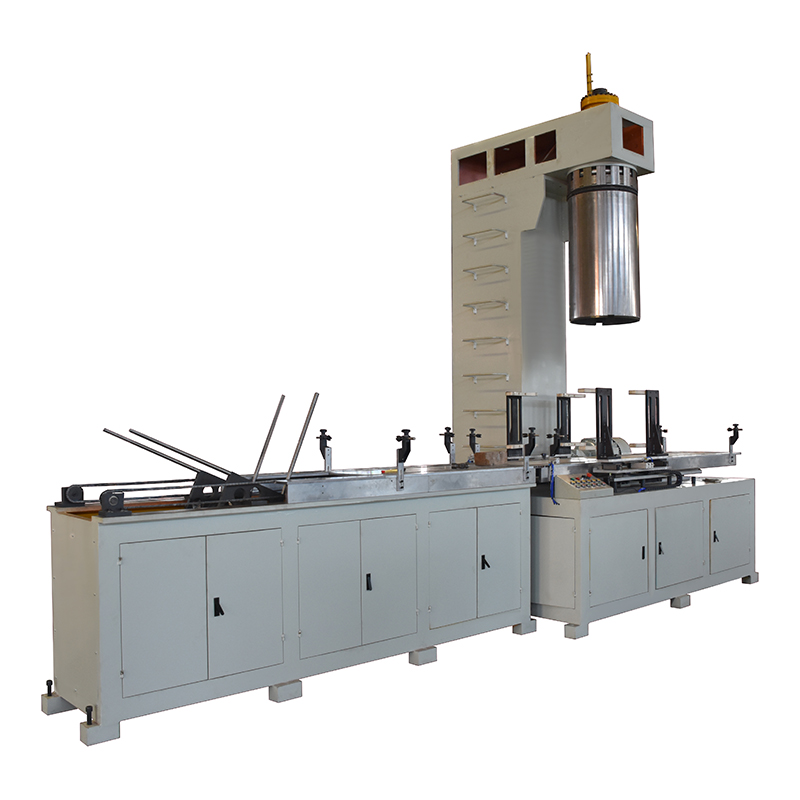
The longitudinal body seam is joined by electric resistance seam welding — a process that passes high current through overlapping metal edges via copper wheel electrodes, creating a continuous, leak-free weld at high speed. For vacuum pail applications, the weld must be hermetically sound and smooth on the interior surface to prevent debris accumulation and facilitate cleaning. Weld speed on automated lines typically reaches 30 to 80 meters per minute.
Stage 4: Coating and Surface Treatment
After welding, the pail body is cleaned and passes through a coating station. Interior coating is applied to prevent rust in wet-dry vacuum applications where liquid debris is collected. Exterior coating provides the decorative finish, corrosion protection, and — in consumer product applications — the color and texture specified by the vacuum cleaner manufacturer. Coatings are typically applied by spray or roller systems and cured in a pass-through oven.
Stage 5: Expansion
The expansion station uses a mechanical or pneumatic expanding head to precisely calibrate the internal diameter of the pail body to the required dimension. This step is critical in vacuum cleaner pail production because the pail body must interface with motor housing components and lid assemblies to precise tolerances — typically ±0.2 to ±0.5 mm on the body diameter — to ensure consistent vacuum sealing in the finished product.
Stage 6: End Seaming
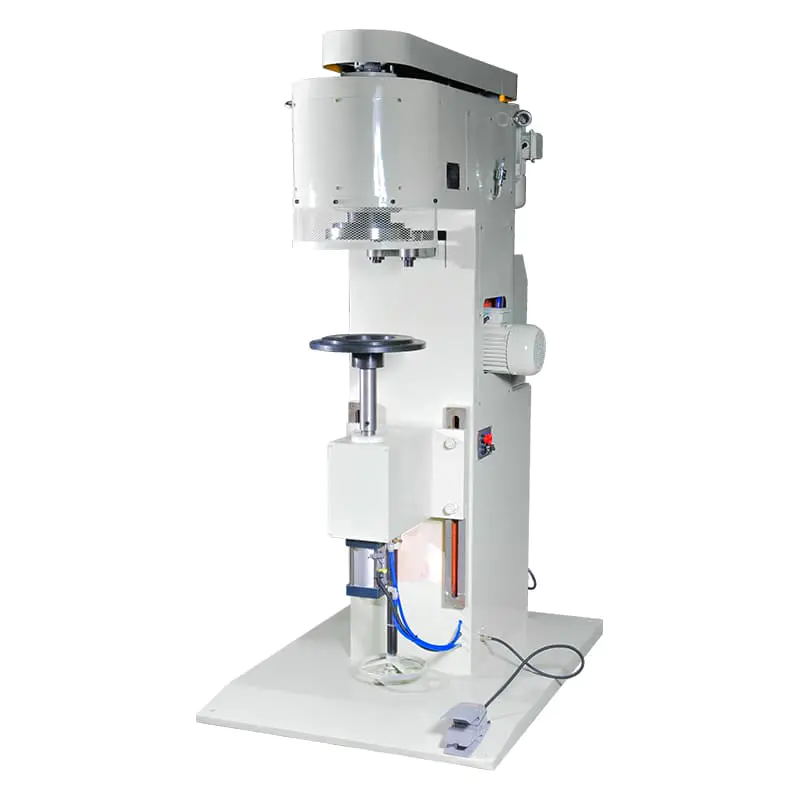
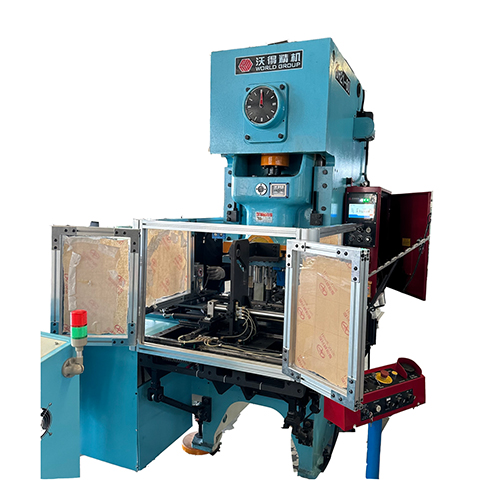
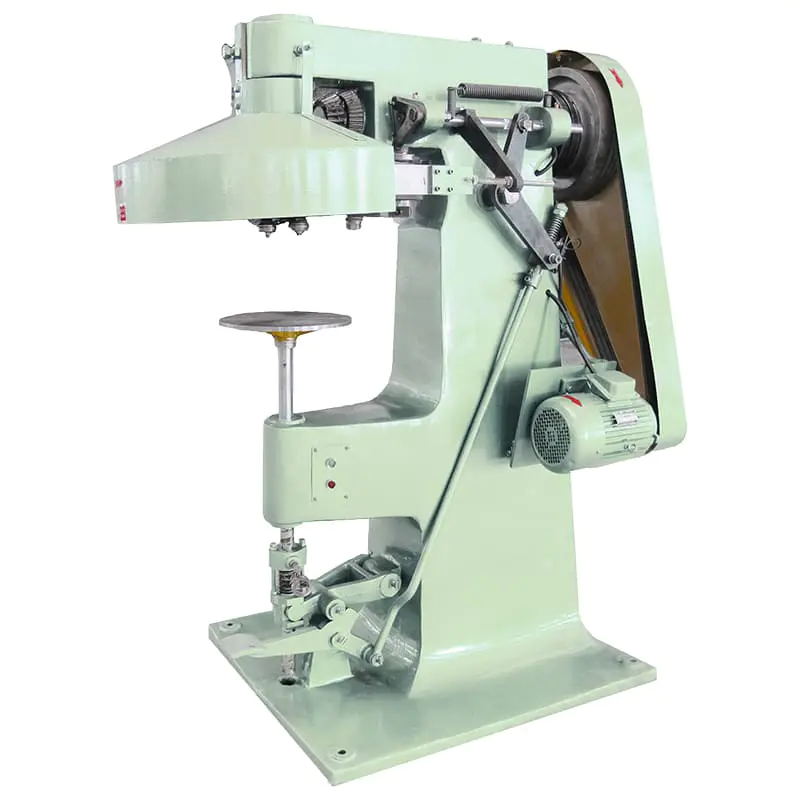
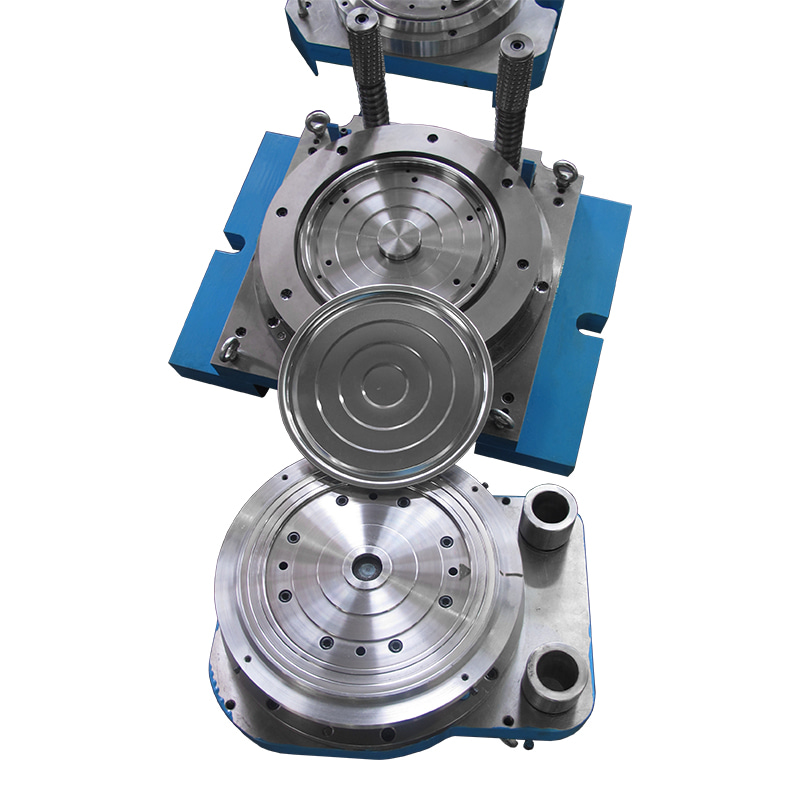
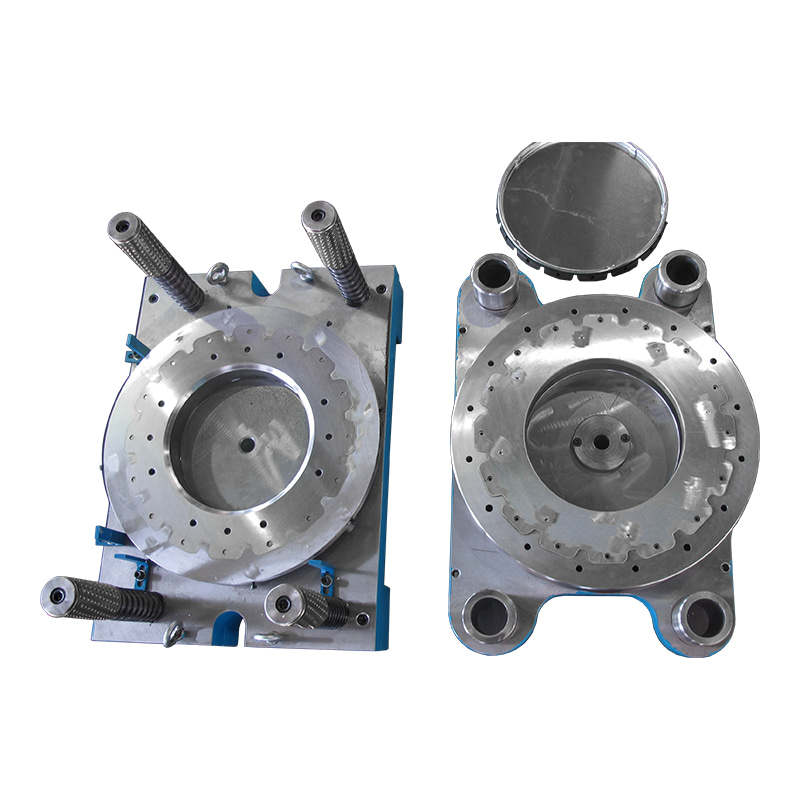
The bottom end panel — pressed separately from flat stock — is double-seamed onto the body using a seaming machine. The double-seam creates a mechanical interlock between the end flange and body edge that is both structurally rigid and liquid-tight. For open-top pails (those without a fixed top end), the top edge receives a curled or flanged finish that provides the interface surface for lid or motor-housing gasket sealing.
Stage 7: Automated Inspection and Stacking
Finished pail bodies are conveyed through a quality inspection zone where dimensional gauging, surface defect detection cameras, and leak-test stations verify conformance to specification. Robotic unloading arms sort and stack conforming pails onto pallets or conveyors for delivery to vacuum cleaner assembly lines. Non-conforming units are diverted automatically for rejection or rework.
Key Technical Requirements Specific to Vacuum Cleaner Pail Bodies
Critical manufacturing parameters for vacuum cleaner metal pail bodies
| Parameter |
Typical Specification |
Why It Matters for Vacuum Application |
| Body diameter tolerance |
±0.2–0.5 mm |
Ensures consistent fit with motor housing and lid gasket |
| Body height tolerance |
±0.5–1.0 mm |
Controls liquid capacity and filter housing clearance |
| Weld seam integrity |
Zero porosity; hermetic seal |
Prevents vacuum leakage through body seam during operation |
| Interior surface finish |
Smooth; corrosion-resistant lining |
Facilitates cleaning; prevents rust from wet debris collection |
| Top flange profile |
Curl/flange to OEM specification |
Provides sealing surface for motor head gasket or lid |
Automation Technologies Used on Modern Pail Production Lines
- Robotic operating arms: Handle pail bodies at the expansion, seaming, and stacking stations — eliminating operator contact with sharp-edged sheet metal components and enabling continuous 24-hour operation without manual fatigue limitations.
- Automated conveyor systems: Link each production stage with variable-speed conveyors that buffer between stations, smoothing out speed differences and preventing bottlenecks that would otherwise require operator intervention.
- Vision inspection systems: High-speed cameras inspect exterior coating, surface defects, and dimensional geometry on every pail at full line speed — catching defects that manual inspection would miss at production volumes of several hundred units per hour.
- PLC-based process control: Programmable logic controllers monitor and adjust welding parameters, expansion force, seaming pressure, and coating thickness in real time — maintaining consistent output quality across production shifts and material batch changes.
Who Uses Vacuum Cleaner Pail Production Lines
These production lines are operated by:
- Vacuum cleaner manufacturers that produce the complete appliance and require in-house pail body fabrication to control quality, cost, and lead time.
- Metal can and pail contract manufacturers that supply OEM pail bodies to multiple vacuum cleaner assembly operations as a sub-supply tier.
- Replacement parts suppliers that produce after-market pail bodies compatible with popular wet-dry vacuum models for the service and repair market.


 +86 13666712509

 English
 русский
 عربى
عربى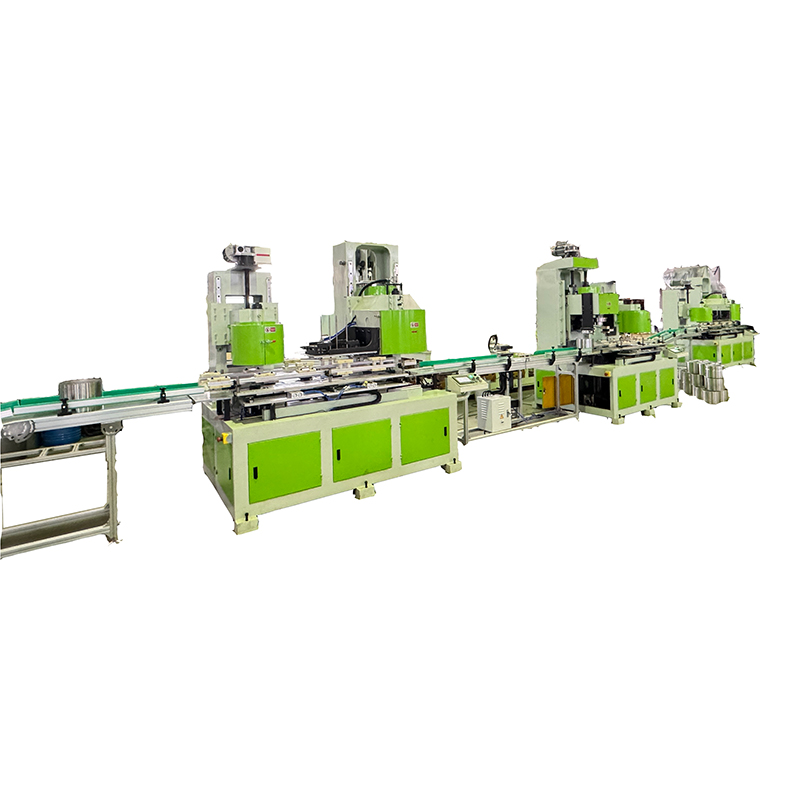

Contact Us