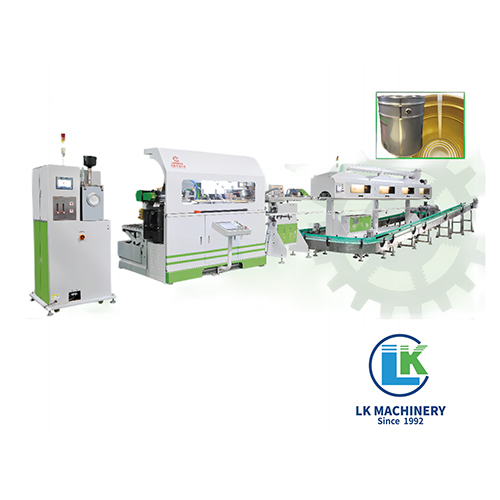
A 200L barrel production line is an automated manufacturing system purpose-built to produce 200-liter (approximately 55-gallon) industrial drums — the global standard container for bulk liquid storage and transportation in the chemical, petroleum, food, and beverage industries. Its purpose is to manufacture large-capacity steel or plastic drums at scale with consistent dimensional accuracy, structural integrity, and surface quality, meeting the strict regulatory standards required for storing and transporting hazardous and non-hazardous substances internationally.
A single automated 200L barrel production line can produce 200 to 600 barrels per hour depending on configuration — output levels that manual or semi-manual fabrication methods cannot approach economically or consistently.
Why the 200L Barrel Is the Industry Standard
The 200-liter drum became the dominant bulk container format due to a combination of practical factors that have remained valid across more than a century of industrial logistics:
- Handling weight: A full 200L drum of water-density liquid weighs approximately 200 kg — at the upper limit of two-person manual handling and within the capacity range of standard drum handling equipment (drum trucks, rotators, palletizers).
- Pallet compatibility: Four 200L drums fit on a standard 1,200 × 1,000 mm pallet — a configuration that maximizes truck and container loading density within standard logistics infrastructure.
- Regulatory recognition: The 200L drum is the reference container in UN hazardous materials transport regulations (UN certified drums), enabling global shipment of classified chemicals, fuels, and solvents without container format barriers.
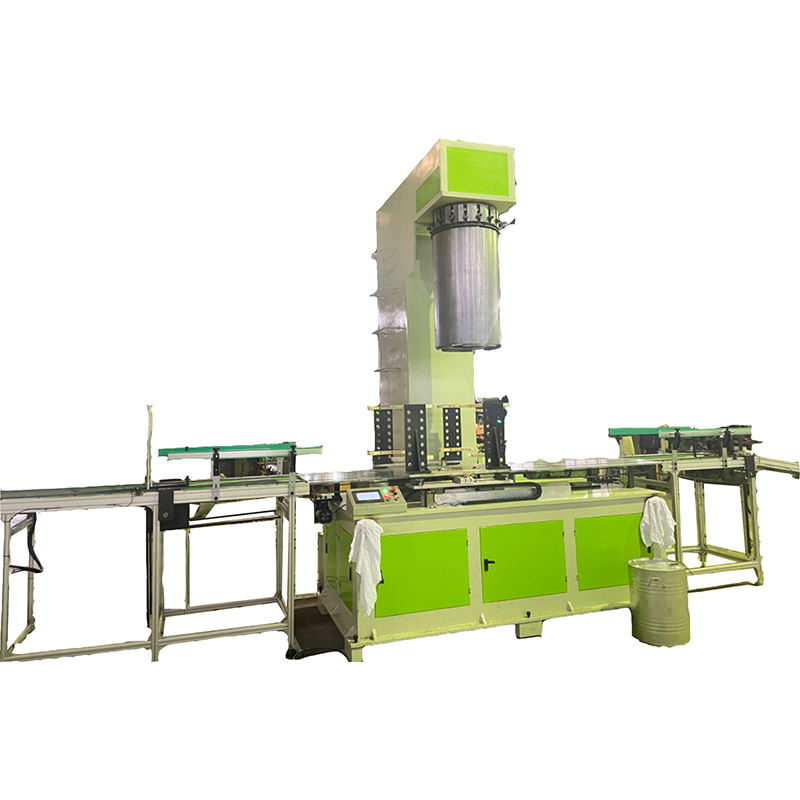
Core Production Stages of a 200L Barrel Line
Steel Blank Feeding and Body Forming
The process begins with flat steel coil or pre-cut blanks — typically cold-rolled steel of 0.8 to 1.2 mm thickness for standard industrial drums, or up to 1.5 mm for UN-certified heavy-duty drums. The blank is fed into a cylinder forming machine that rolls it into a tubular body and locks the seam for welding. Dimensional precision at this stage determines the roundness and height consistency of the finished barrel.
Body Seam Welding
The longitudinal seam of the barrel body is welded using resistance seam welding or laser welding. The weld must achieve full penetration and meet leak-tight standards without creating stress concentrations that could propagate into cracks during repeated filling and emptying. Automated weld quality monitoring systems check seam consistency in real time.
Beading and Rolling
The barrel body passes through beading rollers that press circular ribs (beads) into the cylindrical wall. These circumferential beads serve two purposes: they significantly increase the hoop strength and crush resistance of the thin-walled cylinder, and they provide gripping points for drum handling equipment. Standard 200L drums typically feature 3 to 5 beads spaced evenly along the barrel height.
End Pressing and Seaming
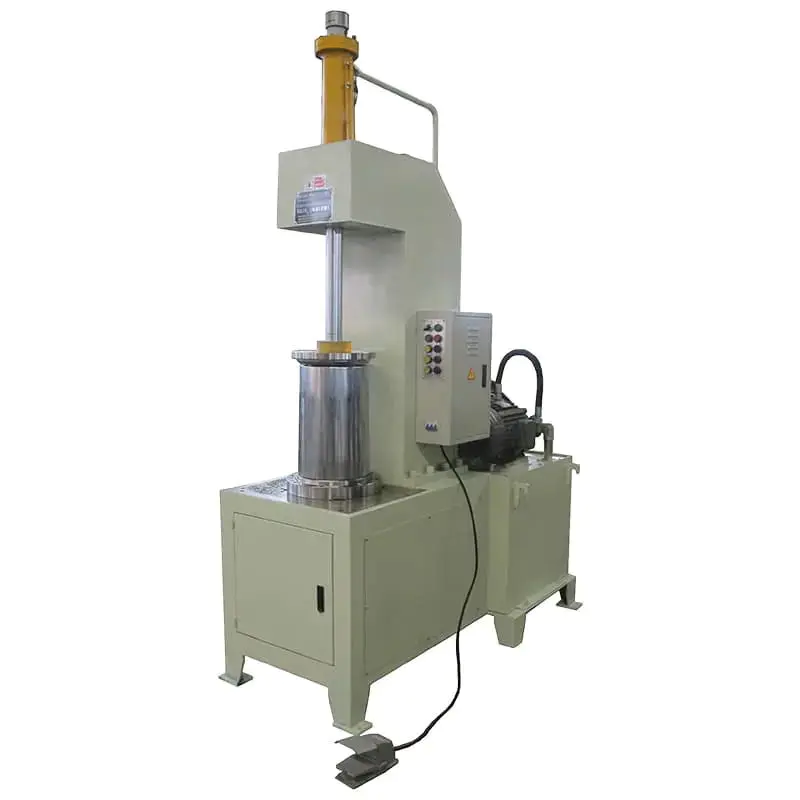
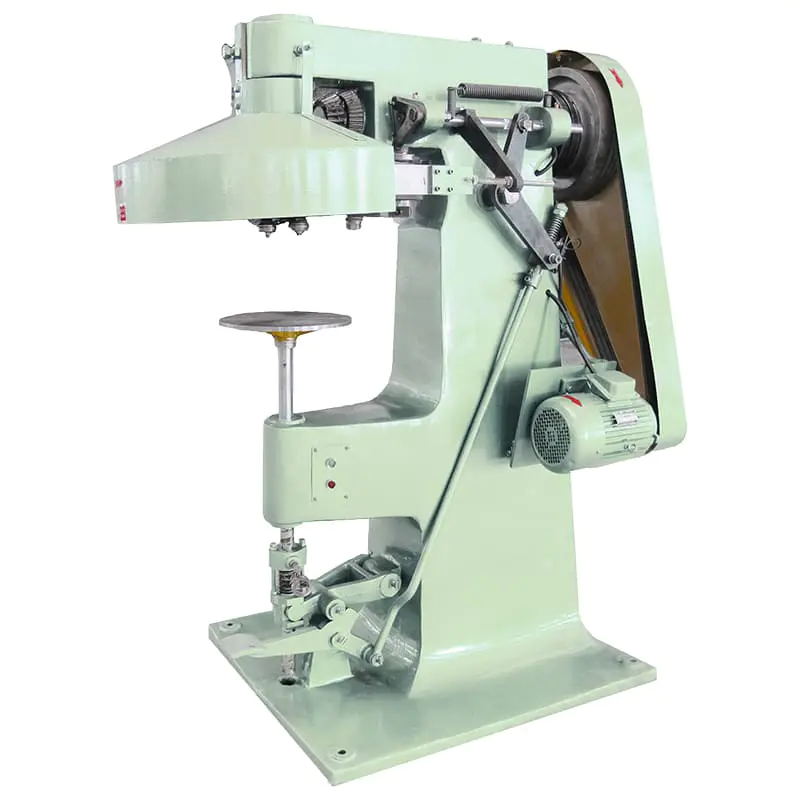
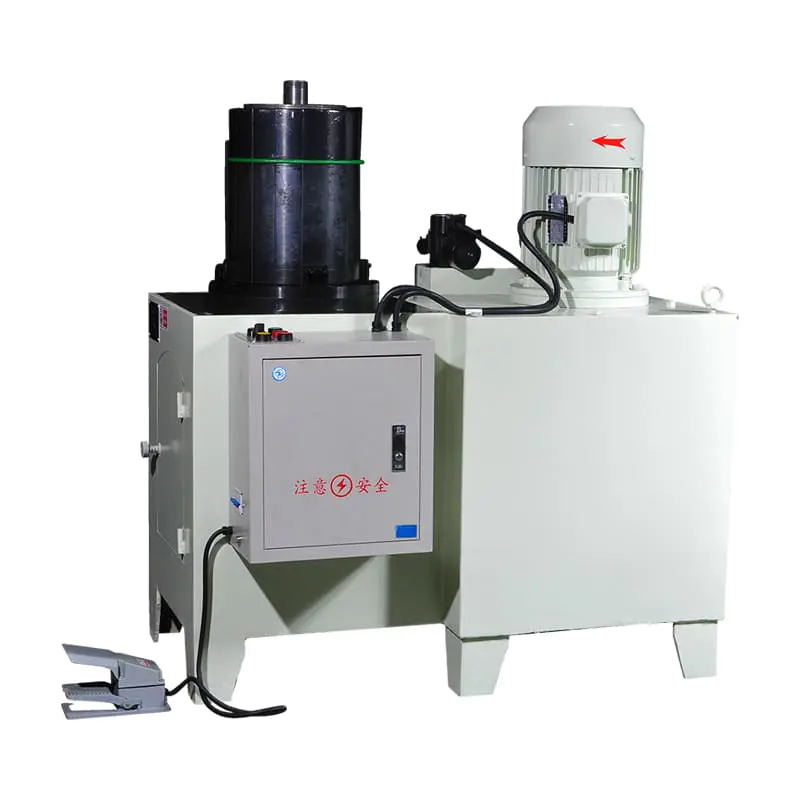
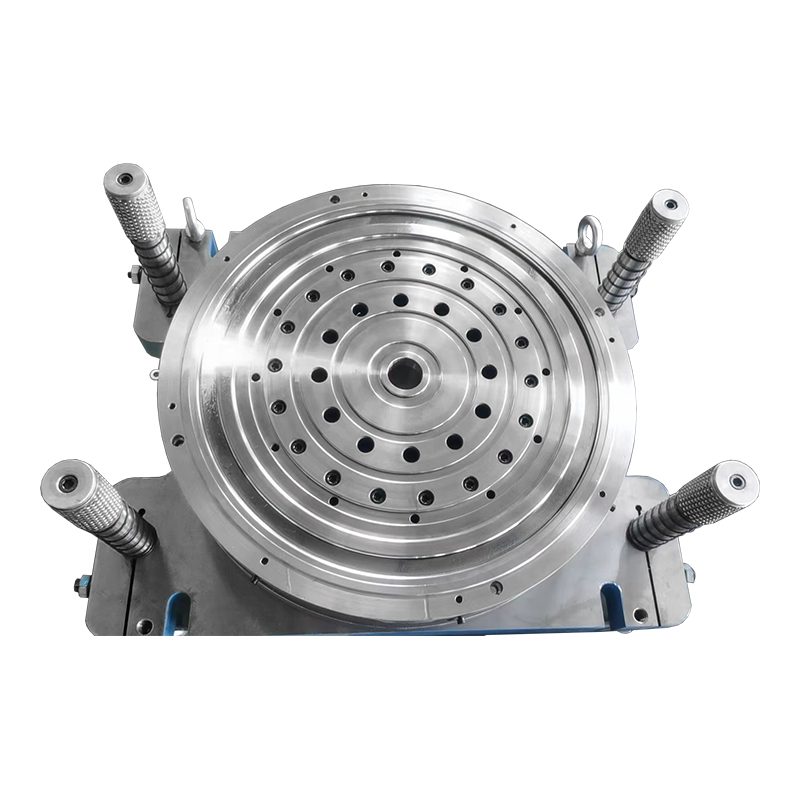
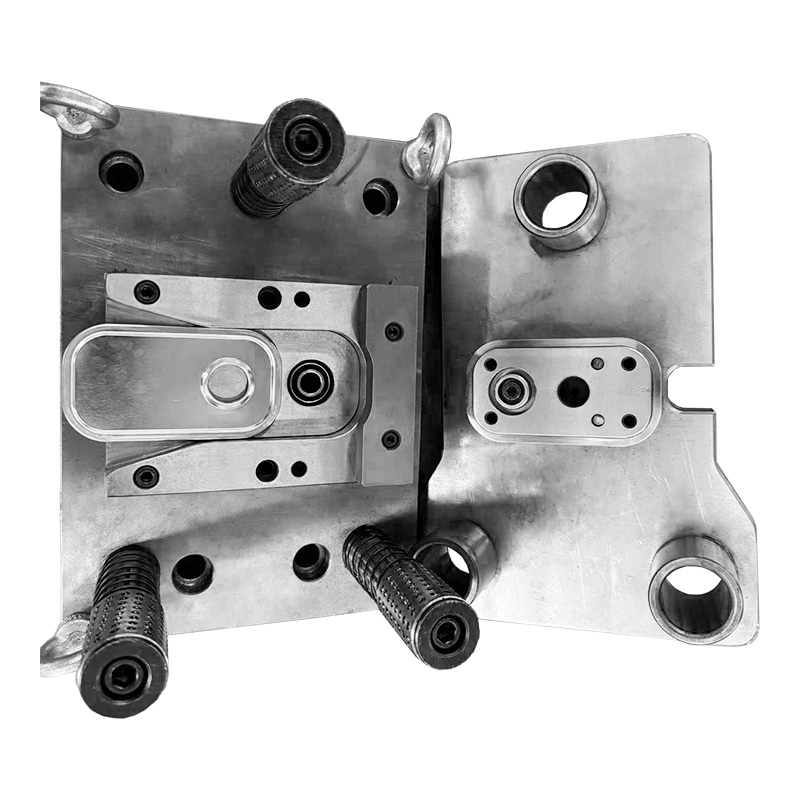
The top and bottom end panels are pressed from flat steel blanks using hydraulic presses equipped with dies matched to the barrel diameter. The ends are then seamed (double-seamed) onto the barrel body using seaming machines that form a mechanical interlock between the end flange and body edge — the same seaming principle used in can manufacturing, but scaled to 200L drum dimensions. A quality seam provides both mechanical strength and liquid-tight sealing without gasket material.
Coating and Surface Treatment
After forming, drums pass through a cleaning and pretreatment section (alkaline wash, phosphating) before entering an automated spray coating or powder coating system. Interior lining — epoxy, phenolic, or zinc-rich coating — is applied for drums intended for corrosive, food-grade, or moisture-sensitive contents. Exterior paint is applied in customer-specified colors and may include printed or stenciled identification markings.
Leak Testing and Quality Inspection
Every drum undergoes pneumatic leak testing — pressurized with air and submerged or tested with leak detection instruments — before leaving the production line. Dimensional checks confirm body height, diameter, and bung location. For UN-certified drums, periodic drop tests, stack tests, and hydraulic pressure tests are performed on production samples to maintain certification.
Industries Served by 200L Barrel Production Lines
Industries that depend on 200L drums and their specific content requirements
| Industry |
Typical Contents |
Key Drum Requirement |
| Chemical industry |
Solvents, resins, acids, base chemicals |
UN certification; chemical-resistant lining |
| Petroleum and lubricants |
Motor oil, hydraulic fluid, fuel additives |
Bung-top closure; anti-static coating option |
| Food and beverage |
Edible oils, syrups, concentrates, additives |
Food-grade interior lining; FDA-compliant coatings |
| Agricultural chemicals |
Pesticides, herbicides, fertilizer concentrates |
UN certification; chemical-resistant interior |
| Paint and coatings |
Industrial paints, varnishes, primers |
Tight-head or open-head configuration |
Why Automation Is Essential in 200L Barrel Manufacturing
Manual or semi-manual drum fabrication cannot achieve the combination of volume, consistency, and cost that modern industrial customers require:
- Dimensional consistency: Automated forming and seaming machines hold body diameter tolerances to ±0.5 mm and height to ±1 mm — critical for stacking stability and pallet fit in automated warehouse systems.
- Weld quality repeatability: Automated seam welding delivers consistent weld parameters on every barrel — manual welding variability is incompatible with the zero-leak requirement for hazardous chemical containers.
- Production rate: An automated line achieves 200–600 drums per hour — equivalent to the output of a large manual workforce, at a fraction of the per-unit labor cost and with fewer quality escape incidents.
- Regulatory compliance: Automated production with documented process parameters and 100% leak testing creates the traceability records required for UN-certified drum production and customer audit compliance.


 +86 13666712509

 English
 русский
 عربى
عربى


Contact Us